What 45 minutes on a bike does to 3,000 proteins
Researchers in Copenhagen measured more than 10,000 proteins in blood, saliva and urine before and after a single workout. About 3,000 changed, most of the plasma response held up in other people, and the data is now open to anyone.
Soma Labs3 min read
Everyone knows exercise is good for you. What's less clear is how a workout talks to the rest of the body, molecule by molecule. A study published on October 12 in Nature Metabolism by researchers at the University of Copenhagen maps one piece of that, in unusual detail.
What they measured
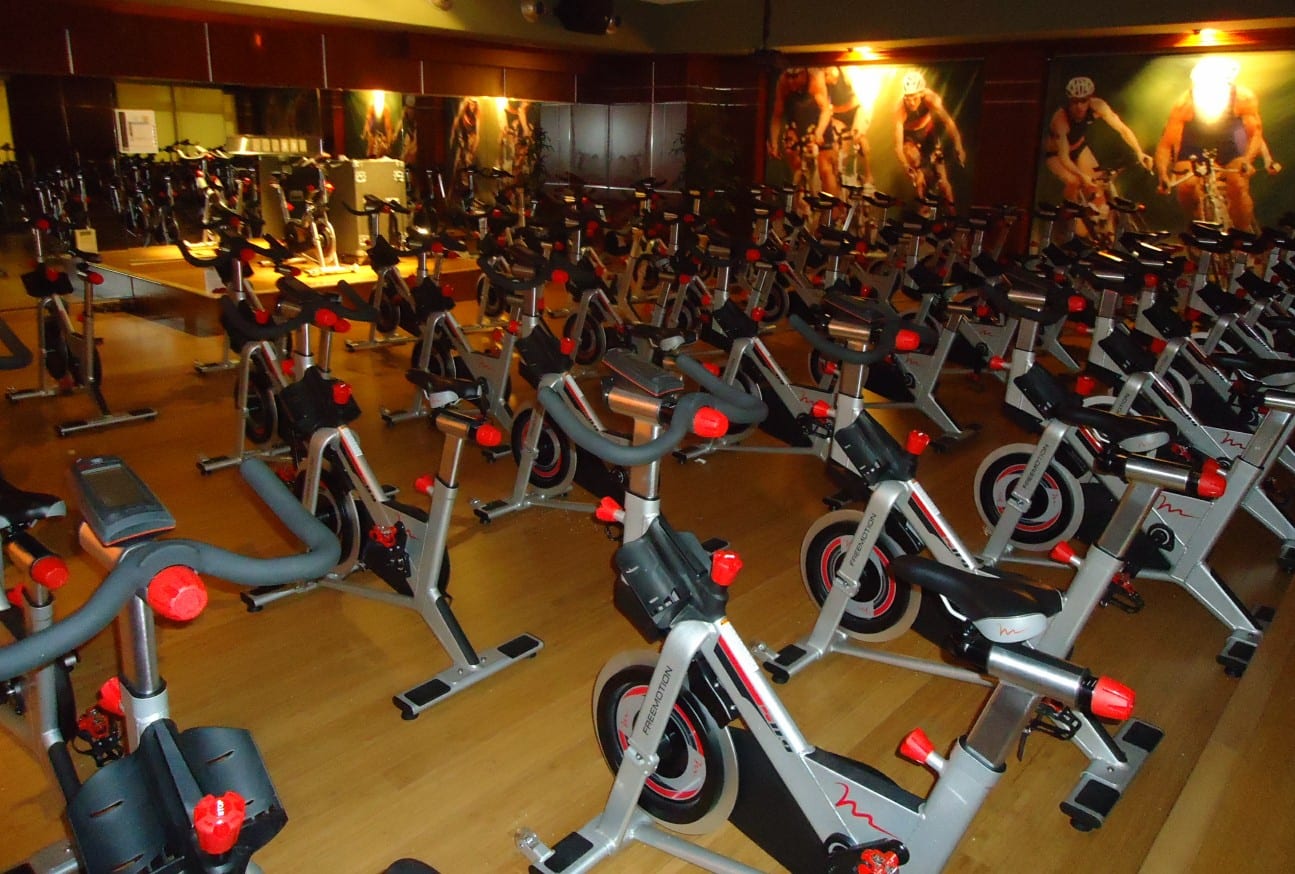
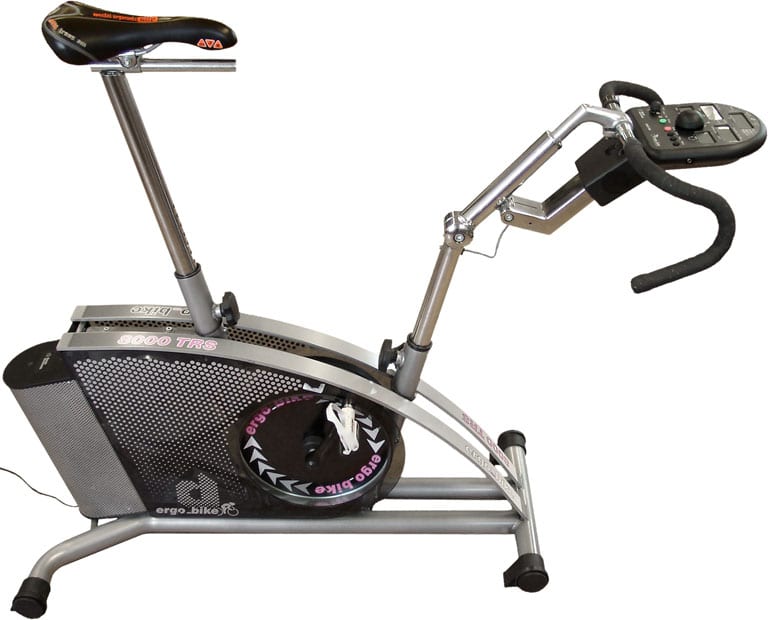
The team, led by Atul Deshmukh at the Novo Nordisk Foundation Center for Basic Metabolic Research, recruited 25 healthy young men, around 29 years old on average. Each rode a stationary bike for 45 minutes at moderate intensity, about 75% of their maximum heart rate.
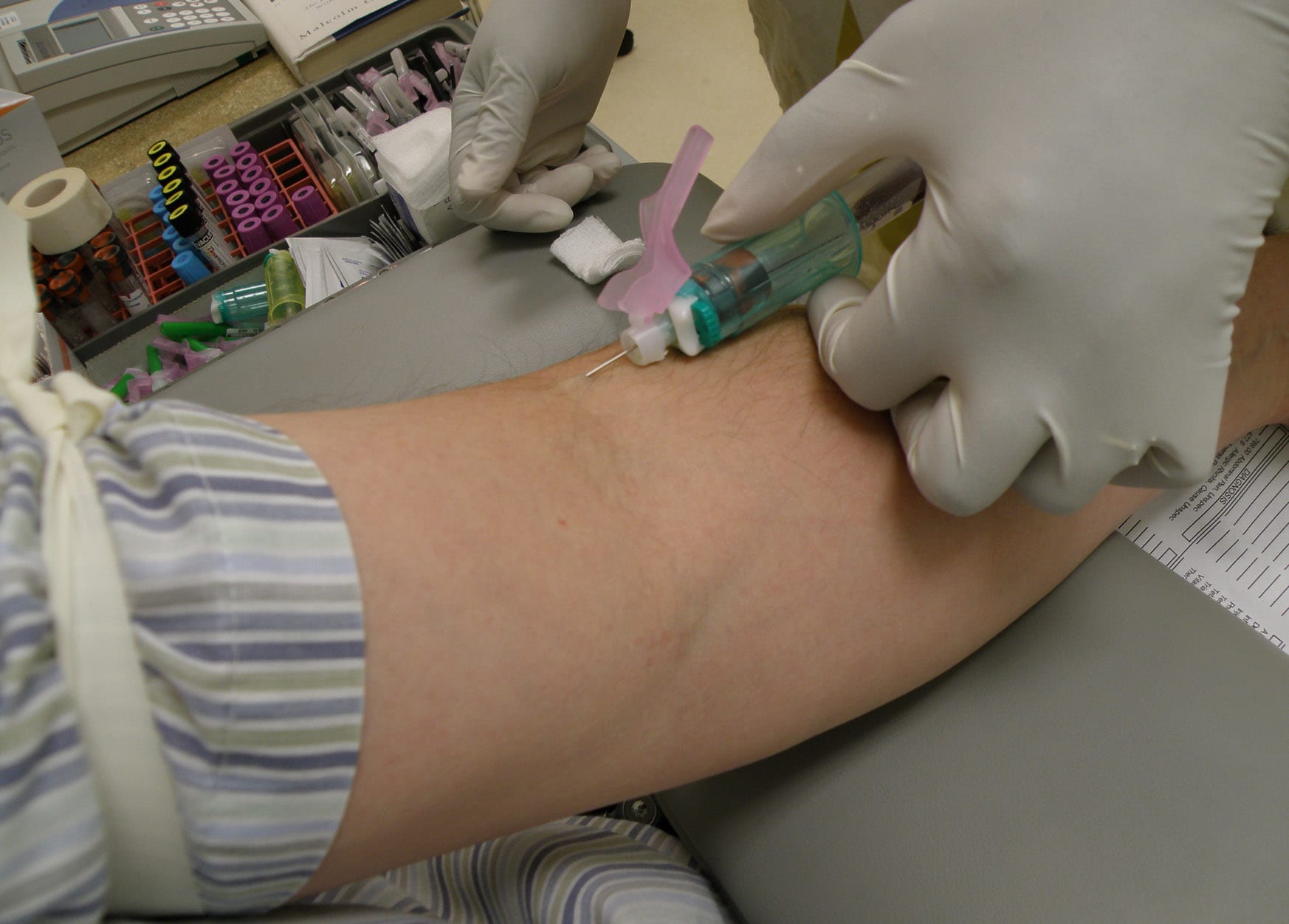
The researchers collected blood, saliva and urine before and at several points after the ride. They measured proteins in saliva and urine with mass spectrometry, and in blood plasma with a large antibody-based panel. In total they measured 10,128 proteins across the three fluids.
What changed
Right after the ride, 3,007 of those proteins, about 30%, were at different levels than before. Each fluid moved on its own timeline, which the authors describe as fluid-specific dynamics. They also saw coordinated changes in protein secretion, the scaffolding between cells and immune activity.
The team then checked the plasma results in an independent group that included women, older adults and other kinds of exercise. About 74% of the immediate plasma responses showed up there too, which suggests a shared core response to a workout rather than something specific to young men on bikes.
From proteins to disease risk
The researchers cross-referenced the proteins that exercise released into the blood with large genetic studies of human disease. Several were linked to cardiometabolic conditions, the group that includes heart disease and type 2 diabetes. For some proteins made in muscle, they tested the effect in fruit flies and found roles in endurance, behaviour and metabolism.
That last step is animal work, and the genetic links are associations. The study doesn't show that any single protein explains why exercise helps, or offer a new test or treatment. What it adds is a detailed public map. The full atlas is open online for other researchers to use.
Where Soma fits
The finding we keep coming back to is timing. A single workout reshaped thousands of proteins, each fluid on its own schedule. A measurement taken an hour after exercise isn't the same as one taken on a rested morning.
That's part of why Soma Axon, which we're still building, is designed around routine: the same pod, light and stance every week, with someone from Soma asking whether you trained before each reading so a hard session gets noted next to the numbers. Soma doesn't measure proteins, and it doesn't diagnose. It's a general wellness product meant to give you a consistent weekly record, each value with its margin of error. The same instrument, every week explains the idea.
Sources, as of October 14, 2026: Kurgan, Kjærgaard, Pedersen, Deshmukh and colleagues, Systemic proteomic dynamics of acute exercise reveal genetic links to health and disease, Nature Metabolism (October 12, 2026); the authors' open exercise proteomics atlas. This post describes research and isn't medical advice.