The heart signal hiding in sleep studies
Overnight sleep studies record the heart all night, and the trace is rarely used. A model trained on those recordings from more than 38,000 patients picked out people at higher 10-year risk of atrial fibrillation, heart failure and death.
Soma Labs3 min read
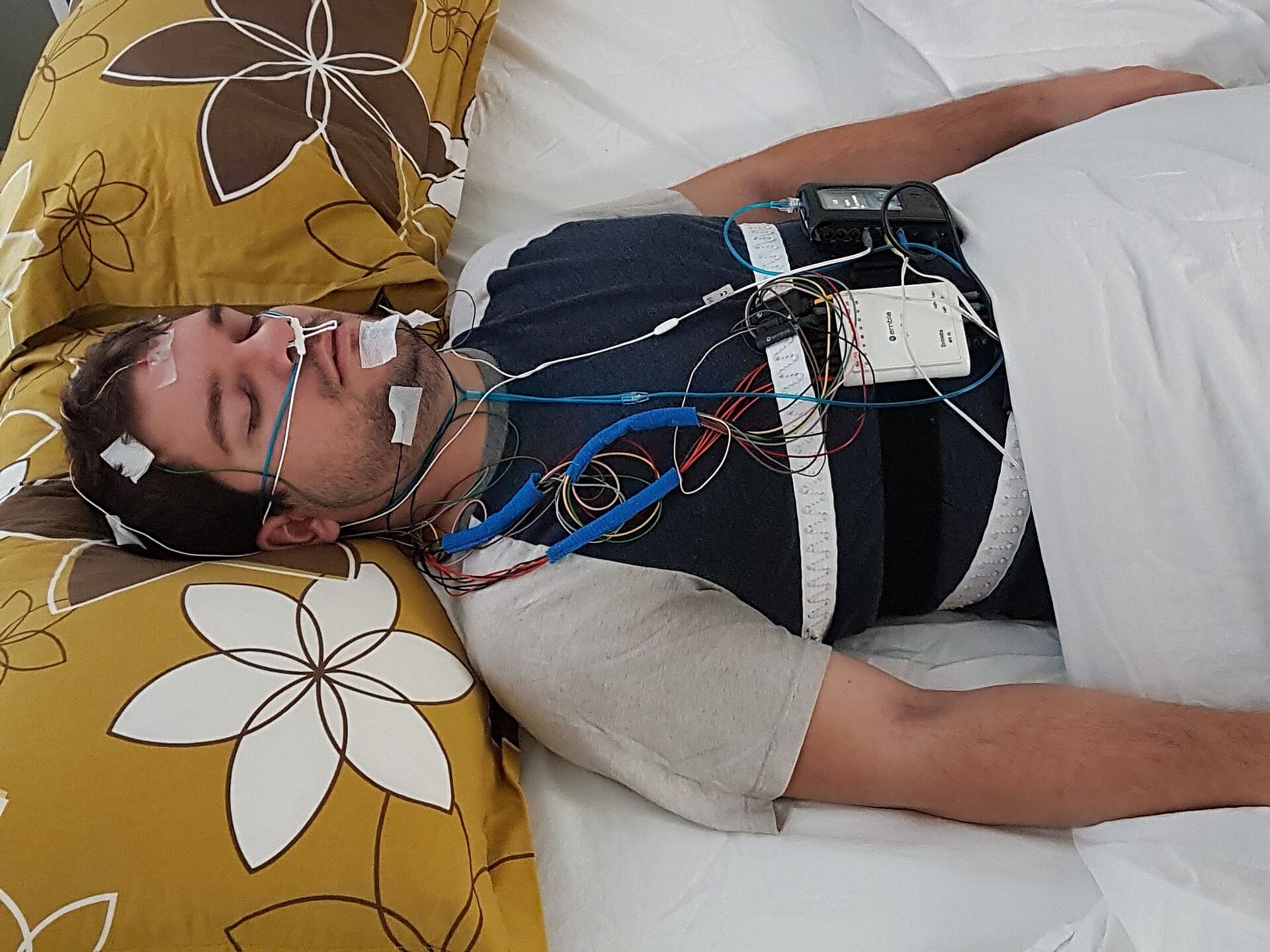
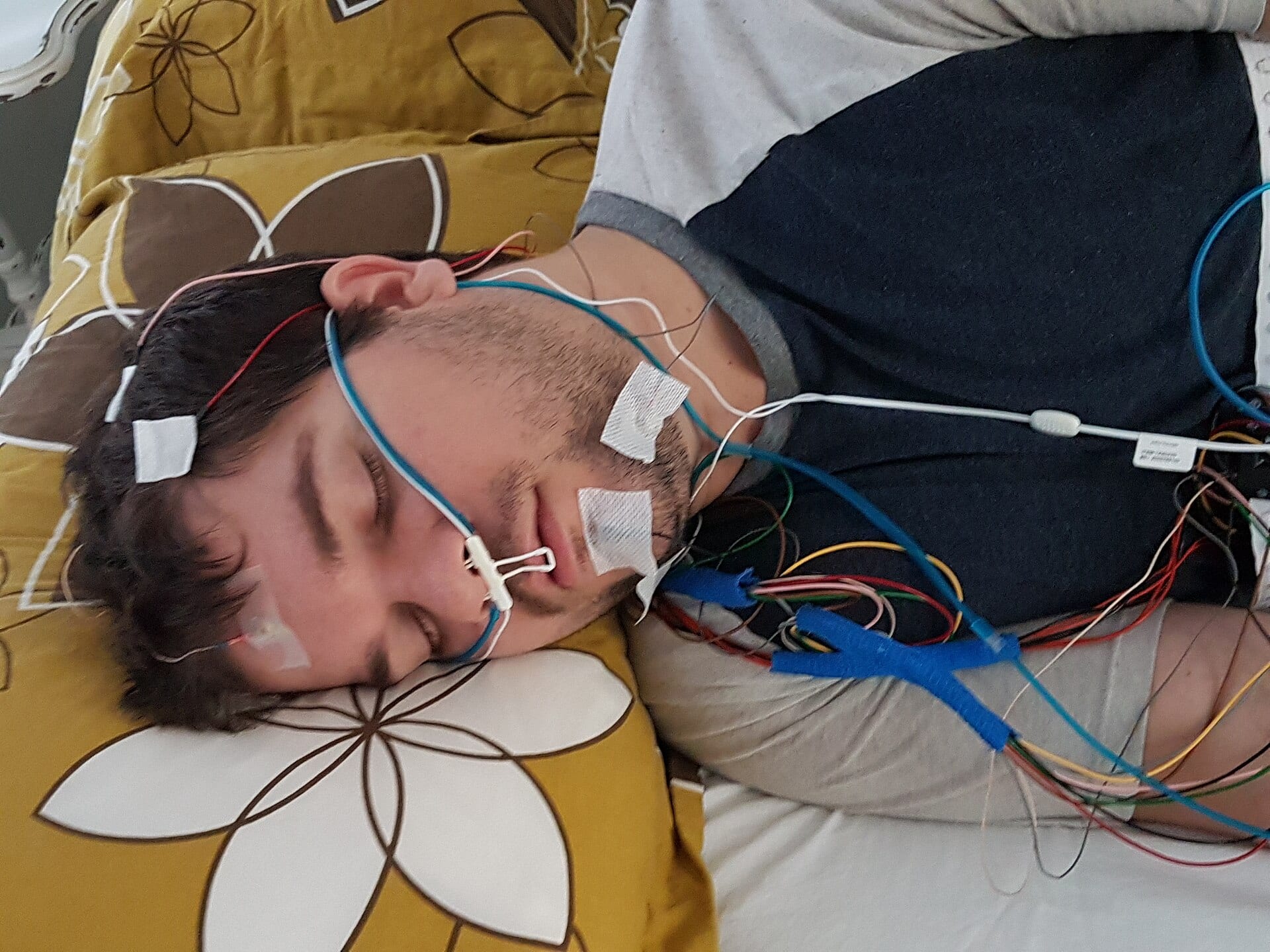
When someone spends a night in a sleep lab, the test records far more than sleep. Sensors follow brain waves, breathing, oxygen and, through a single electrode lead, the heart's electrical rhythm all night long. That heart trace is usually glanced at for problems during the night, then set aside.
A study published on October 9 in the journal SLEEP, supported by the US National Institutes of Health, asks what that overnight trace could say about the years ahead.
What the researchers did
The team, with authors at Emory University School of Medicine and Massachusetts General Hospital among others, took a deep learning model originally built to detect heart rhythm problems. They fine-tuned it on overnight heart recordings and sleep stage data from 15,809 patients at Massachusetts General Hospital.
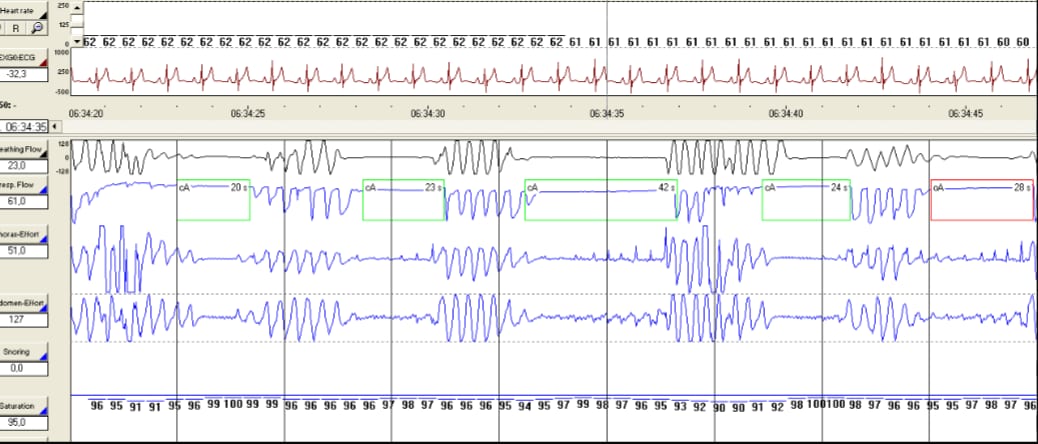
They then tested it on two separate hospitals the model had never seen: 9,810 patients at Emory University Hospital and 12,576 at Beth Israel Deaconess Medical Center. Health records showed who went on to have atrial fibrillation, stroke, heart attack, heart failure or death over 10 years.
What they found
The model's score was strongly linked with long-term risk, even after accounting for age, sex, weight, smoking, high blood pressure, diabetes and sleep measures like apnea severity.
For each step up in the score, the risk of atrial fibrillation roughly doubled at Emory and rose about 2.7 times at Beth Israel Deaconess. Heart failure risk rose about 1.7 and 2.3 times, and death from any cause about 1.8 and 1.65 times. The links for stroke and heart attack were weaker, and for heart attack at one hospital the result wasn't clearly different from no effect. The authors say those two outcomes need more work.
What it doesn't show yet
The study looked back at existing records. It shows the score tracks risk, not that using it would change what happens to anyone. In the NIH's release, David Goff, acting director of the National Heart, Lung, and Blood Institute, said the next step is to check whether it improves on the risk tools doctors already use. Until then it's a research result, not a test you can ask for.
It also only covers people who were sent for a sleep study, a group that isn't the same as the general population.
Where Soma fits
The idea we like here is reusing a signal that's already being recorded. Plenty of data gets collected once and never looked at again, when read carefully and over time it may carry more than the reason it was taken.
Soma doesn't run sleep studies or read heart rhythms, and it doesn't diagnose. Soma Axon, the pod we're still building, is meant to take the same readings the same way every week, so each new visit adds to a record you can compare against your own baseline, with every value's margin of error shown. The same instrument, every week explains why.
Sources, as of October 14, 2026: Koscova, Clifford and colleagues, Prediction of cardiovascular outcomes using electrocardiography from overnight polysomnography, SLEEP (October 9, 2026); National Institutes of Health, Deep learning model using ECGs during sleep studies can predict cardiovascular outcomes. This post describes research and isn't medical advice.