Fitbit Edge brings blood pressure trends to a $180 band
Google's new tracker puts blood pressure and insulin resistance trends on a slim band with a screen. What it measures, what Google says those trends are not, and where a weekly reading fits.
Soma Labs3 min read
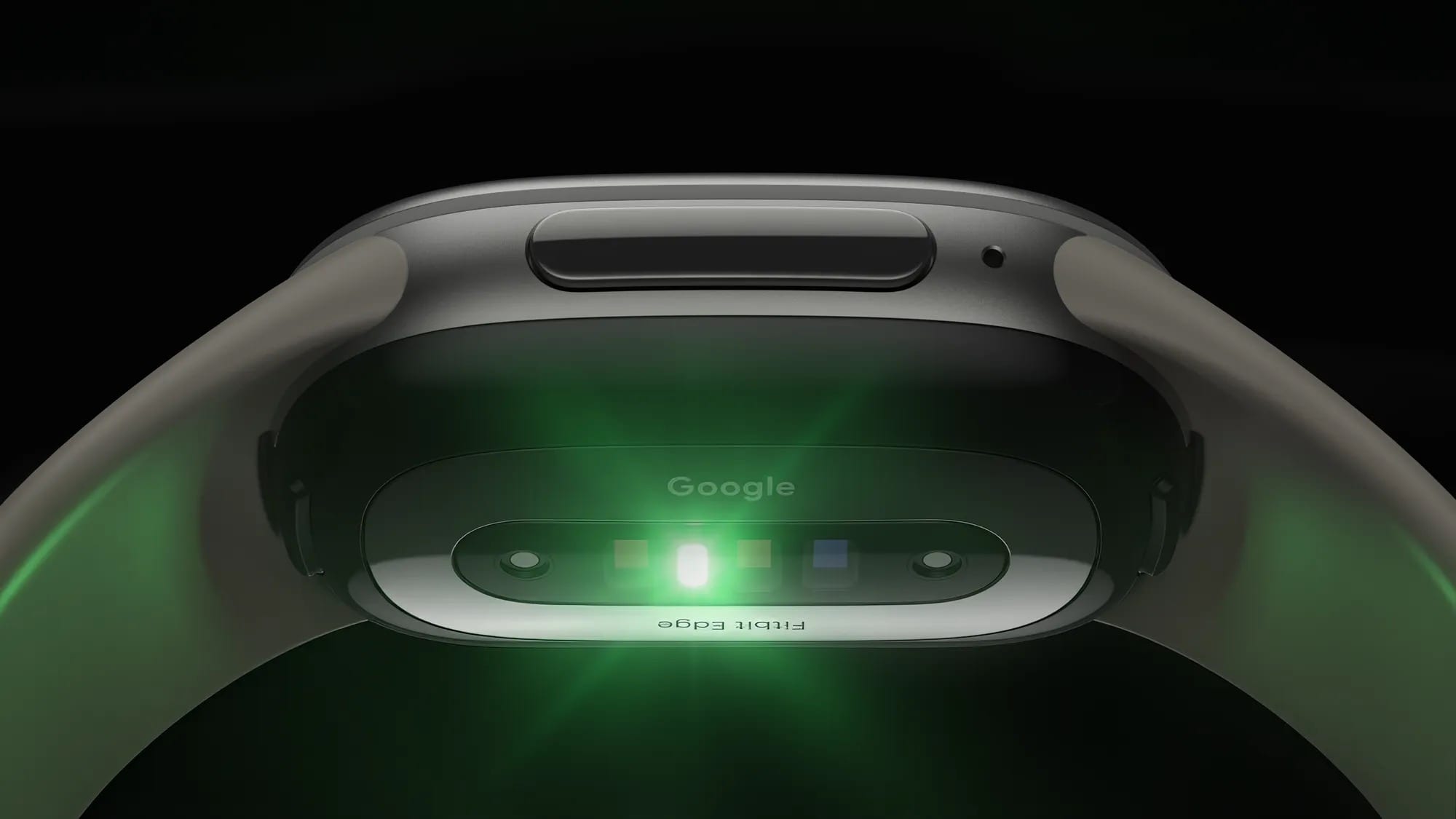
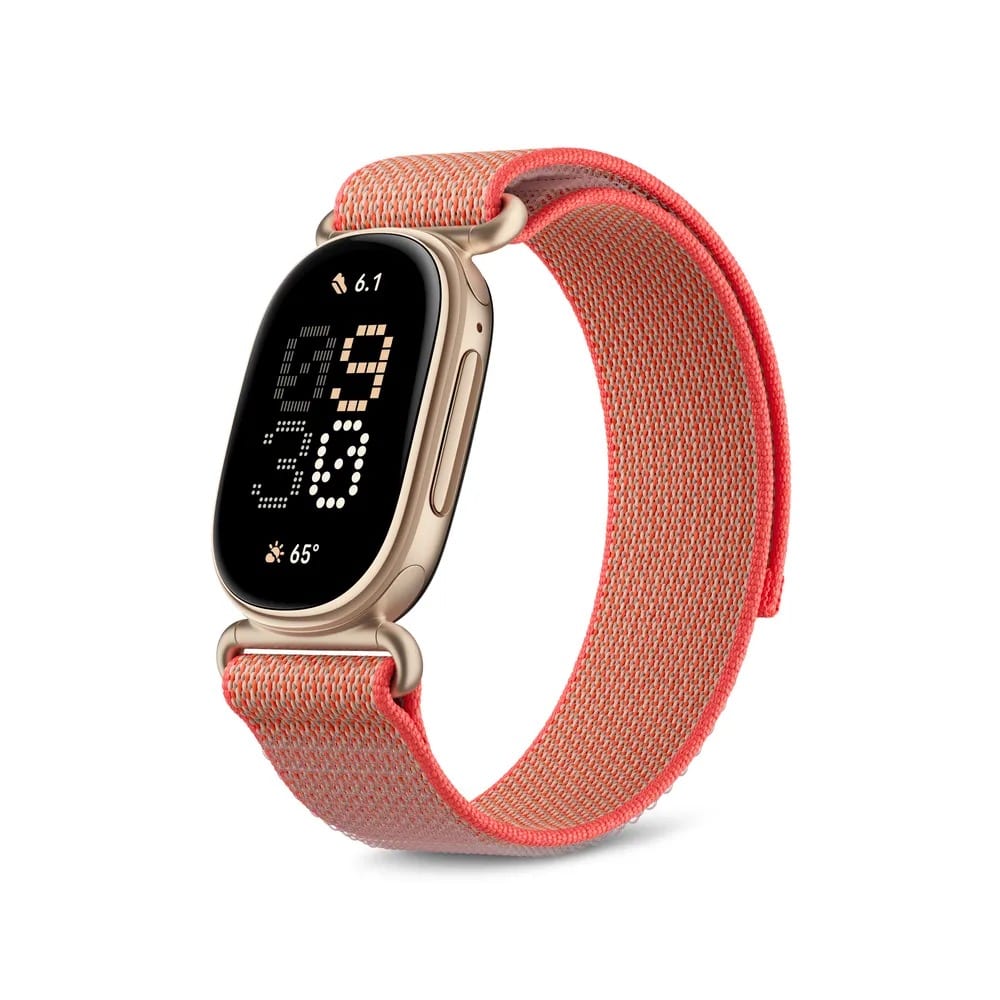
On October 12, Google announced the Fitbit Edge, a fitness band with a screen that sits between the screenless Fitbit Air and the Pixel Watch 5. It costs $179.99, is available to preorder now and reaches stores on October 27. Buyers get three months of Google Health Premium.
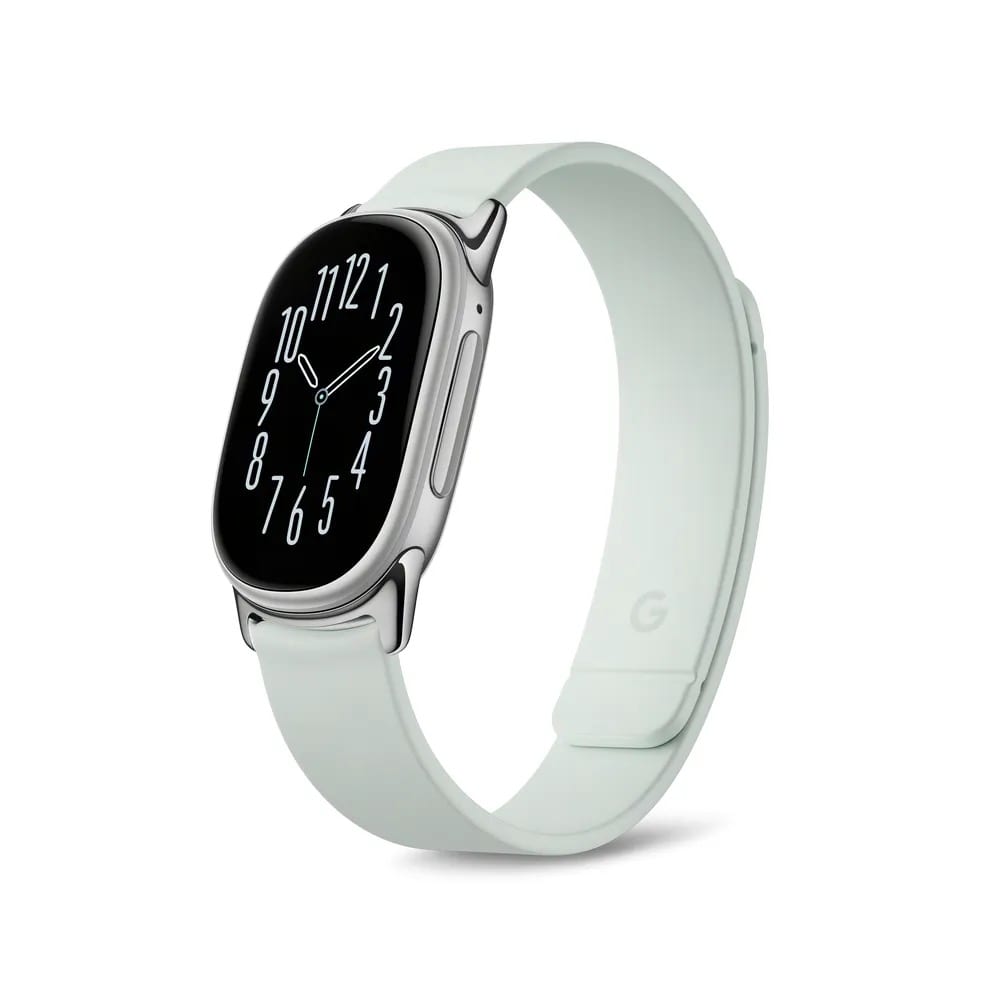
The hardware is a familiar mix, done carefully. The more interesting part is the software it ships with, and the way Google describes it.
What's on the band
According to Google, the Edge has continuous optical heart rate, an on-wrist ECG app for heart rhythm checks, a skin temperature sensor that follows nightly changes, built-in GPS and an altimeter. Sleep stages and heart rate variability feed a morning recovery score. Google says the GPS is up to 40% more accurate than on its previous trackers, and that the band can recognize up to 100 kinds of workouts on its own.
Battery life is rated at up to seven days in Battery Saver mode, based on Google's tests with pre-production units. The battery is replaceable, a first for a Fitbit tracker. The Verge notes there's no NFC for payments and no microphone.
The trends, and what they're not
The Edge comes with a feature Google calls Health Guardian, first announced with the Pixel Watch 5 in August. It follows shifts in blood pressure and insulin resistance over time and sends alerts for unusually high or low heart rate.
Google's own fine print is unusually specific about the limits. It says these features are for general wellness and information only and aren't meant to diagnose, treat or prevent any condition. It says the blood pressure and insulin resistance trends are not a prescreener for hypertension or diabetes, don't give real-time clinical readings, shouldn't be used to adjust medication and shouldn't be used during pregnancy. The ECG app is limited to some countries and isn't intended for people under 22.
That wording lines up with the FDA's general wellness guidance from January, which lets a wearable estimate values like blood pressure as long as it doesn't steer medical care. Apple Watch vs Whoop covers how blood pressure features on wearables got here.
What it means for you
A trend from a wrist sensor can be a useful nudge. It can't replace a cuff reading or a visit, and Google says as much. Optical sensors also depend on fit and movement, which Google notes for heart rate. If a trend keeps pointing the same way, the sensible next step is a proper measurement with a clinician.
The coaching layer is the other thing to weigh. Google Health Coach, built on Gemini, needs the Premium subscription after the free three months, and Google says its responses should be checked and aren't medical advice.
Where Soma fits
Bands like the Edge are good at one thing a weekly visit can't do. They're on you all day and all night, so they see your sleep and daily activity. We think that's valuable.
What they trade away is control over conditions. The reading happens wherever you are, with whatever fit and movement you have at the time. Soma Axon is being designed for the other side of that trade: a closed pod you'll visit once a week, with the same light, cameras and stance each time, so a change from one week to the next is more likely to be a change in you. Soma is a general wellness product and doesn't diagnose. Each value will come with its margin of error, and if something keeps looking off, Soma will suggest you see a clinician. The same instrument, every week explains the idea.
Sources, as of October 12, 2026: Google, Fitbit Edge announcement and footnotes (October 12, 2026); The Verge, The Fitbit Edge is for folks who don't want to go totally screenless; TechCrunch, Fitbit Edge is Google's middle ground between Fitbit Air and Pixel Watch. This post describes a product announcement and isn't medical advice.