High blood pressure in hospital often doesn't go away
A small study from Basel followed patients whose blood pressure read high on the ward without symptoms. Four weeks after they went home, most still had hypertension, and how the pressure was measured made the difference.
Soma Labs3 min read
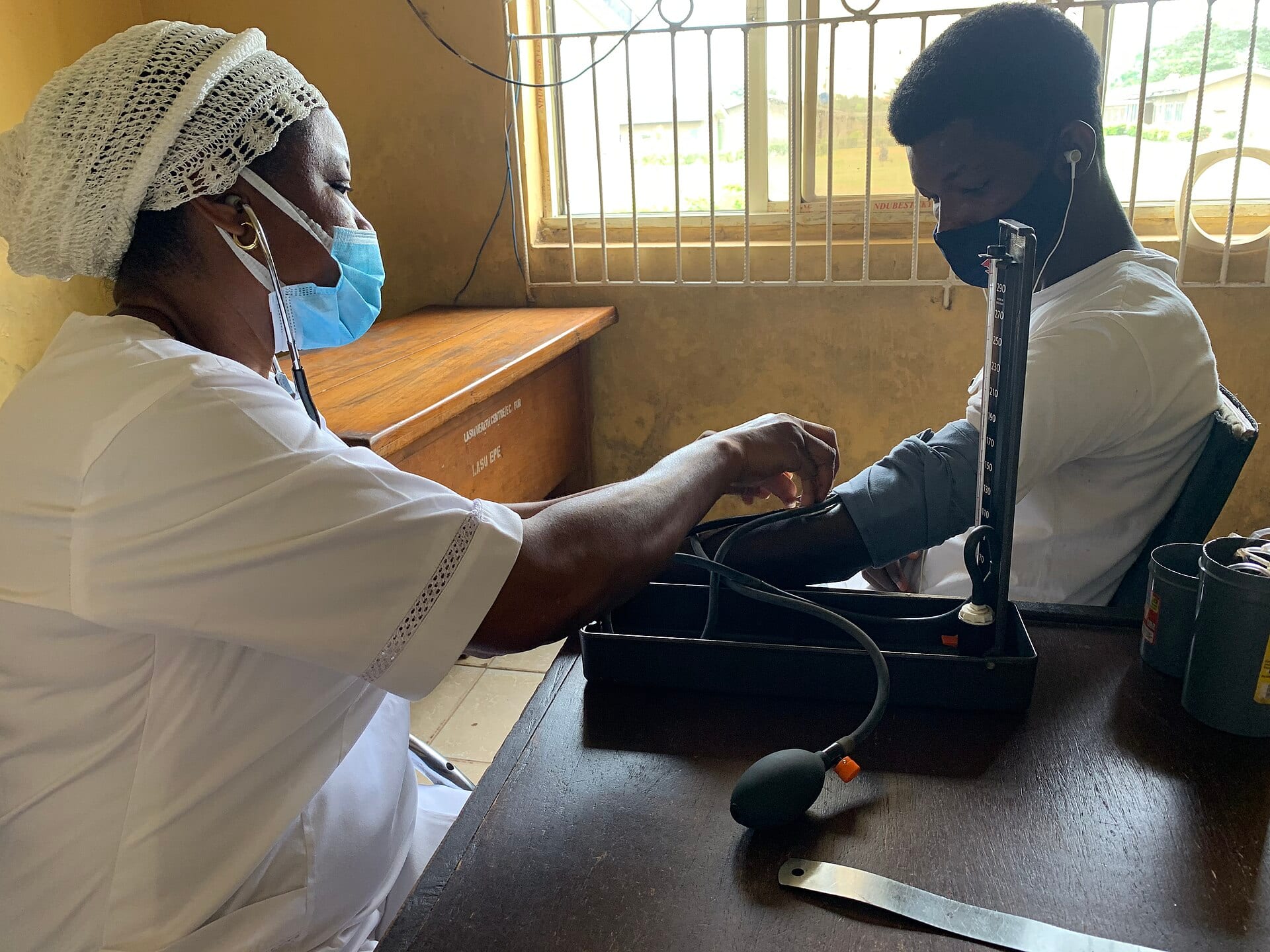
Blood pressure often reads high in hospital. Patients are in pain, anxious, sleeping badly or off their usual routine, so a high number on the ward tends to be put down to the setting and left alone. A preprint posted on October 11 by researchers at University Hospital Basel asks whether that's a safe assumption.
The study hasn't been peer reviewed yet, and it's small. But its design is simple, and its main result is hard to ignore.
What the researchers did
The team enrolled 50 adults admitted for conditions unrelated to the heart. Each had no symptoms from their blood pressure, but routine ward checks had read at least 140 systolic or 90 diastolic on two or more occasions, at least 24 hours apart. The doctors treating them managed blood pressure medication as they normally would. The researchers recorded the routine ward readings, took their own standardized readings and noted any change in medication.
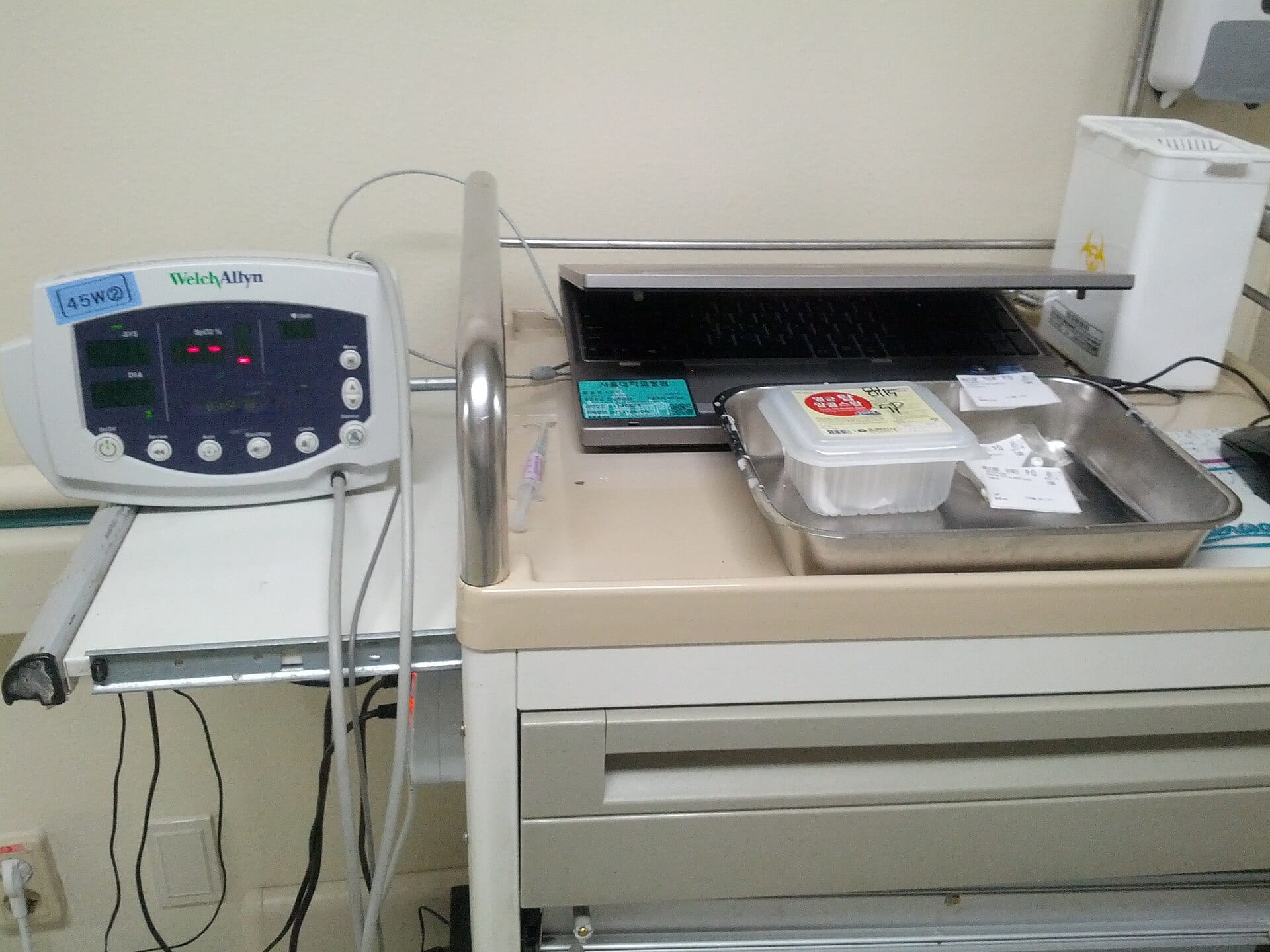
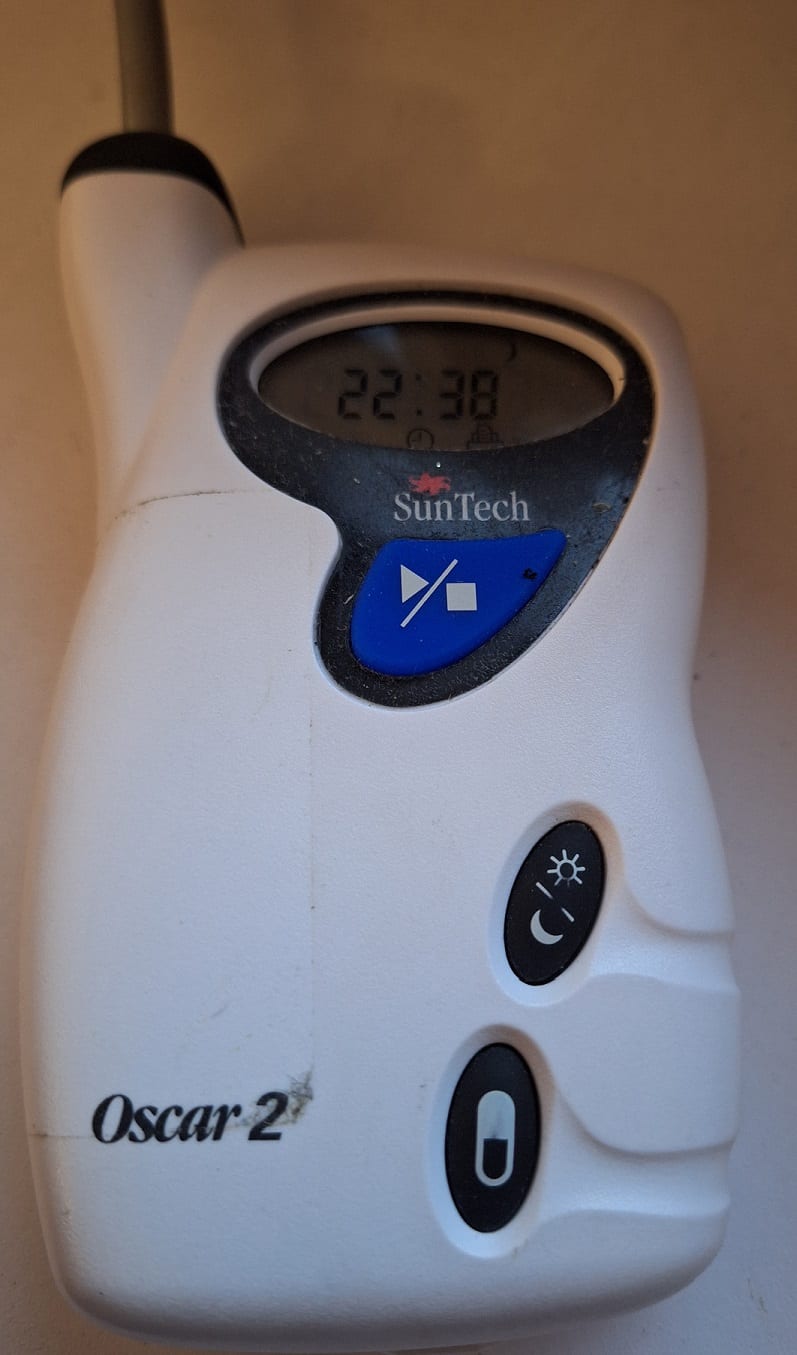
Four weeks after discharge, each participant wore an ambulatory monitor for 24 hours. It takes readings automatically through the day and night, at home, which removes most of the clinic and hospital effects.
What they found
Of the 50 participants, 42 (84%) had hypertension on the 24-hour recording.
Among the 21 people with no known hypertension, 18 turned out to have it, unrecognized until then. Among the 29 who already had a diagnosis, 24 still had blood pressure above target.
During the hospital stay, medication was changed for 26 people, more often reduced than increased. Hypertension at follow-up was common either way: 88.5% of those whose treatment changed, and 79.2% of those whose treatment didn't.
The measurement detail
One finding stood out to us. The researchers' standardized readings in hospital correlated with the 24-hour results after discharge. The routine ward readings didn't. Same patients, same days, different method, and only the careful method pointed toward what was found at home.
The authors conclude that a high reading on the ward shouldn't be assumed to be temporary, and that blood pressure should be checked again in a structured way after discharge. With 50 patients and no peer review yet, it's an early signal rather than a settled answer. If you were told your blood pressure was high during a hospital stay, a follow-up measurement with your clinician is the sensible step.
Where Soma fits
The study is a hospital story, but its lesson is about measurement. A number taken quickly, in whatever conditions happen to be there, can be hard to interpret. The same number taken the same careful way each time becomes useful.
That's the idea behind Soma Axon, which we're designing as a closed pod with the same light, cameras and stance every week. Soma is a general wellness product, it doesn't diagnose and it isn't a substitute for the kind of 24-hour monitoring used in this study. What we want it to give you is a consistent weekly record, with each value's margin of error shown, and a nudge to see a clinician if something keeps looking off. The same instrument, every week explains why we care about this.
Sources, as of October 12, 2026: Hausknecht, Mayr, Breidthardt, Burkard and Vischer, Persistent Hypertension After Asymptomatic Elevated In-Hospital Blood Pressure: The INDEBP Study, medRxiv preprint, not yet peer reviewed (October 11, 2026); the study's registration, NCT06132451. This post describes research and isn't medical advice.