Abu Dhabi and Ultrahuman will build a biological health age model
The Abu Dhabi Public Health Centre has signed a two-year agreement with Ultrahuman to develop and validate a health age model that mixes clinical biomarkers with wearable data. What's known, what isn't yet, and how it compares with our approach.
Soma Labs3 min read

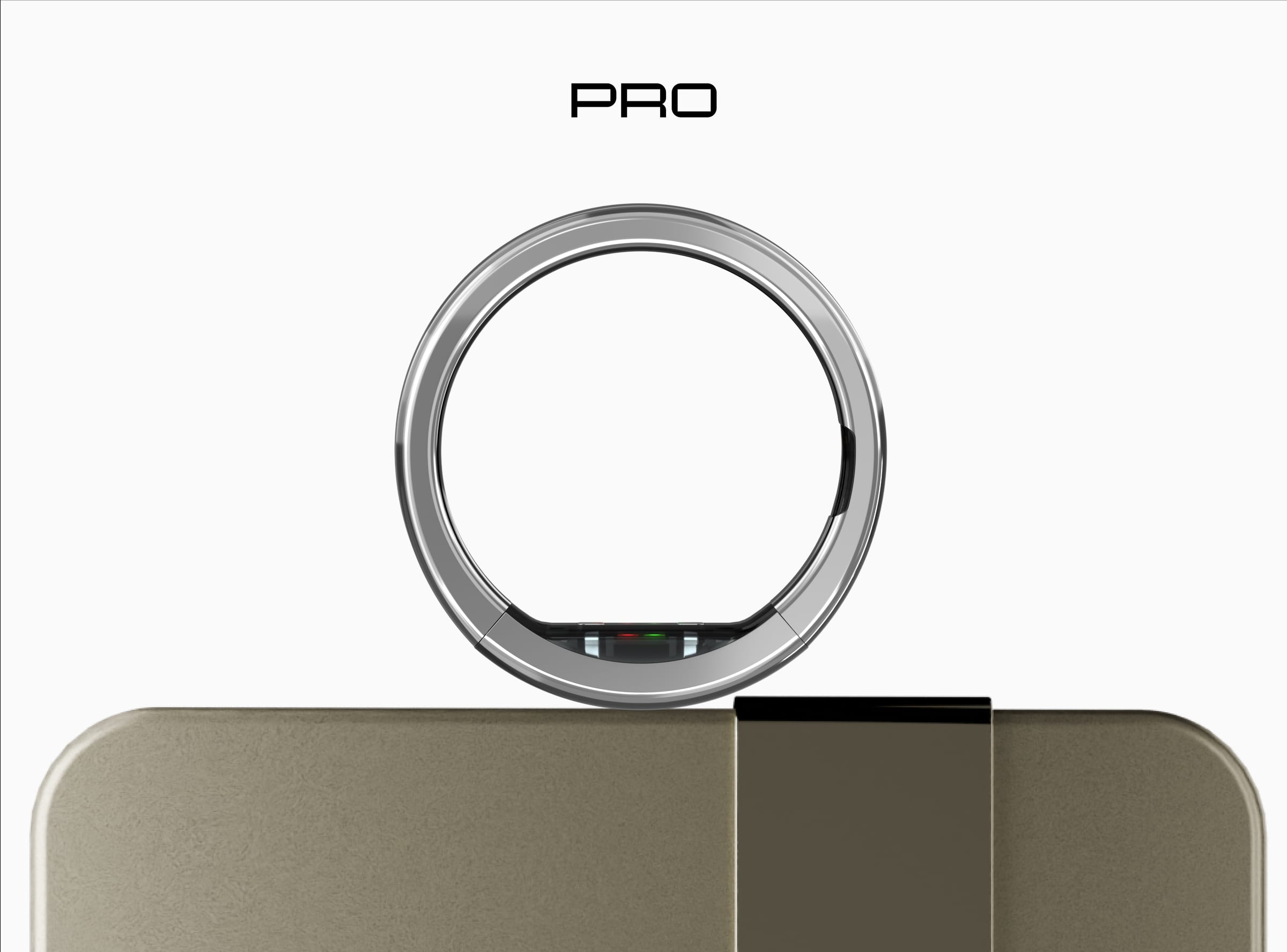
On October 12, Ultrahuman announced that the Abu Dhabi Public Health Centre (ADPHC) has signed a memorandum of understanding with the smart ring maker. The goal is to develop and validate what both sides call a Biological Health Age model, combining clinical biomarker data with data from wearables.
It's the second deal of this kind in Abu Dhabi this year. In May, the emirate's Department of Health announced a research programme with Oura, Ultrahuman's main rival, starting with women's health.
What the agreement covers
According to Ultrahuman's release, the agreement sets up a two-year framework for joint research, clinical validation and the responsible use of health data. Both organizations commit to keeping all data within the emirate, under confidentiality, governance and privacy rules. The memorandum was signed by Dr Faisal Al Ahbabi, Executive Director of Communicable Diseases at ADPHC, and Mohit Kumar, Ultrahuman's founder and chief executive.
The release frames the model as a way to help people understand how factors like cardiovascular health, sleep, metabolism and recovery shape their long-term health. TechCrunch adds detail from an interview with Kumar. The model starts from Ultrahuman's existing data, pairing chronological age with wearable signals and, for some users, blood test markers. It will be run on UAE data rather than trained on it, without access to personally identifiable information. People would eventually see their health age through the government platforms TAMM and Sahatna, in phases, with no timeline beyond the two years of research and validation.
What isn't known yet
Neither the release nor the interview names the biomarkers involved, the wearable signals used or how the model's output will be checked against outcomes. Clinical validation is the stated purpose of the next two years, so those answers should come later.
That matters because a biological age is only as meaningful as what goes into it. Two models fed different signals can give the same person different ages, and respond differently when that person changes a habit.
Real-world data versus controlled data
The deal fits a bet Ultrahuman has been making openly. In September it launched Pulsomics, an opt-in research programme in its app that collects overnight pulse data from ring users, along with details like age, skin tone and, for some, blood panels or VO2 max tests. Its head of science, Dr Vinayak Narasimhan, described the clinic's control over conditions as exactly the limitation the programme lets them avoid.
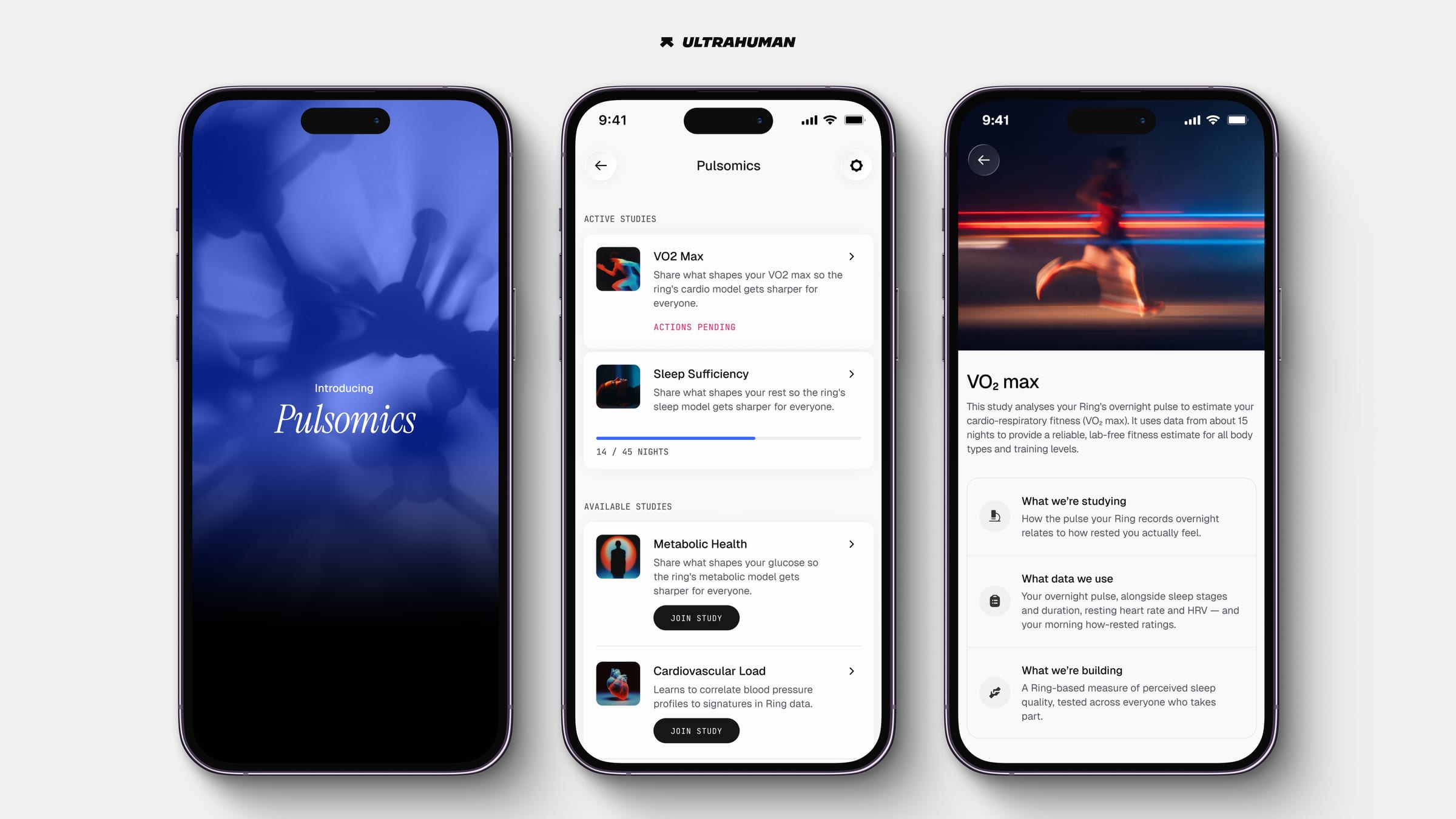
Ultrahuman describes Pulsomics as wellness research, not a medical test, and says participants get no diagnosis or personal result from it.
Where Soma fits
There's a real argument for huge, messy, real-world datasets. They cover more people, more skin tones and more ordinary nights than any lab can. For building a model across a population, that's a strength.
For following one person over time, we lean the other way. Soma Axon is being designed as a closed pod you'll visit once a week, with the same light, cameras and stance each time, so a change from one week to the next is more likely to be a change in you. The two approaches answer different questions, and we think both have a place. Soma is a general wellness product and doesn't diagnose. Each value it shows will come with its margin of error. The same instrument, every week explains the idea.
Sources, as of October 12, 2026: Ultrahuman, Abu Dhabi Public Health Centre partners with Ultrahuman to develop Biological Health Age model and Ultrahuman launches Pulsomics (September 1, 2026); TechCrunch, Smart ring maker Ultrahuman to roll out biological-age model across UAE; Department of Health Abu Dhabi, DoH and Oura partner to advance preventive health in Abu Dhabi. This post describes an announcement and isn't medical advice.