How older adults move at midday may track how their thinking changes
A Johns Hopkins study of 811 older adults found that people whose thinking declined more slowly moved more, and more variably, in the middle of the day. Even a two-hour window carried much of the signal.
Soma Labs3 min read
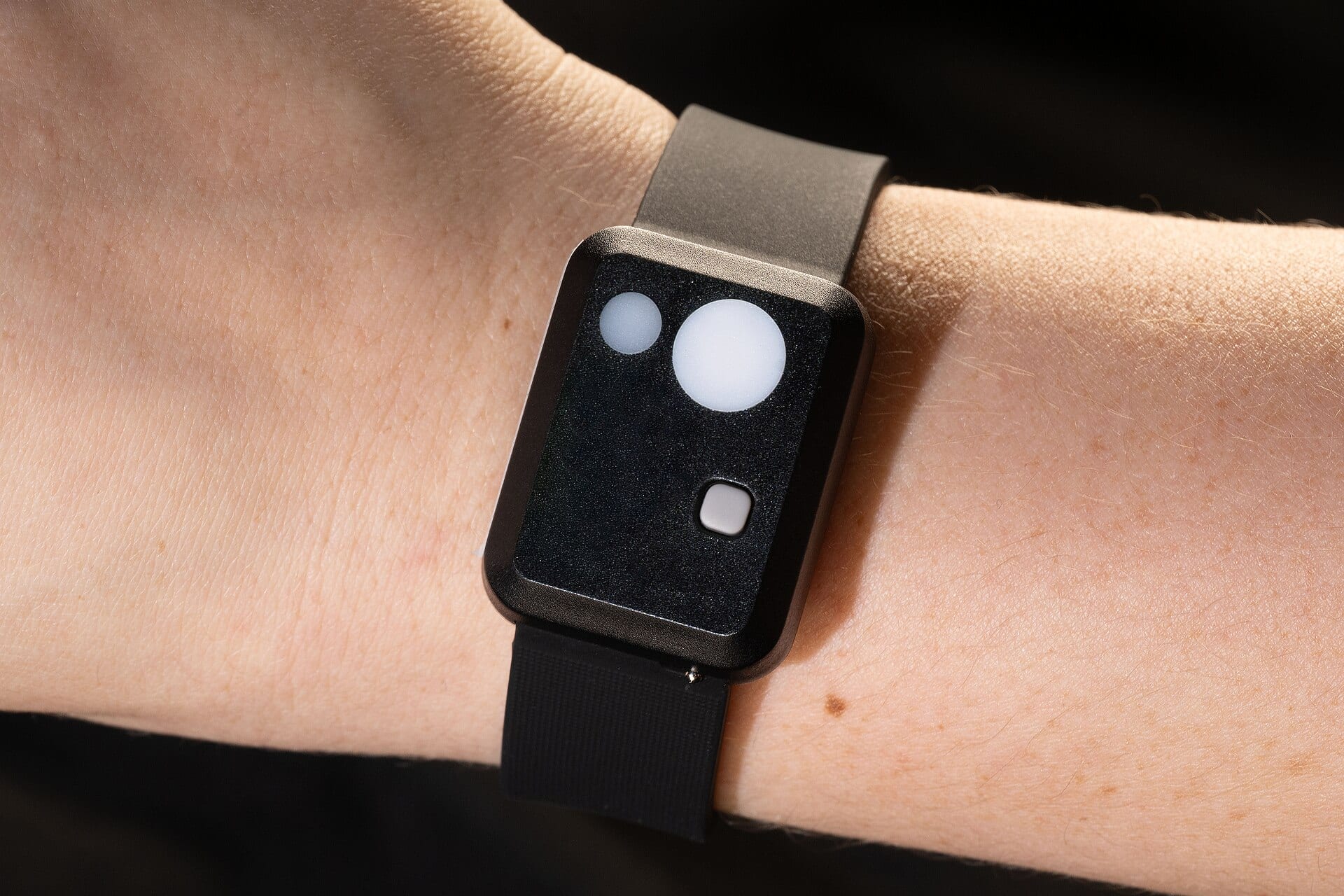
Activity trackers usually report totals: steps per day, minutes active, hours sitting. A study published on October 15 in npj Digital Medicine looks instead at when in the day people move, and how that relates to changes in thinking that happened years earlier.
The researchers, from Johns Hopkins University with colleagues at Rutgers and the University of North Carolina, used data from the long-running Atherosclerosis Risk in Communities (ARIC) study in the United States.
What they did
The team started with participants who had no cognitive impairment. They modeled how each person's thinking changed over time, both overall and in specific areas like memory, language and executive function, the skills used to plan, focus and switch between tasks.

A median of 8.2 years later, 811 of these participants wore an accelerometer, a small motion sensor, to record their activity through the day. Their average age at the start was 73.
What they found
People whose thinking had declined more slowly tended to have healthier activity patterns in the middle of the day, roughly 10 a.m. to 3 p.m. They moved more, sat less, had fewer breaks in their active periods and showed more variety in how they moved.
Two details stand out. First, a window as short as 11 a.m. to 1 p.m. was about as informative as the full 24 hours. Second, how variable a person's activity was showed stronger links with cognitive change than the other measures did.
The areas of thinking differed. Executive function showed the strongest links, across the longest part of the day. For memory, the link peaked in the late morning, between about 10:30 and 11:30. Language showed a less straightforward pattern.

What it means, and what it doesn't
The direction matters here. The study links earlier changes in thinking with later movement patterns, so it doesn't show that walking at midday protects the brain. It suggests the opposite question: whether everyday activity patterns could serve as an early, passive sign that something is changing, before clinical impairment appears. The authors frame it that way too.
It's an association in one cohort of older Americans, and activity was recorded once rather than tracked over years. Anyone worried about memory or thinking should talk to a clinician. A tracker can't tell you that.
Where Soma fits
The finding we take from this is about patterns over totals. Two people with the same daily step count can move in very different ways, and the shape of a day may carry information a single total hides.
Soma doesn't measure cognition or track activity through the day, and it doesn't diagnose. Soma Axon, the pod we're still building, is meant to take the same readings in the same conditions once a week, so that changes over months show up against your own baseline, each value with its margin of error. The same instrument, every week explains the idea.
Sources, as of October 15, 2026: Gao, Crainiceanu, Palta and colleagues, Characterizing time-of-day physical activity patterns across cognitive trajectories in older adults: a longitudinal cohort study, npj Digital Medicine (October 15, 2026). This post describes research and isn't medical advice.