Sleep trackers may finally speak the same language
The World Sleep Society has published a specification that defines what core sleep measures mean when wearables share them, from total sleep time to regularity. Device makers keep their own sensors and algorithms; the numbers they export would mean the same thing.
Soma Labs3 min read
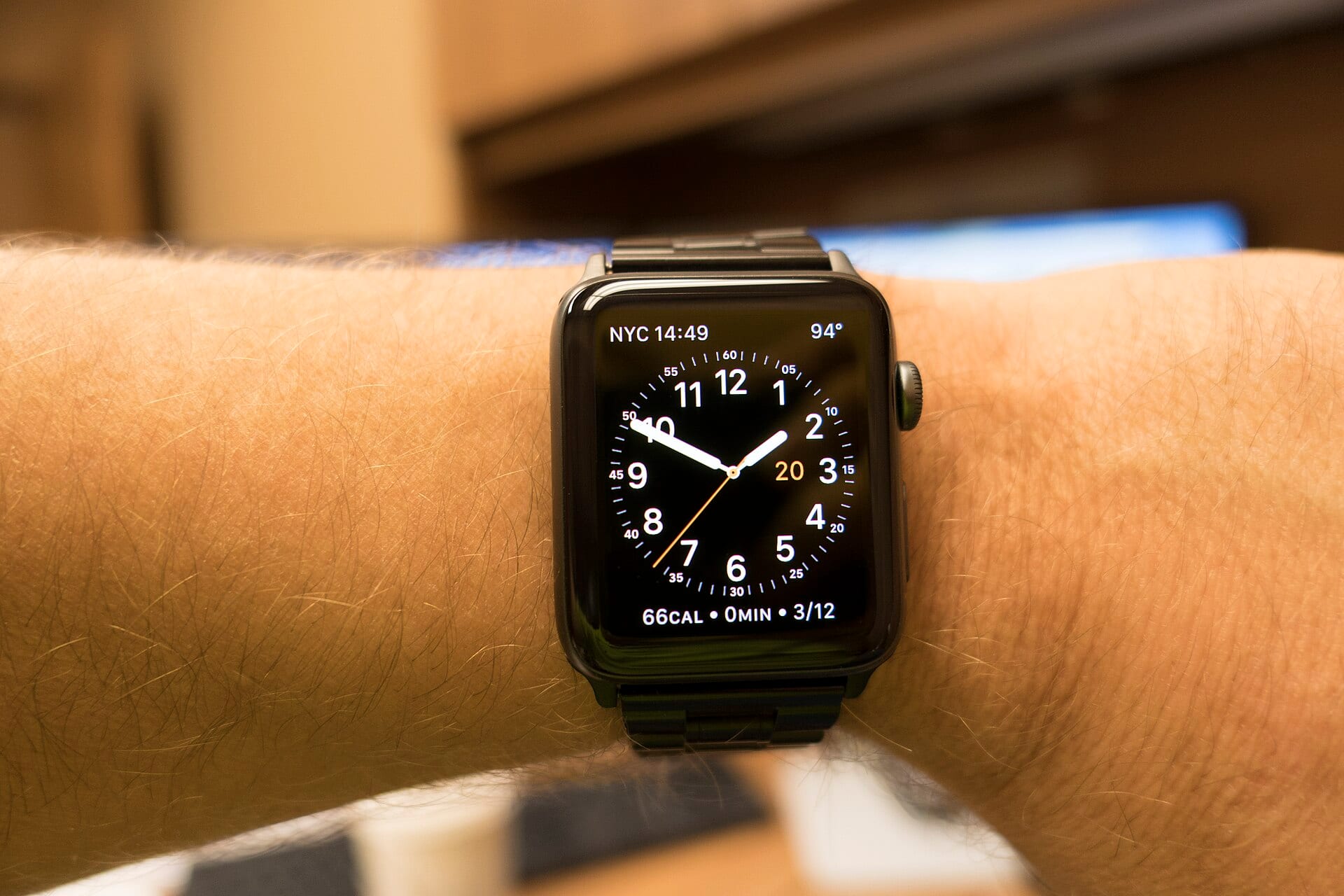
Two devices can both report "total sleep time" and mean different things by it. One might count from when you lay down, another from when it decided you fell asleep, and each handles gaps in the data its own way. On October 13, the World Sleep Society published a specification meant to fix that, in the journal Sleep Medicine.
What the specification does
The Fundamental Sleep Measures Specification was written by a 16-member international team of sleep scientists, engineers and industry experts, led by Professor Michael Chee of the Centre for Sleep and Cognition at the National University of Singapore. According to the society, scientists from five competing companies took part.
It sets common definitions and data rules for a core set of sleep measures: when sleep starts and ends, the main sleep period, sleep duration, time awake after falling asleep, sleep regularity, 24-hour sleep including naps, and how satisfied a person feels with their sleep. It also sets explicit rules for missing or uncertain data.
What it doesn't do
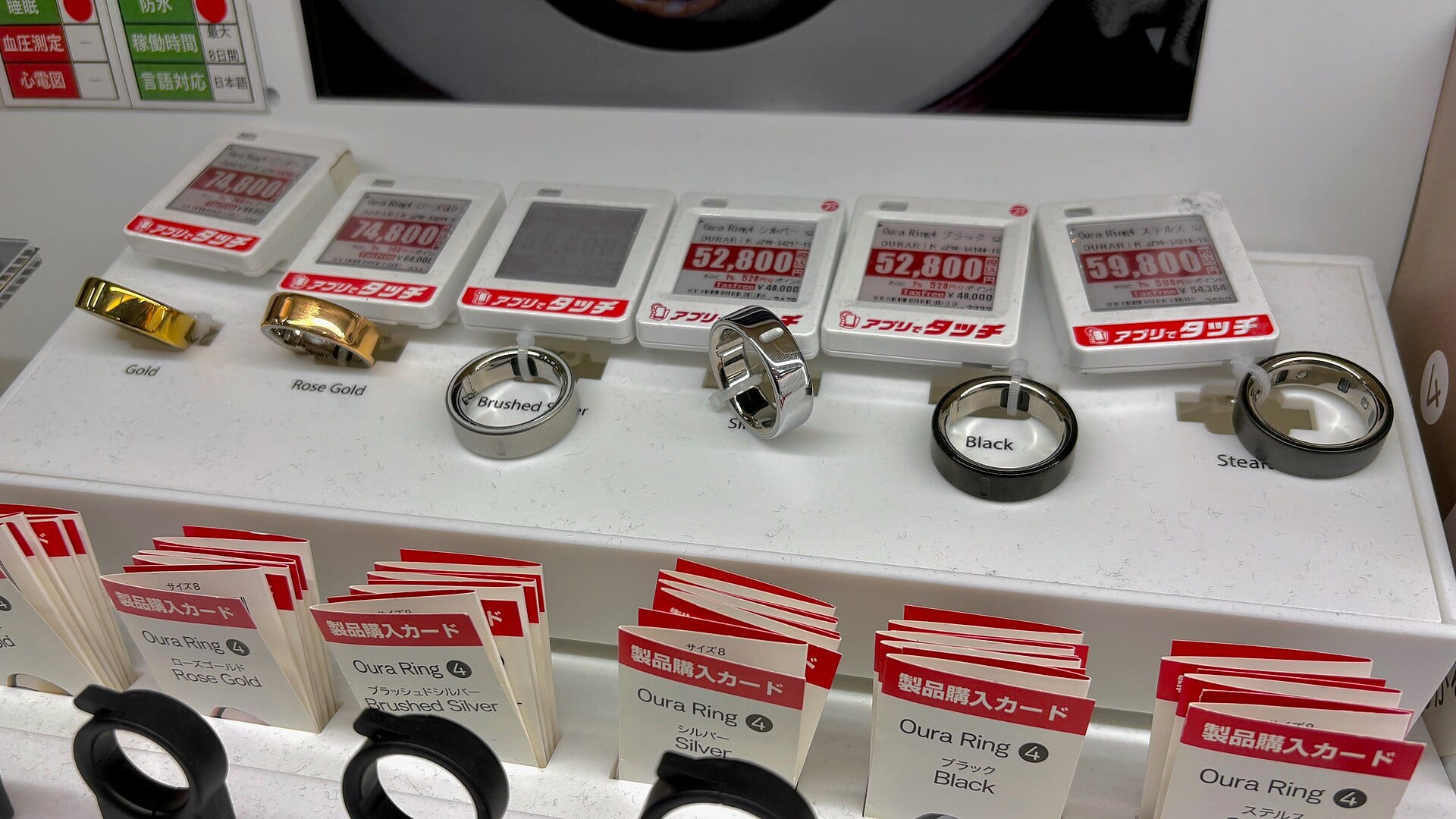
The specification doesn't tell companies which sensors to use, how to build or publish their algorithms, how to classify sleep stages or what to show in their apps. It standardizes what a measure means when it's exported for research, public health or medical records. Makers can keep competing on hardware and design.
It also deliberately leaves out proprietary scores, like a "deep sleep score", whose definitions vary between devices, and focuses on measures people can act on, such as how much time they give themselves to sleep and how regular their schedule is.
Small details that matter
Some of the choices are about precise wording. The specification separates the decision to try to sleep from the moment the body actually falls asleep, and requires the two to be recorded separately. Where a wearable can't tell whether someone was in bed trying to sleep, it recommends reporting a "sleep percentage" instead of the familiar "sleep efficiency".
The data also has to carry context: where it came from, its quality, and the time boundaries it covers. Chee's summary of the goal in the society's release: "Standardisation is what can turn those observations into information."
Where Soma fits
We think this is the right direction for the whole category. A number is only useful when you know exactly what it means and how it was produced, and when it means the same thing tomorrow as it did today.
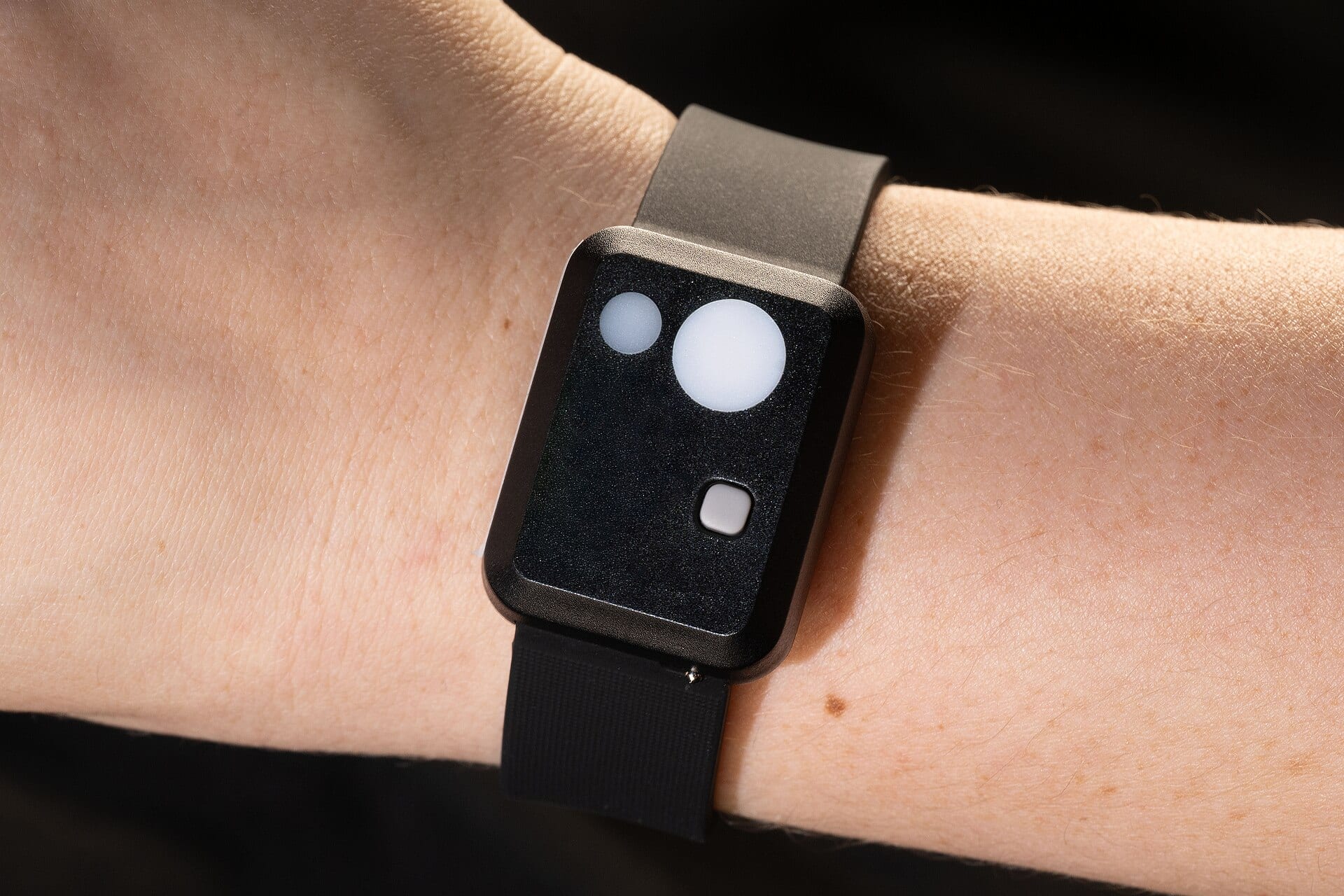
That's the same principle behind Soma Axon, the pod we're still building. Soma doesn't track sleep, and it's a general wellness product, not a medical device. What we want it to do is take the same readings the same way every week, with clear definitions and each value's margin of error shown, so your own record stays comparable over time. The same instrument, every week explains the idea.
Sources, as of October 18, 2026: Chee, Baumert, Drummond and colleagues, Standardizing wearable sleep data for clinical, research, and public health use: A World Sleep Society specification, Sleep Medicine (October 13, 2026); World Sleep Society, WSS Publishes Specification for Consumer Wearable Sleep Data and its release via PRWeb (October 13, 2026).