A wristband and a bedside radar agreed on sleep time, not on much else
A six-week home study in DIGITAL HEALTH put a wrist-worn wearable and a radar-based bedside device on the same 34 people. They matched closely on total sleep, and drifted apart on wake time and sleep stages.
Soma Labs3 min read
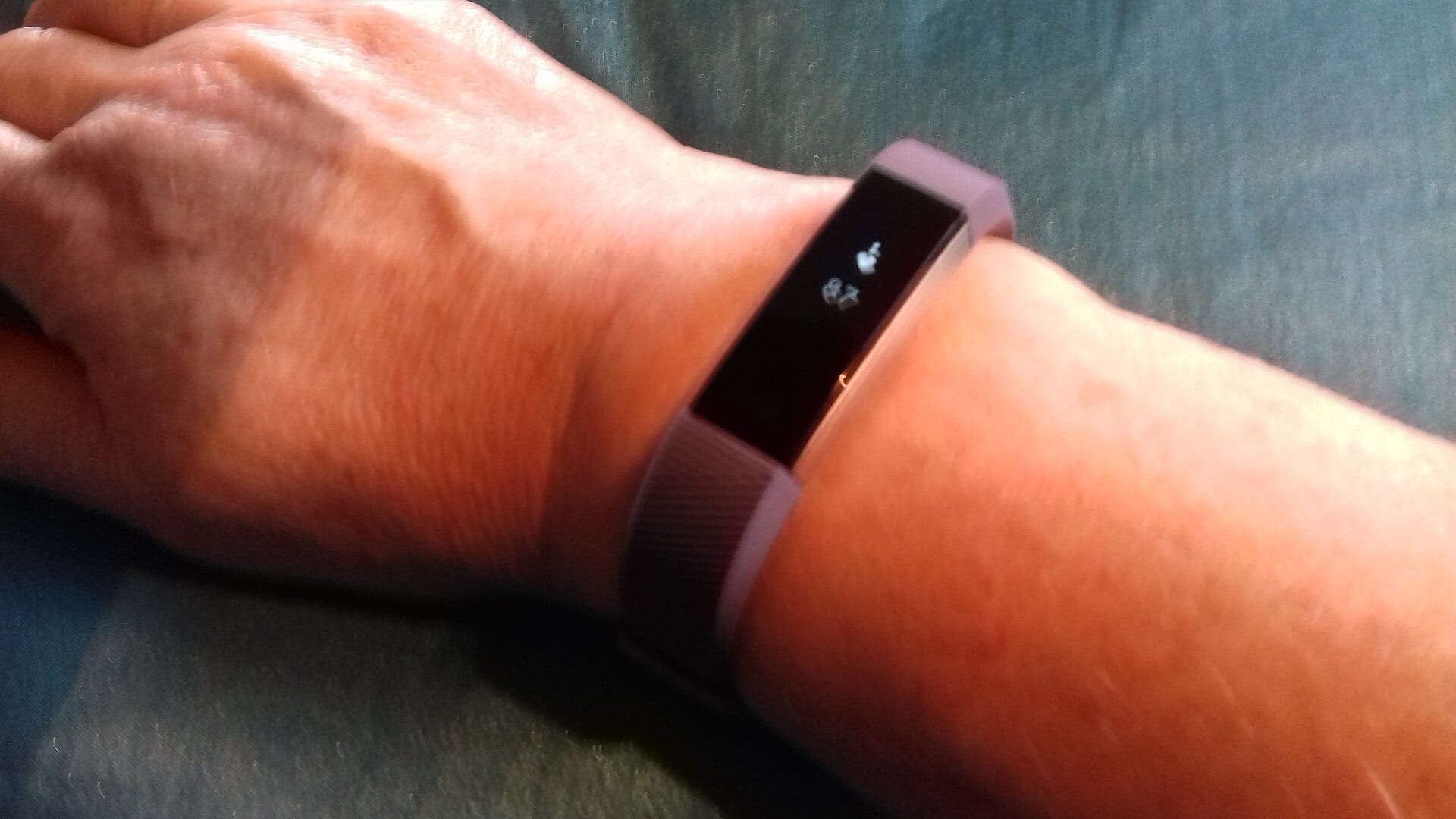
Most sleep numbers people see each morning come from one device, read one way. A study published in DIGITAL HEALTH on October 20 asked what happens when two different kinds of device watch the same nights. The short answer: they mostly agree on how long you slept, and much less on what happened in between.
Two devices, same nights
The team, Boysen, Færevik, Ose and Eitzen, gave 34 working adults two devices at once. One was a wrist-worn wearable. The other was a "nearable", a radar-based device that sits near the bed and needs nothing on the body. The group had a mean age of 45.3.
People used both at home for up to six weeks. That produced 620 matched nights and more than 500,000 sleep epochs, the 30-second slices that sleep scoring works in. The authors compared the two on total sleep time, time awake after first falling asleep, and how each device sorted the night into stages.
Neither device was compared against a sleep lab here. The study is about whether the two agree with each other, which is the question you face if you switch devices or combine data from both.
Where they matched
On total sleep time, agreement was excellent, with an intraclass correlation of 0.91. On average, the wearable came in just 3.8 minutes lower than the radar.
The average hides a wide spread on single nights, though. The limits of agreement ran from 74 minutes under to 67 minutes over, a band of about 140 minutes. So across a group, the two tell the same story. For one person on one night, they can differ by more than an hour.
Simple sleep versus wake, scored slice by slice, also agreed well, at 0.78 on the measure the authors used.
Where they drifted
Time awake during the night was a different picture. Agreement was low, with an intraclass correlation of 0.34, and the gap grew as the amount of wake time grew.
Sleep stages were in between. When the night was split into four states, agreement was only moderate, with a kappa of about 0.49. The wearable tended to label more slices as light sleep, especially when the radar saw wake or REM.
The authors' conclusion is plain. The two device types give compatible group-level estimates of total sleep. They shouldn't be used interchangeably for one person, or for any study that depends on wake time or stages.
Where Soma fits
This is the problem we think about most. A number is only comparable to last week's number if it came from the same kind of instrument, read the same way. Switch the device and part of the change you see may be the device.
Soma is a general wellness product, not a medical device. It doesn't diagnose anything, and it doesn't track sleep. Soma Axon, the pod we are still building, uses the same light, cameras and stance every week, and shows each value with its margin of error, so a change over time is easier to trust. We wrote more about that in The same instrument, every week.
Sources, as of October 24, 2026: Boysen, Færevik, Ose and Eitzen, DIGITAL HEALTH, published under CC BY 4.0. This post describes research and isn't medical advice.