One in four teenagers worldwide reported no active days last week, and 15 years brought little change
A global analysis of 389 surveys, released by WHO, with more than 3.2 million adolescents in 140 countries found activity levels barely moved between 2010 and 2025. Girls reported less activity than boys almost everywhere.
Soma Labs3 min read

The World Health Organization suggests adolescents get at least an hour of moderate to vigorous activity every day. That means a brisk walk, a bike ride, a game that gets you breathing hard. A new global study says very few teenagers manage it, and that the picture has hardly changed in 15 years.
The study, published this week in The Lancet Global Health, pooled 389 population-based surveys from 140 countries and territories. Together they cover more than 3.2 million young people aged 11 to 17, from 2010 to 2025. WHO announced the results on November 4.
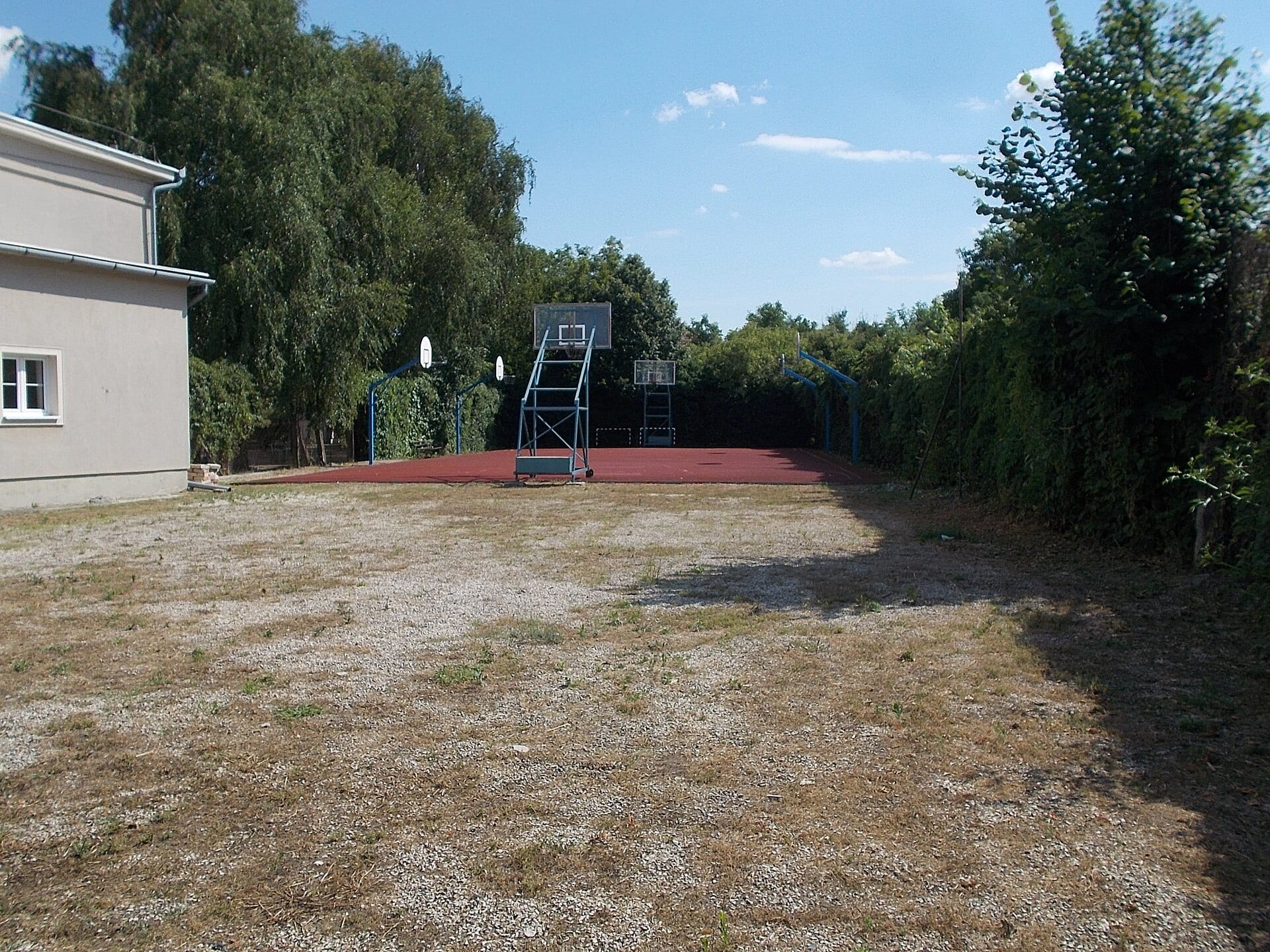
What the surveys found
The surveys ask some version of one question. On how many of the last seven days were you active for at least 60 minutes?
One in four adolescents answered zero. WHO puts that at some 240 million young people. On average, teenagers reported 2.7 active days a week. Only 14% said they were active on all seven days.
The trend is the part WHO stresses most. Activity levels were "virtually unchanged" over the 15 years the study covers, and WHO says no country is on track to meet the global target it set for 2030.
A stubborn gap for girls
Girls reported less activity than boys in almost every country and every WHO region. In the surveys, 28% of girls reported no active days, against 22% of boys. Only 11% of girls said they were active every day, against 17% of boys.
Countries also differ a lot. In some, just 4% of adolescents reported no active days. In others, the share was above 40%.
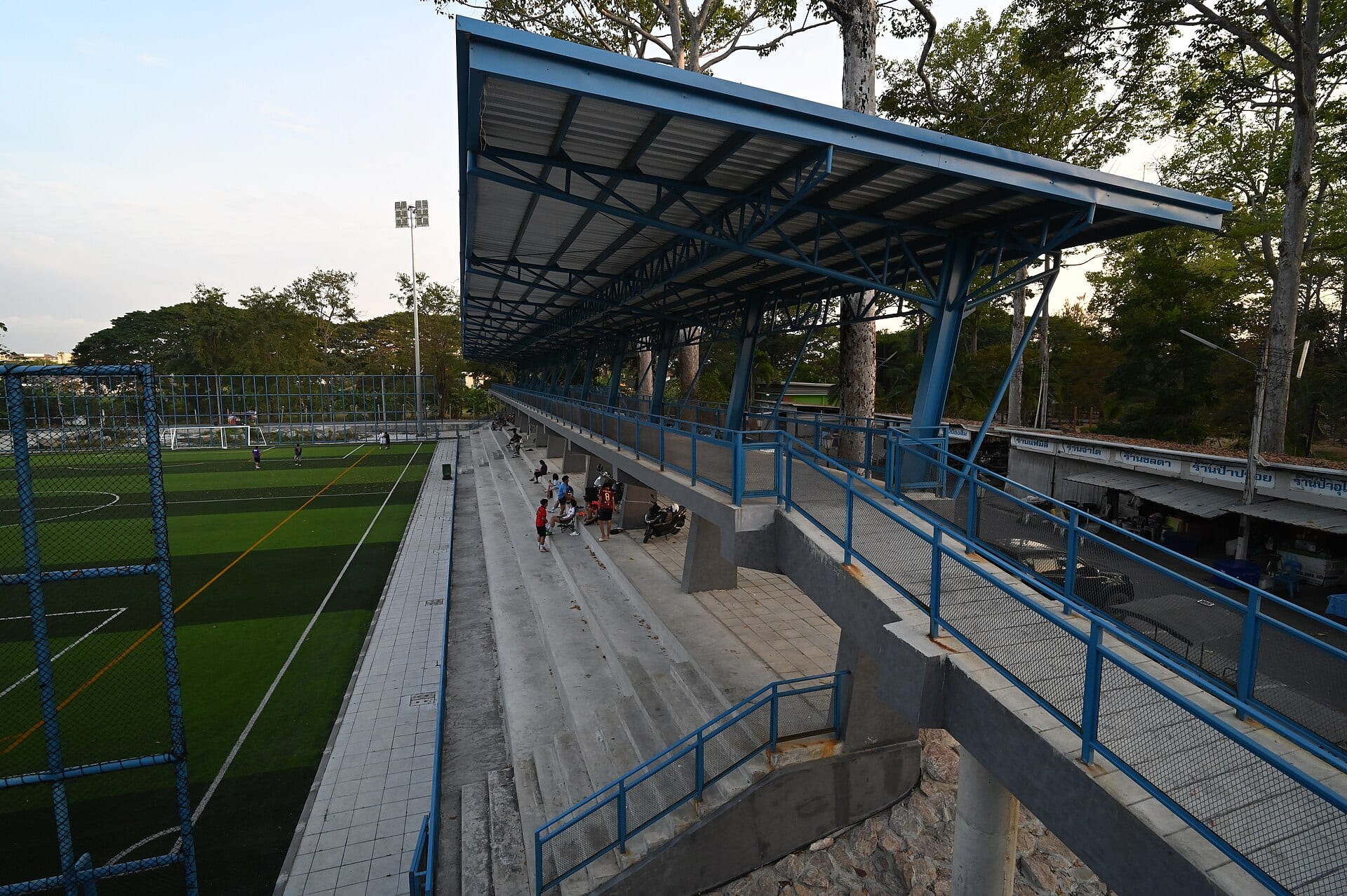
Why it is hard to change
WHO doesn't point to one cause. Its release lists how teenagers get to school, whether there are safe public spaces and safe routes for walking and cycling, what schools offer, cost, social norms, and how much free time goes to devices.
The WHO director-general, Tedros Adhanom Ghebreyesus, put the policy view plainly: "The answer is not to tell adolescents to try harder." WHO is asking schools, transport, city planning, sport and health to act together, with specific attention to the barriers girls face.
What to keep in mind
These are self-reported answers to a survey question, not readings from a device. Teenagers can misremember or round. The question also counts days, not minutes, so a teenager who is active for 50 minutes most days still scores zero. We could read WHO's summary of the study but not the full paper, so we report only the figures WHO published.
Where Soma fits
We build for adults, and nothing here changes overnight because of an app. Still, the study's main point applies at any age: what counts is the number of days you actually move, and memory is a weak guide to that. The Soma app, not yet available, will read the activity your phone or watch already logs in Apple Health, so the count of active days comes from a record instead of a guess.
Sources, as of November 5, 2026: WHO news release, November 4, 2026; WHO report page, "A generation missing out"; Strain, Flaxman, Ricardo, Guthold, Riley, Cowan and colleagues, The Lancet Global Health, published under CC BY 3.0 IGO. This post describes research and isn't medical advice.