In Greece, distance and a convenient lift decided how 20,000 students got to school
A survey of 20,932 students in Athens and Thessaloniki found most walked or cycled to school. Distance and the ease of being driven shaped who didn't, and walkers were only slightly more active in their free time.
Soma Labs3 min read
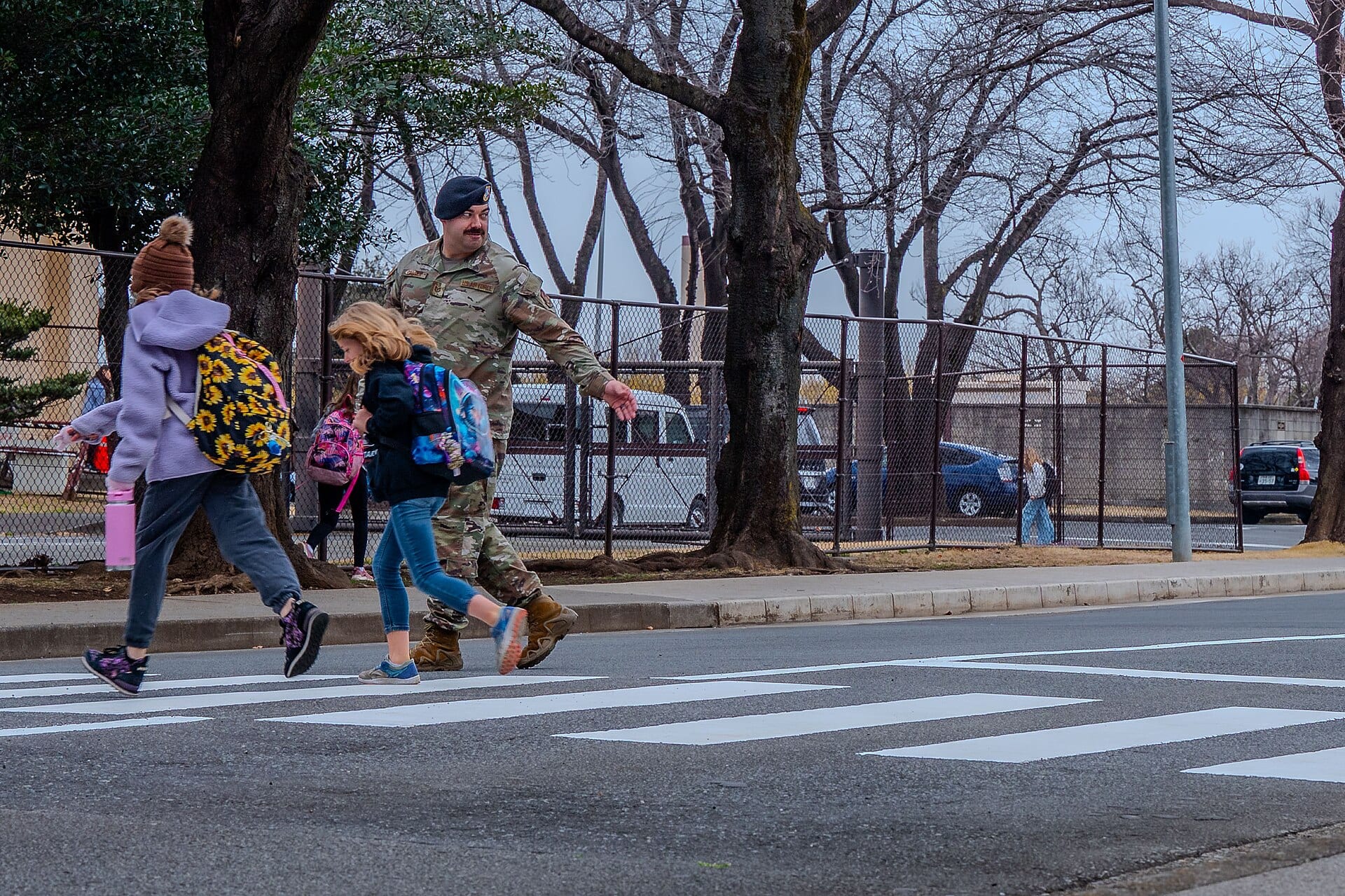
Walking or cycling to school is often described as free daily exercise. A large survey from Greece looks at who actually does it, what keeps others in the car, and how much it lines up with the rest of a student's activity.
The study was published in Frontiers in Physiology by researchers at Greek universities including Democritus University of Thrace and the Aristotle University of Thessaloniki. It adds a local, practical angle to the global picture of teenage activity we covered yesterday.
The setup
Between early 2024 and April 2025, the team surveyed 20,932 students aged 11 to 18 in public schools across the Attica region, which includes Athens, and Thessaloniki. Students filled in a six-page questionnaire during school hours, mostly in physical education classes, with a researcher present.
The questionnaire covered how they usually got to and from school, their sports and other activities over the past week, and 17 possible reasons not to walk or cycle. The distance from home to school was estimated with an online mapping tool from the two addresses.
Students who walked or cycled both ways more than five times a week counted as active commuters. Those who mixed walking with car or bus trips counted as mixed, and the rest as passive.
What decided the trip
Most students were already on foot or on a bike: 68.8% were active commuters, 7.7% mixed and 23.4% passive. Distance helped explain why. Most students, 71.2%, lived within a kilometer of school.
Distance was the strongest factor in the analysis by a wide margin. Compared with students living within 500 meters, those living more than 3 kilometers away had about 64 times the odds of a mixed commute and about 700 times the odds of a passive one. Students who saw more obstacles overall were also more likely to be driven.
The single most telling obstacle was not about the street. It was the feeling that it was easier for someone to drive the student because they were going that way anyway. That item had the strongest link to commuting mode of all 17. Feeling that school was too far, steep hills, and having nobody to walk or cycle with also mattered.
Several obstacles often cited in this field, including missing sidewalks or bike lanes, poor lighting, traffic and dangerous crossings, showed no strong link once everything was considered together. Boys and girls commuted in the same way.
A small link to free-time activity
Students who walked or cycled reported more unorganized activity in their free time than those who were driven. The difference was statistically significant but small, with an effect size of 0.16. Organized sport ran the other way: a slightly larger share of passive commuters played a club sport than active commuters.
The authors say the data can't show whether commuting adds to activity. The activity questions only counted sessions longer than 15 minutes, and the length of the trip to school wasn't measured, so short walks may be missing entirely. The design is cross-sectional, everything except distance and body measures was self-reported, and family income and parents' habits weren't collected. The study received no external funding and the authors declared no competing interests.
Where Soma fits
The pattern here is that habits follow convenience: when a lift is available, it usually wins, whatever the sidewalks look like. Short, routine movement like a walk to school or work is also easy to forget when people describe their week from memory. Soma does not track commutes. The Soma app, not yet available, will read the steps and activity that your phone and watch already record in Apple Health, so everyday walking shows up even when it never feels like exercise.
Sources, as of November 6, 2026: Karakatsanis, Trigonis, Grivas and colleagues, "Active commuting to school and physical activity participation in children and adolescents: evidence from a large cross-sectional study in Greece," Frontiers in Physiology, doi 10.3389/fphys.2026.1848228, published under CC BY 4.0. This post describes research and isn't medical advice.