Nine New Zealand dairy farmers wore a smartwatch through calving season. Most kept it on almost all day
A DairyNZ pilot tracked farm workers with Garmin watches for about seven weeks of calving. The watches stayed on, activity ran high, and the 'stress' readings varied widely from farm to farm.
Soma Labs3 min read
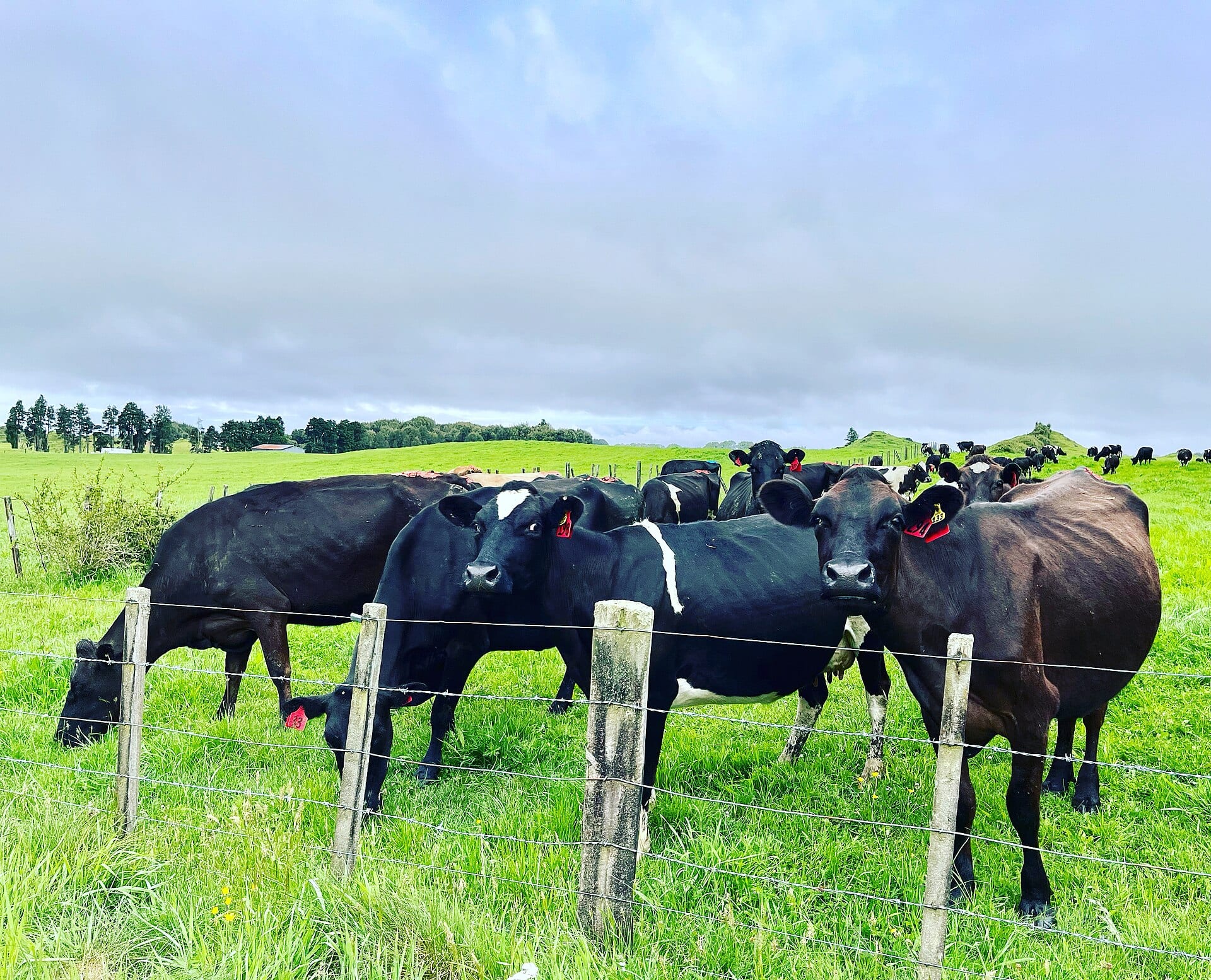
Calving season is the busiest stretch of the year on New Zealand's seasonal dairy farms. Most cows calve within about ten weeks, on top of the usual milking twice a day. A small new study asked a practical question: can a consumer smartwatch capture what that period looks like for the people doing the work?
The pilot was run by researchers at DairyNZ, the industry body funded by New Zealand dairy farmers, with Healthy Lifestyle NZ. It was published on November 3 in Frontiers in Animal Science.
The setup
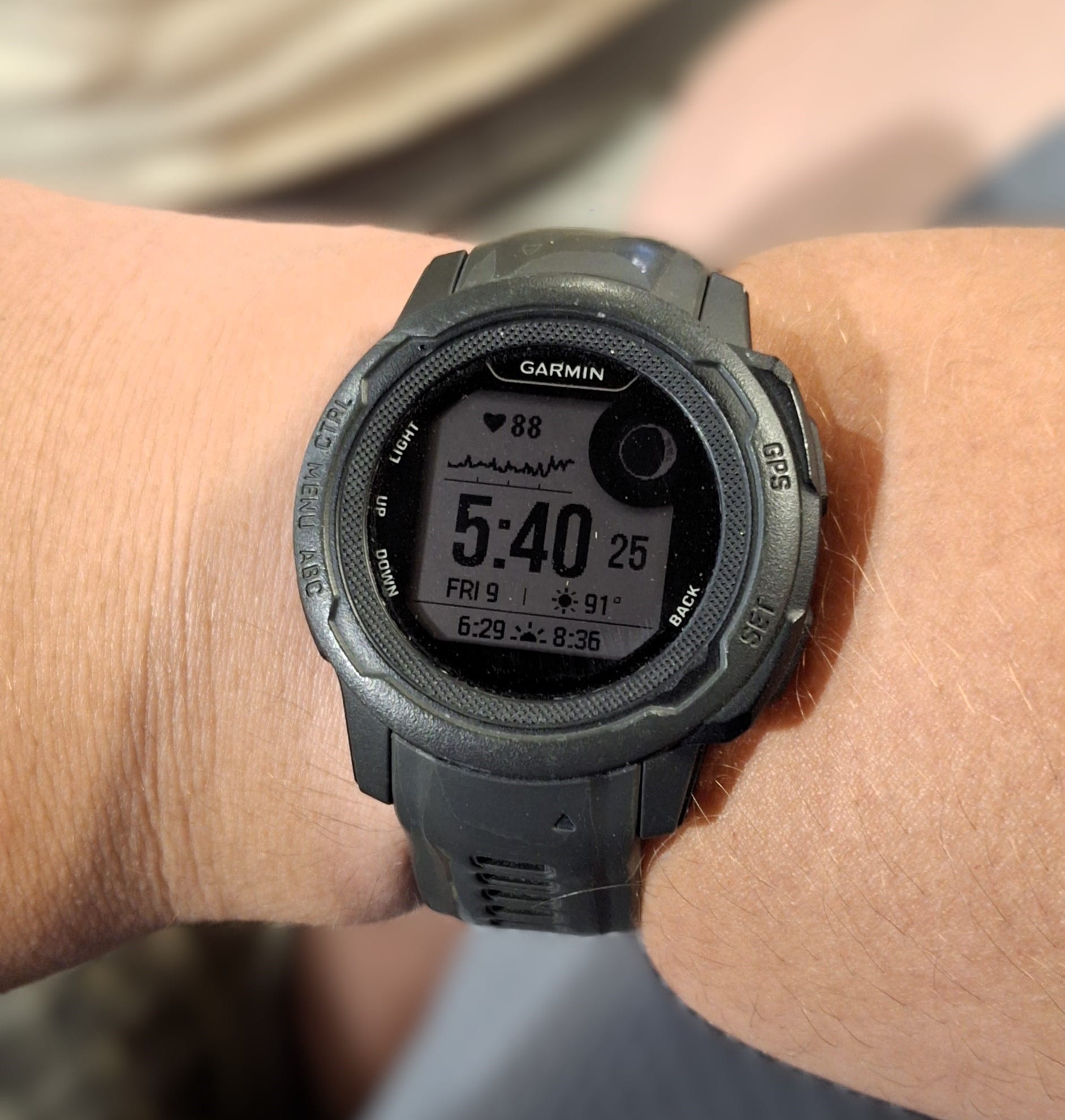
Nine full-time farm workers on five farms, in Waikato and Bay of Plenty on the North Island and the West Coast and Canterbury on the South Island, wore a Garmin Instinct 2 during the 2024 calving period. The watch was picked for being rugged and water resistant. On average, each person contributed 49 days of data. All nine were men aged 25 to 44.
From heart rate, the watch estimated activity intensity and minutes of moderate-to-vigorous activity. From heart rate and heart rate variability, it produced Garmin's stress score from 0 to 100. Scores of 75 and above count as high. The authors are careful here: they treat the score as a sign of physical arousal, which can come from effort or excitement, not as a measure of how stressed someone feels. For two days at peak calving, workers also logged what they were doing in 15-minute blocks.
Would people wear it?
Mostly, yes. The watch was worn for more than 23 hours on 71% of study days. That beats the overnight wear rates of 57% and 66% that the same group saw with Oura rings in earlier farm studies, where rings weren't considered practical for daytime farm work. No one reported any safety problem from wearing the watch at work.
What the watches recorded
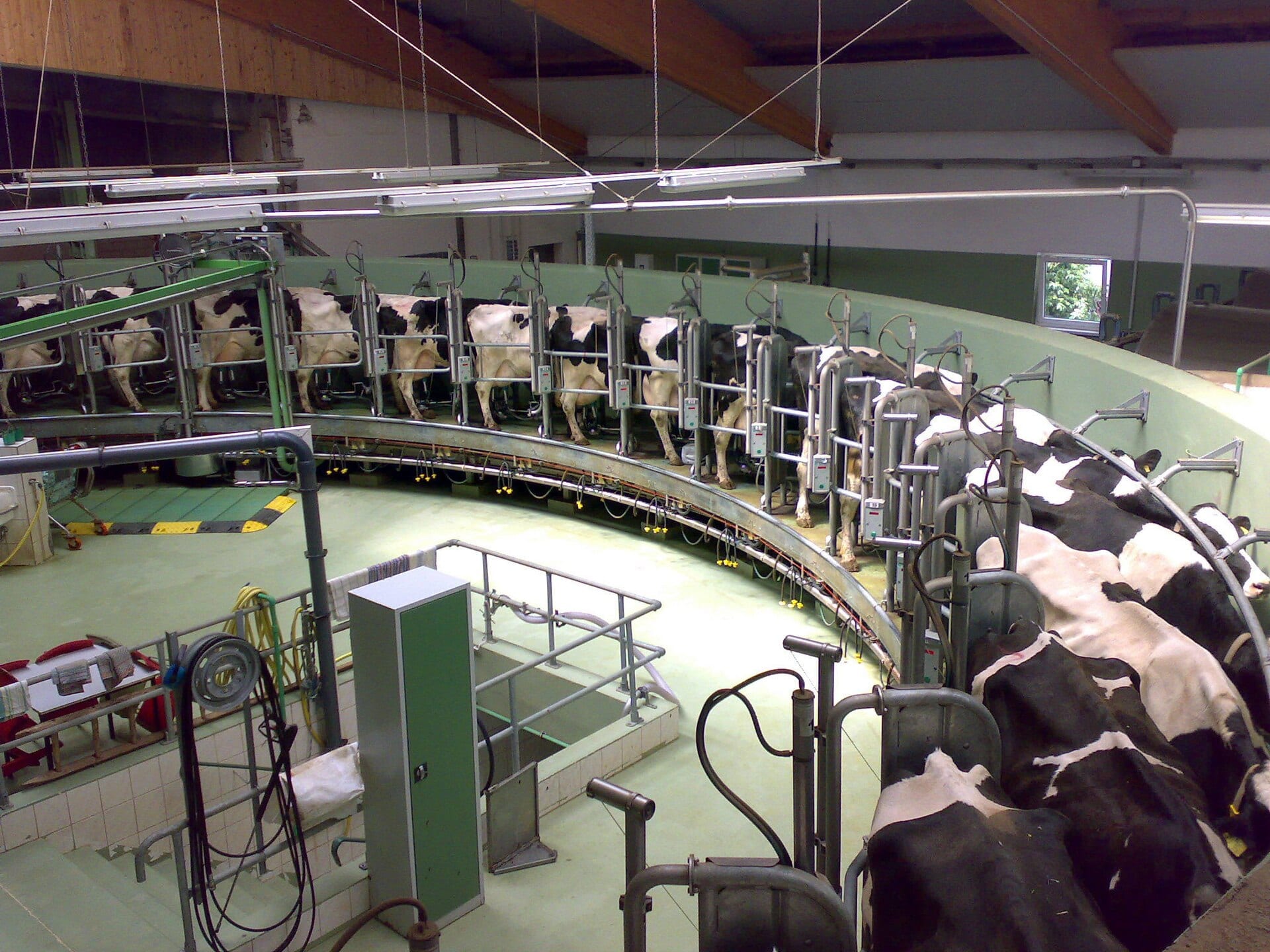
Activity was high and uneven. Workers averaged 89 minutes a day of moderate-to-vigorous activity, with wide swings around that number. On some days, a single shift met the weekly activity target the World Health Organization suggests for adults. Milking took the biggest share of the working day, around 30% including breaks and 40% of time actually worked, and it also accounted for most of the effort.
The stress readings differed more between farms than activity did. Median minutes per day in the high band ranged from 16 on one farm to 82 on another. The farm with the most high-band minutes also had the shortest average working day. It was the only farm milking three times in two days, but with one farm per schedule, the authors can't separate the schedule from everything else about that farm.
What to keep in mind
This is a pilot with nine men, and the results shouldn't be generalized. The activity and stress figures come from Garmin's own algorithms, which haven't been checked against farm tasks, so the absolute numbers need caution. The stress score can rise with effort, heat or excitement. Task logs were written by hand during a hectic period and likely contain timing errors. Weather, staffing, fitness and sleep weren't fully captured.
Where Soma fits
Two things stand out for us. A watch people actually keep on is worth more than a better sensor they take off. And a "stress" number means little without context, because the heart reacts to a heavy morning in the milking shed much as it does to worry. Soma does not measure stress or workload. The Soma app, not yet available, will read data your watch already stores in Apple Health. Its Mind score reads heart rate variability, resting heart rate and breathing. Like any heart-based signal, it makes most sense read next to your activity, not on its own.
Sources, as of November 8, 2026: Hall, Eastwood, Dale, Kuhn-Sherlock and Dela Rue, "Profiling dairy farm workers' daily activity and physiological stress over the block-calving period with wearable technology: a pilot study," Frontiers in Animal Science, doi 10.3389/fanim.2026.1930182, published under CC BY 4.0. This post describes research and isn't medical advice.