Do roommates sleep alike? A small campus study finds a faint echo
Twenty-nine pairs of first-year roommates in Louisville wore wrist sleep trackers for four nights. Their nights were broken in slightly similar ways, beyond what sharing a calendar explains, but the effects were small and imprecise.
Soma Labs3 min read

Research on how other people affect our sleep usually looks at couples sharing a bed. But millions of people share a room or a flat with someone who isn't a partner, starting with first-year students. A new study asks whether roommates end up sleeping alike.
The short answer: a little, maybe. Roommates' nights were broken in somewhat similar ways, and on nights when one was awake longer than usual, the other tended to be too. The effects were modest and the estimates wide.
The setup
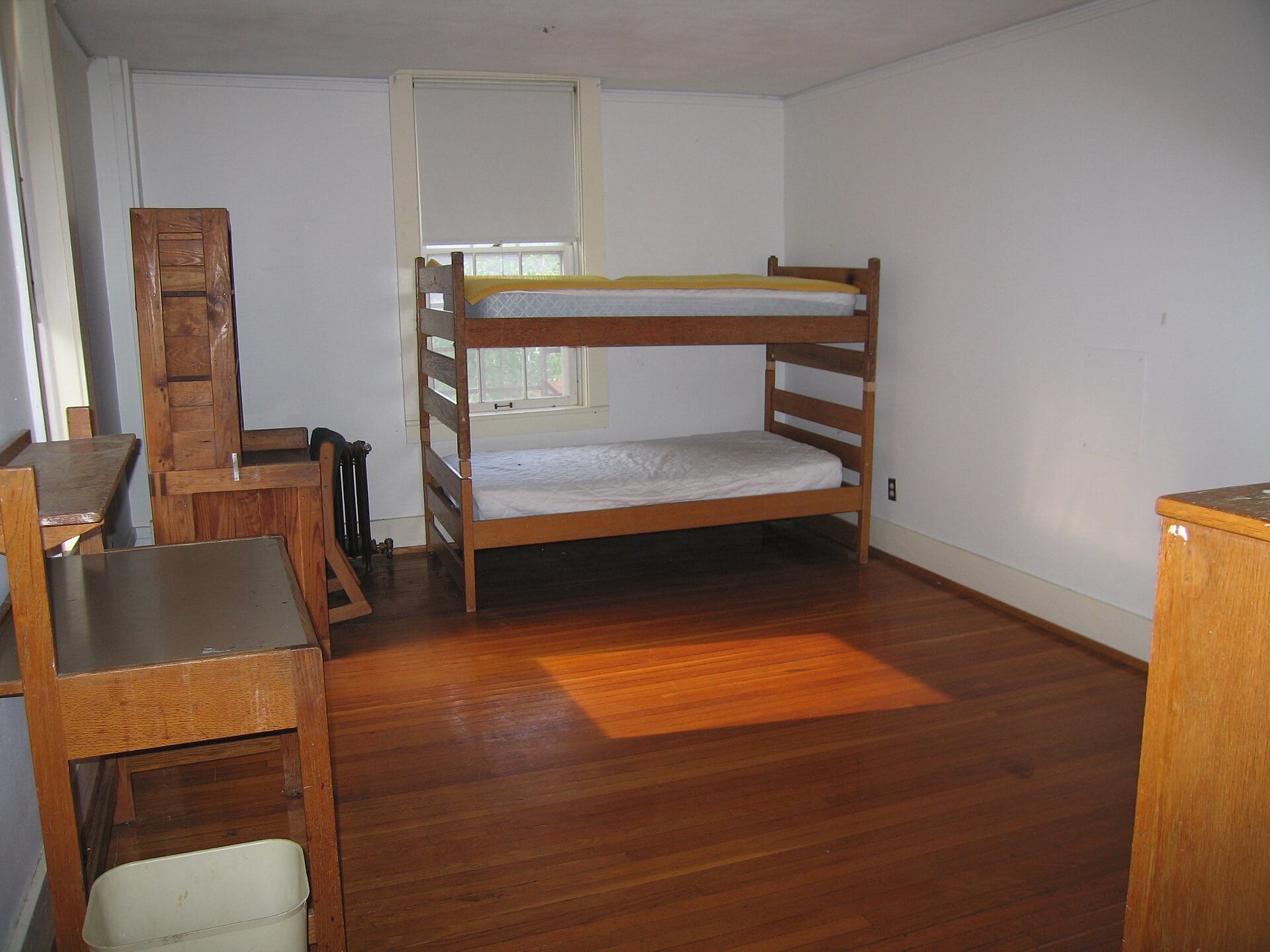
Researchers from Brigham Young University, the University of Louisville, Texas A&M and Case Western Reserve, with psychologist Sandra Sephton as corresponding author, reanalyzed baseline data collected at the University of Louisville in the autumn of 2017. Students had signed up in pairs for a campus mindfulness program, and the sleep data come from the week before it started.
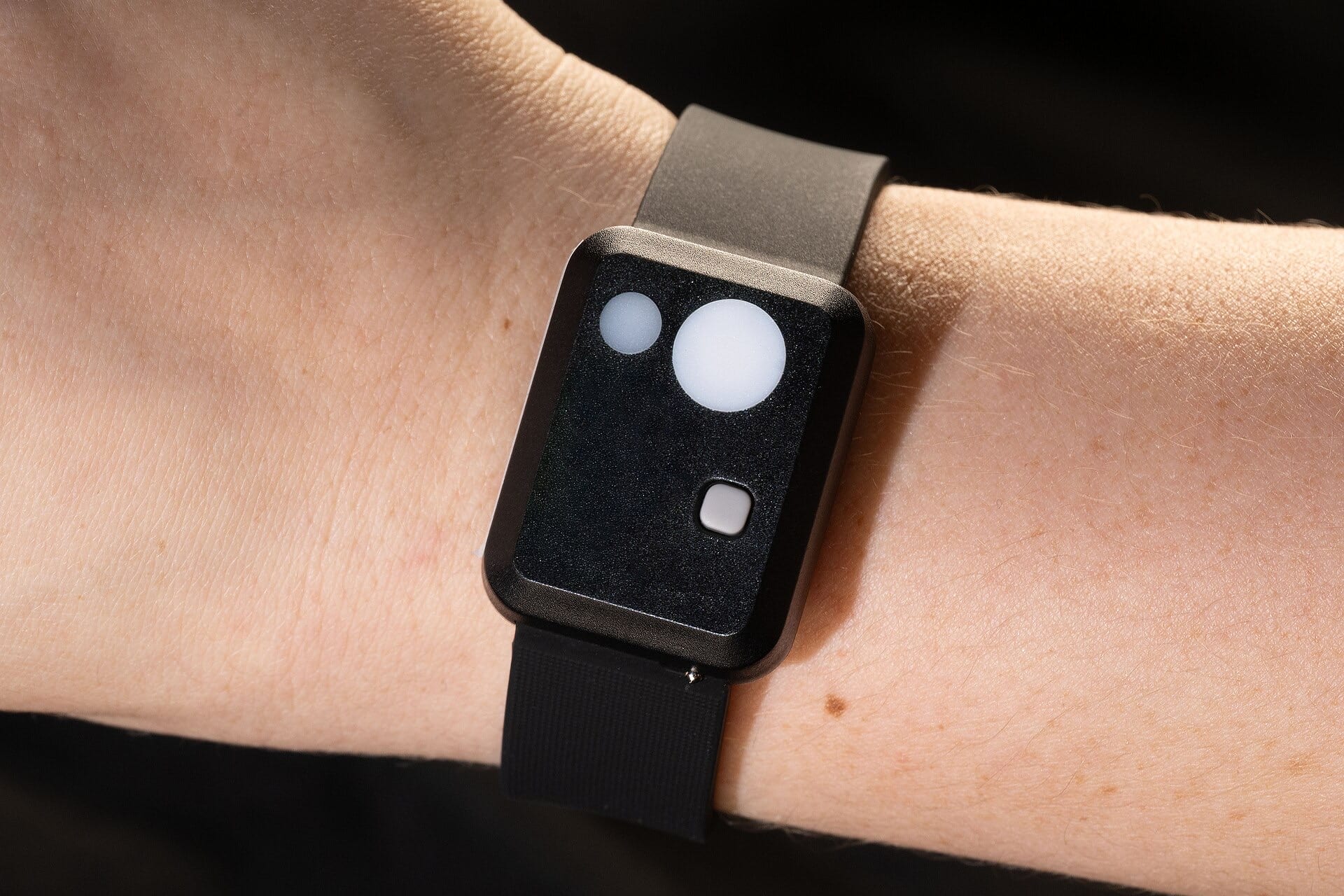
Fifty-eight students, 29 roommate pairs, wore a wrist actigraph for four nights. All were 18 or 19, most were first-years, and 81% were women. In 18 pairs the roommates shared a bedroom; in 10 they lived in the same residence but slept in separate rooms.
The campus sits next to an interstate, freight rail lines and an airport with a large overnight air-cargo hub. The authors describe the setting for context but measured no noise or light, so they don't link any result to it.
A key check: because roommates are measured on the same nights, they share exam weeks and weekends. To separate that from anything about the roommate, the team compared each pair with "pseudo-pairs" of students from the same wave who didn't live together.
What the study found
On average, students slept about 7 hours a night, with 66 minutes awake after first falling asleep. The actigraph counted about 19 awakenings a night, but that includes any single minute scored as wake, so most were very brief.
Awakenings were somewhat alike within pairs. The similarity score was 0.38, against 0.09 for pseudo-pairs. After adjusting for which week each pair was measured, it fell to 0.25, with a range wide enough to include zero.
Same-night ripples. On nights when one roommate spent more time awake than usual, the other tended to as well (r = 0.29). That held after accounting for day of week and week of semester, and was stronger than in 95% of pseudo-pair matches.
Sharing a bedroom made no clear difference. The groups were too small to say.
Students who reported more stress rated their own sleep worse, and to a lesser extent spent more time awake at night.
What to keep in mind
This is a small, narrow sample: young volunteers, mostly women, joining a mindfulness program, with just two to four usable nights each. The authors call the similarity "modest" and stress that most estimates are imprecise. The data are also from 2017.
Actigraphs estimate sleep from wrist movement, so they can't show sleep stages or brief brain arousals. And with nothing measured in the bedrooms, the study can't say whether noise, light, a roommate's alarm or simply shared routines drive the echo.
The work was funded by an internal University of Louisville research grant, and the authors declared no commercial conflicts.
Where Soma fits
The Soma app, which is not yet available, reads data you already collect in Apple Health. It doesn't know who else is in the room. Studies like this are a reminder that a rough night isn't always about you: the people and the space around you can leave a mark too, and that's worth keeping in mind before reading too much into one bad night.
Sources, as of November 10, 2026: David M. Simpson, Kala Phillips Reindel, Elizabeth Cash, Chelsea Siwik, Emily P. Shakespear and Sandra E. Sephton, "Shared sleep fragmentation in undergraduate roommates: dyadic actigraphy in a dense urban campus setting," Frontiers in Neuroscience, doi 10.3389/fnins.2026.1962523, published under CC BY 4.0. This post describes research and isn't medical advice.