Why students exercise: mostly steady month to month, but one in five of the least motivated shifted
A three-wave study of 1,555 Chinese college students found exercise motivation stayed the same for most people from one month to the next. The students who moved from low motivation to a fuller mix reported more exercise later.
Soma Labs3 min read
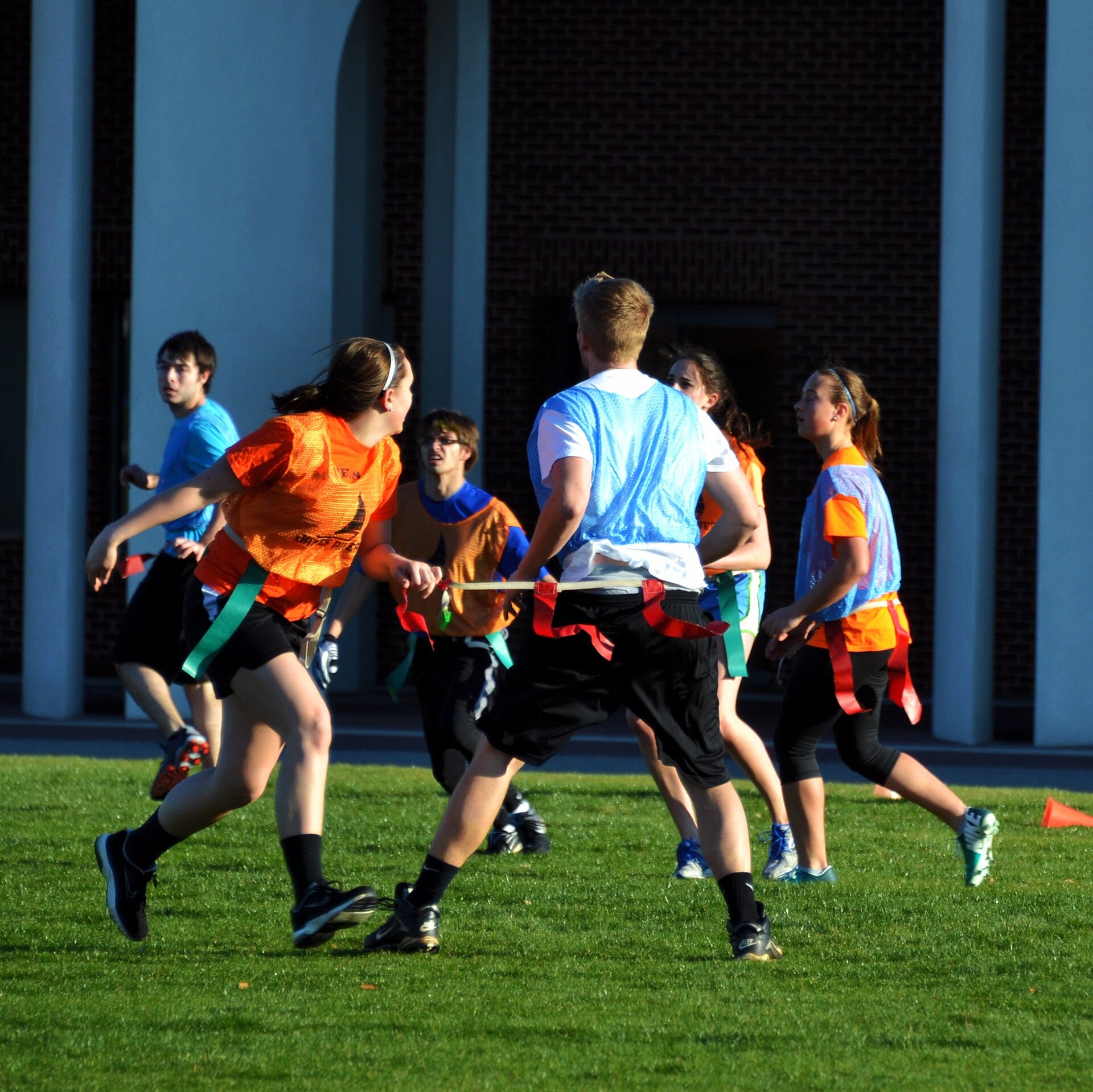
Ask people why they exercise and the answers vary a lot. Some enjoy it. Some do it because it matters to them. Some feel guilty when they skip it, and some don't see the point at all. Psychologists group these reasons into types, and most people hold a mix of them.
A new study in Frontiers in Psychology followed that mix over three months. Zhu, Huang and Liu, of Yancheng Teachers University, asked students the same questions in October, November and December 2022. For most students, the mix barely moved. About one in five students in the least motivated group did shift, and those who shifted reported more exercise afterwards.
The setup
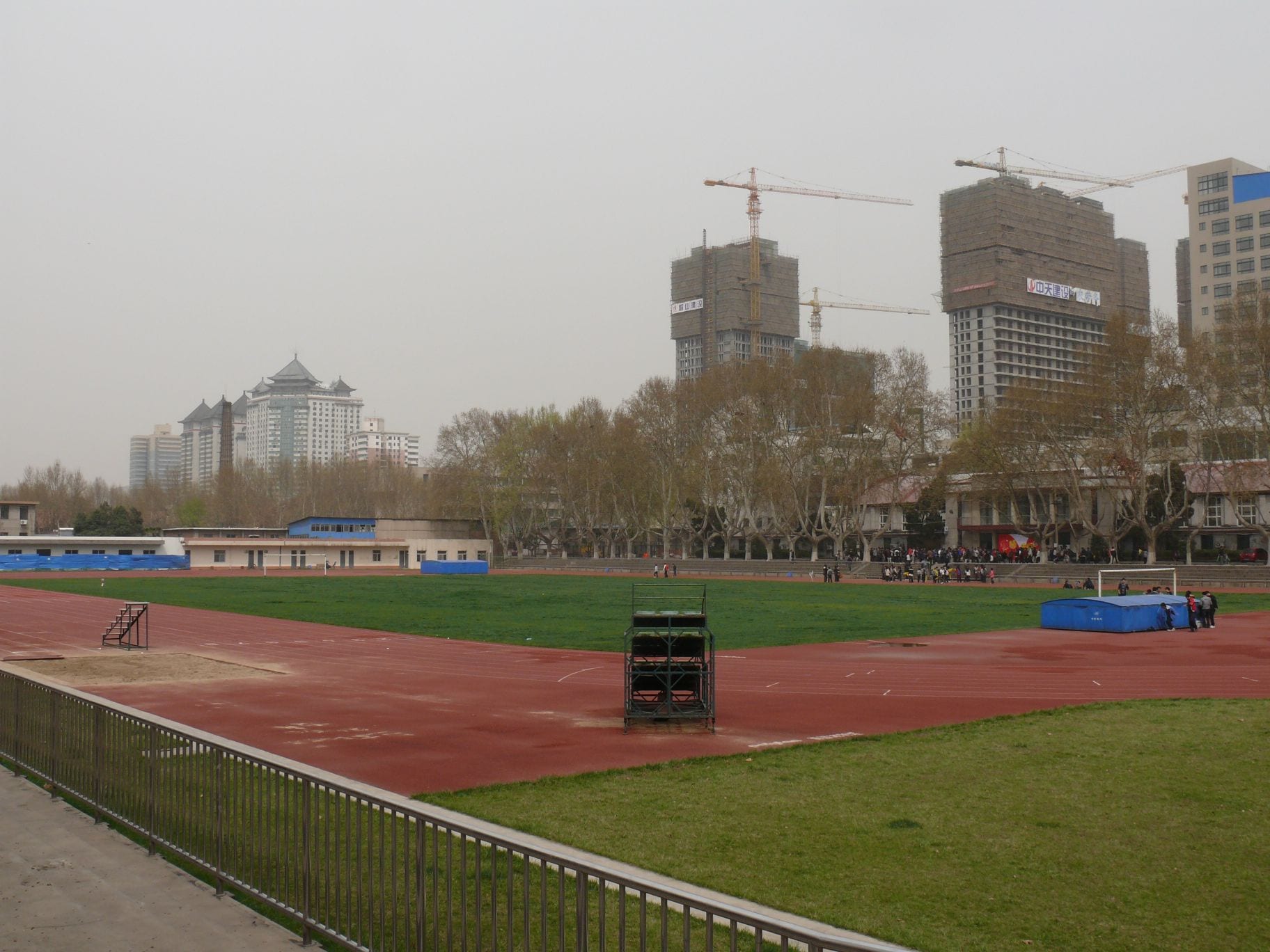
The team recruited students at six colleges in Jiangsu Province, China. They had 1,780 students in the first round and 1,555 who answered all three times, about 28 days apart. Just over half were women, and the average age was about 20.
Each round, students filled in a standard questionnaire on their reasons for exercising, a questionnaire on whether exercise made them feel capable, free to choose and connected to others, and a short questionnaire on how often they exercised in their free time.
The researchers then sorted students into six motivation profiles. The largest, about four in ten students, scored high on enjoying and valuing exercise and also on feeling they ought to do it. The authors call it high autonomous and introjected. Another group scored low on every reason. The authors call it low regulation.
What changed, and what didn't
Most students stayed put. From October to November, 76.9% stayed in the same profile. From November to December, 73.8% did.
The biggest move came from the low regulation group. Over each month, 18.0% and then 20.1% of those students moved into the high autonomous and introjected profile.
That move went with more exercise. In December, students who made it reported exercise scores about 1.81 times those of students who stayed in the low group, after accounting for how much they exercised in October. When the team also accounted for November exercise, the ratio fell to 1.48. It was the only move that stayed clearly linked to exercise in that stricter check.
Feelings about exercise seemed to matter too. Students who felt more capable, free and connected were less likely to drop into the low group. Students who felt more pushed and pressured were less likely to leave it for profiles built on enjoyment or personal value.

The caveats
The authors list them plainly. The data are from 2022 and were published in 2026. All the students came from one province and attended six colleges chosen for convenience, so the results may not hold elsewhere. The three rounds fell in one term, so end-of-term pressure or the weather can't be separated from the passing of time. Exercise was self-reported, not recorded by a device. The questionnaire on feeling capable, free and connected was adapted for exercise and hadn't been checked in that form before. The analysis plan wasn't preregistered.
Most important, this is an observational study. It shows that a shift in motivation went with more exercise. It doesn't show that the shift caused it, and the arrow could point both ways.
Where Soma fits
We don't measure motivation, and we won't claim to. The Soma app, not yet available, will read your workouts from Apple Health, so you can see how much you actually moved over weeks and months. If you want to know why you move, a quick note to yourself now and then is a good place to start.
Sources, as of November 4, 2026: Zhu, Huang and Liu, Frontiers in Psychology, published under CC BY 4.0. This post describes research and isn't medical advice.