Tired but wired: first-time parents in Ireland describe the first six months of broken sleep
In an interview study, 14 first-time parents in Ireland talked about night feeds, paternity leave, splitting the night in two, and lying awake listening for the baby. Broken sleep felt worse than short sleep, and a few simple arrangements helped.
Soma Labs3 min read
Every new parent hears the same advice: sleep when the baby sleeps. A new study from Dublin City University, published in PLOS One, asked first-time parents what the first six months were really like. Several said that advice didn't work for them, and they explained why.
The researchers interviewed 14 first-time parents living in Ireland, 10 mothers and 4 fathers, between late October and December 2025. Each interview ran about half an hour over video. The parents were recruited through parenting organisations and social media. The team then grouped what people said into themes.
Broken sleep is not the same as short sleep
Every parent had interrupted nights. What differed was how rested they felt. One mother said she slept in two-hour stretches, lightly, "with an eye open," yet still woke feeling rested. Another said that seven hours in broken pieces didn't feel like seven hours at all.
Several parents had also expected the worst. One said that because she had braced for no sleep at all, the reality felt more manageable than she feared.
Who gets up at night
The interviews kept coming back to how the night is shared. In Ireland, fathers are entitled to two weeks of paternity leave. One father took just over three months, paid, and said he still managed blocks of four or five hours of sleep, so going back to work wasn't too hard. Another, back at work after the minimum, called the return "jolting."
Five mothers said they were frustrated by "sleep when the baby sleeps." Naps lost out to laundry, cooking and cleaning. Breastfeeding mothers handled the night feeds, but fathers sleeping in the same room still woke when the baby cried.
Some couples found a simple fix. One mother described splitting the night in two: she slept from 8 pm to 2 am, and from 2 am to 8 am the baby was her husband's job. She said it "massively helped."
Tired but wired
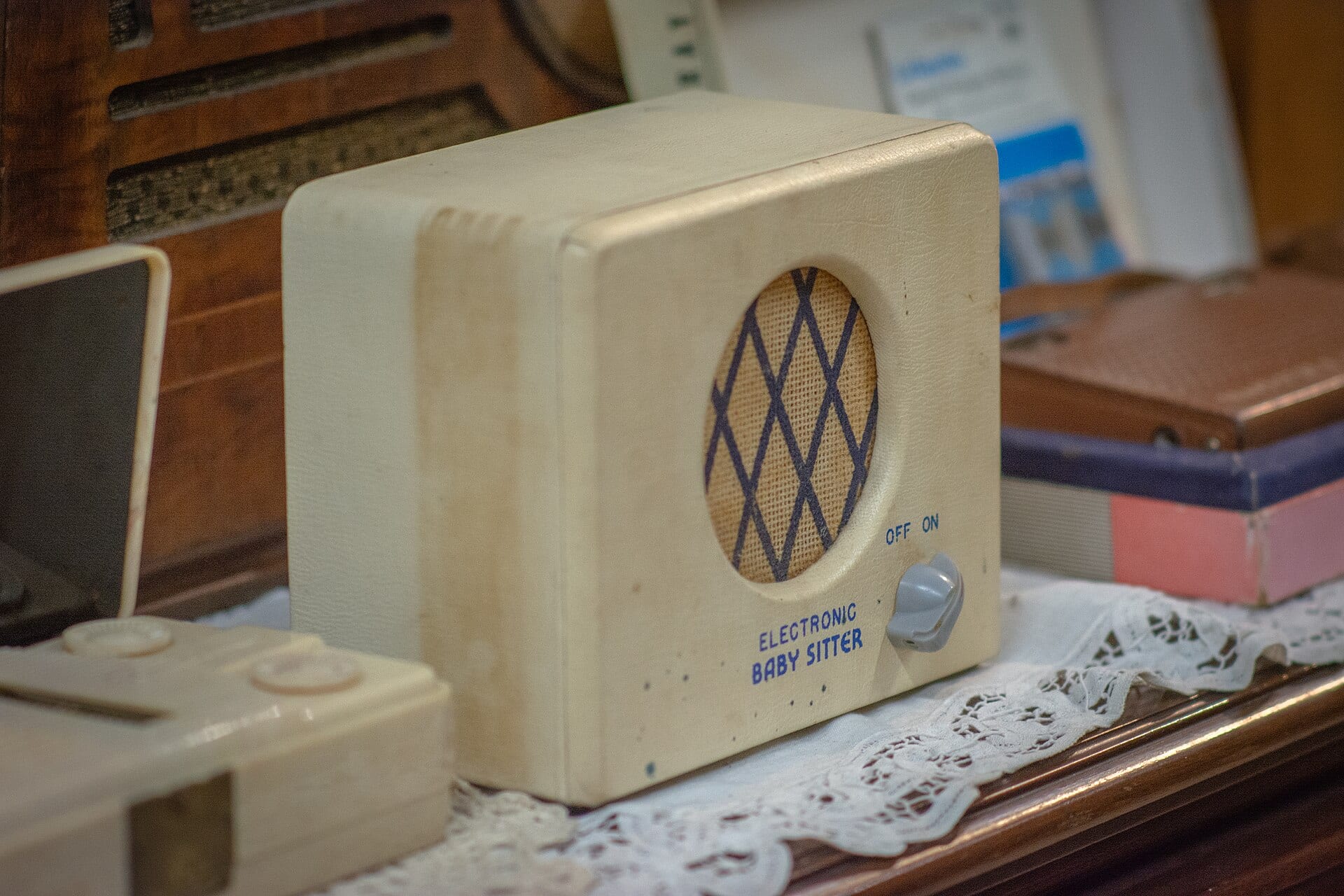
The study takes its title from a phrase one mother had seen online. Parents described being exhausted and still unable to switch off once the baby was down. They lay awake worrying the room was too hot or too cold, or got up several times a night to check on a baby who was sleeping fine.
Parents also tried many small habits: eye masks, white noise, blackout blinds, chamomile tea, red lights. Some knew the phone at night didn't help their sleep. One mother used it anyway, to keep herself awake during feeds.
What this study can and can't tell you
This is a small interview study. It describes experiences. It doesn't measure sleep, and it can't say how common any of this is. Only four fathers took part, every parent was in a couple, and the parents came through parenting networks, so they may be more engaged than most. The authors list these limits themselves. The work was funded by Ireland's Health Research Board and Health Research Charities Ireland.
Where Soma fits
We can't give anyone an unbroken night. What the study points to is that how rested you feel depends on more than total hours, and that the pattern of the night matters. The Soma app, not yet available, will read the sleep data your phone or watch already stores in Apple Health, so you can see how broken your nights really are over the weeks. Our Mind score reads your heart rate variability, resting heart rate and breathing. For new parents, a calm read of the trend may be more useful than another number to worry about.
Sources, as of November 5, 2026: Hughes Spence, Leech, Goss, O'Connor, Smyth and O'Hagan, PLOS One, published under CC BY 4.0. This post describes research and isn't medical advice.