Oura wants to tell you when a week of workouts was enough
Oura has added Cardio Effort, a weekly measure of how hard your heart worked compared with your own baseline, and an automatic VO2 max estimate built from regular GPS workouts. Here's how both work and what's still experimental.
Soma Labs3 min read

Most activity stats count output: steps, minutes, distance, calories. They rarely answer the questions people actually have after a workout. Was that enough? Was it too much? On October 20, Oura announced two features aimed at those questions: Cardio Effort and an automatic VO2 max estimate.
Cardio Effort
Oura describes Cardio Effort as a measure of internal strain: how hard your heart was working during a session and for how long. It's built on a long-established method from exercise science called Training Impulse, or TRIMP, and measures effort against your own resting heart rate and baseline rather than a population formula.
Because it combines intensity and duration, a short, hard interval session and a long, easy walk can land on a similar value. It works for workouts you start live, log by hand or that the ring picks up automatically, and Oura says it covers activities like walking, strength training, yoga, Pilates and cycling.
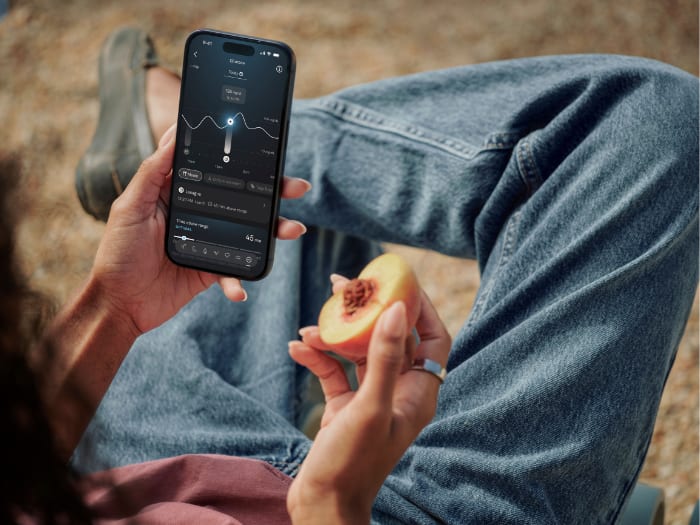
A weekly total with five bands
The more interesting part is the weekly view. Each workout adds to a running total that resets at the start of the week. Oura then places your week in one of five bands compared with your own recent baseline: Light, Fair, Maintaining, Building and Reaching.
Two design choices stand out. Maintaining is presented as a healthy goal in its own right, not a failure to improve. And a Reaching week comes with a suggestion to consider rest. The personal ranges use a rolling six-week window and appear after two weeks of wear. Oura is also clear that Cardio Effort reflects heart rate demand, so a heavy lifting session can feel hard and still score lower than a steady run.
Automatic VO2 max
The second feature replaces Oura's earlier Cardio Capacity, which needed a dedicated six-minute walking test. The new version estimates VO2 max, a common marker of aerobic fitness, passively from GPS-enabled walks, runs and hikes. The first estimate appears after five qualifying activities, shown in ml/kg/min with a category of Low, Fair, High or Peak, plus a trend over time.
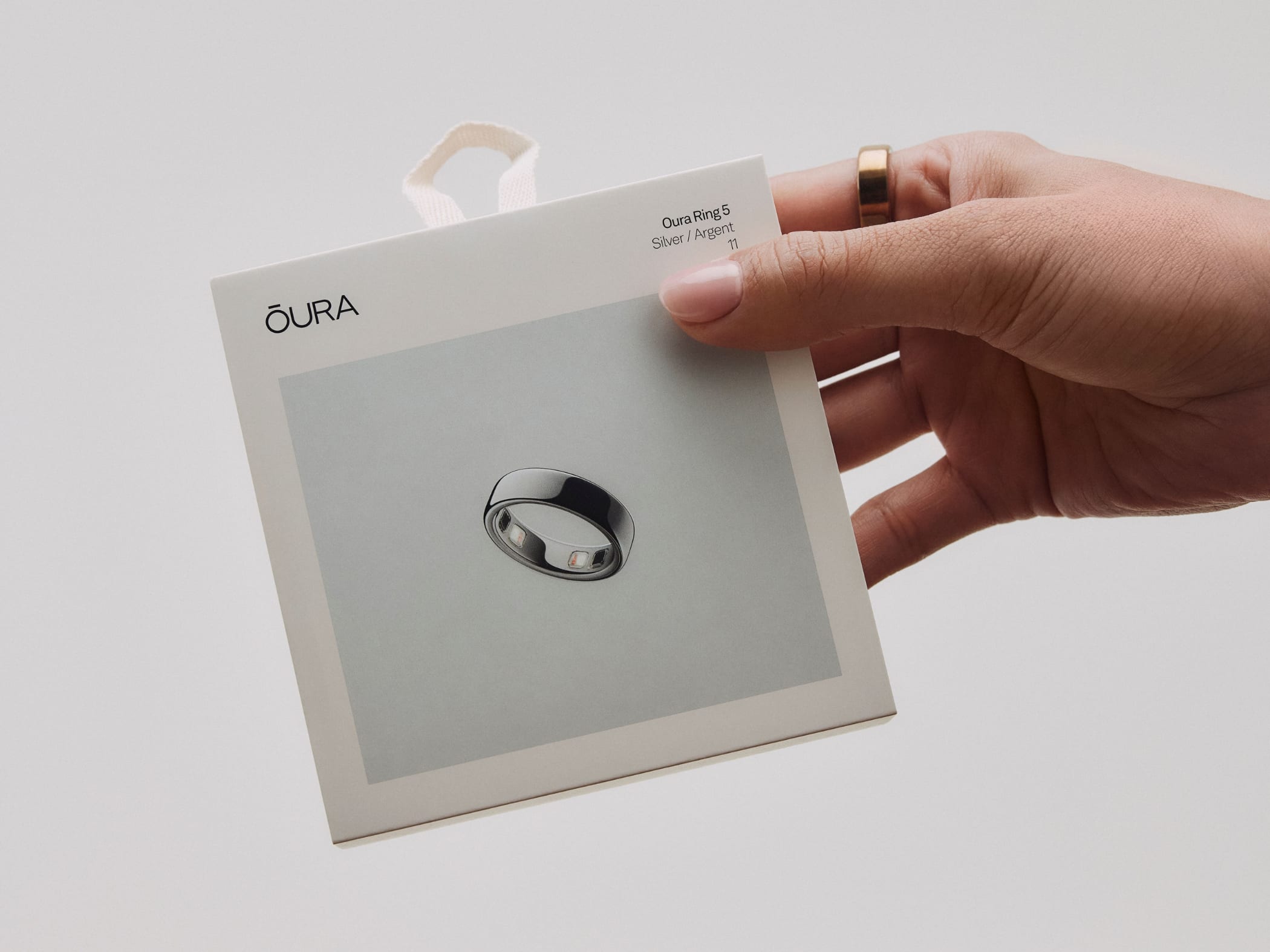
Both features need an Oura Ring Gen3 or later. The VO2 max estimate sits in Oura Labs, the company's area for experimental features, which Oura says may change. The announcement doesn't include figures comparing either measure with lab tests. Members can save a lab VO2 max result in the app for reference, and it won't overwrite the ring's estimate.
Where Soma fits
What we like here is the framing. A number compared with your own baseline, and a week judged against your own recent weeks, usually says more than a score compared with everyone else.
Soma doesn't track workouts, and it's a general wellness product, not a medical device. Soma Axon, the pod we're still building, takes a different slice of the picture: the same readings under the same conditions once a week, with someone from Soma asking whether you trained before each visit, so a hard week shows up as context next to the numbers. Every value will come with its margin of error. The same instrument, every week explains the idea.
Sources, as of October 20, 2026: Oura, Cardio Effort and Automatic VO2 Max: Providing More Context for All Your Oura Activities (October 20, 2026); TechCrunch, Oura adds new fitness metrics to show how workouts impact your body.