Heart rate variability goes on patrol. A review of 58 police studies says the methods need work
Researchers reviewed 58 studies that measured heart rate variability in police officers. HRV proved practical to collect in the field, but breathing, movement and device choices often went unrecorded, and the authors say it should never be used to judge an individual officer.
Soma Labs3 min read
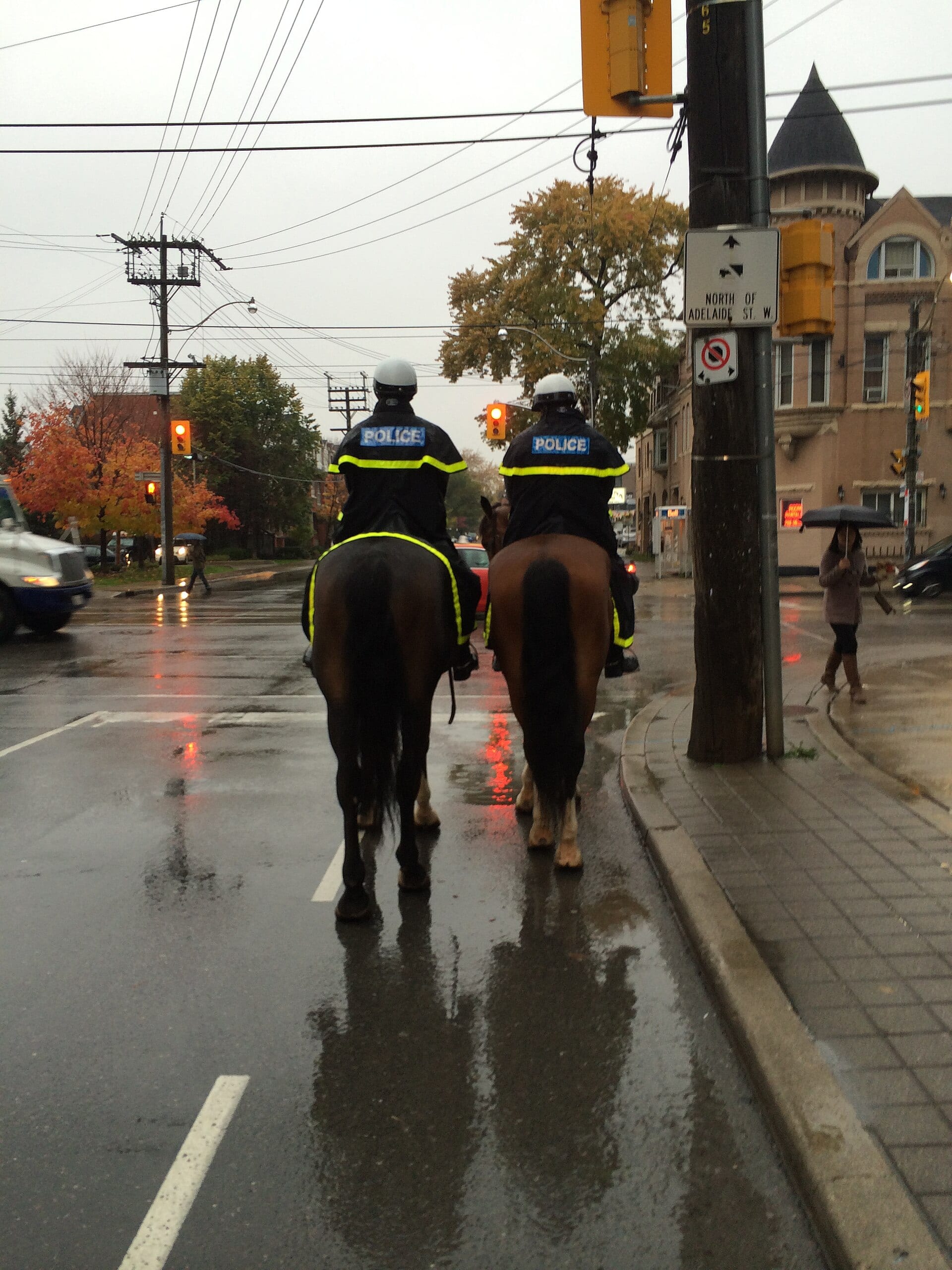
Heart rate variability (HRV) has moved from the lab into the field. It now shows up in studies of firefighters, soldiers, athletes and police officers, often recorded with the same chest straps and rings people buy for themselves. A new review asks a practical question: when researchers measure HRV in police work, how well do they actually do it?
The answer from 58 studies: HRV is feasible to collect on the job, the patterns are often consistent, and the measurement habits are uneven enough that many results are hard to compare.
The setup
Judith Andersen of the University of Toronto led the scoping review with colleagues from Defence Research and Development Canada, Rutgers and Alliant International University, including HRV breathing researchers Paul Lehrer and Richard Gevirtz.
They searched PubMed, Web of Science, MEDLINE and PsycINFO for primary studies that used HRV with police personnel, from recruits and frontline officers to dispatchers and special units. Fifty-eight studies with 4,764 participants made the cut, from Canada, the United States and Europe to Brazil, Kuwait and India. Sample sizes ran from a single officer to 430.
A scoping review maps a field rather than pooling numbers, so there is no single headline effect. The authors received no funding for the work.
What the review found
Three uses. Studies used HRV to look at day-to-day health and wellbeing, at reactions and performance during high-pressure scenarios such as use-of-force training, and at how well people recover and adapt over time.
Consistent patterns. Lower HRV tended to go with heavy workloads, shift work and poorer recovery. Higher fitness and more physical activity went with more adaptive profiles. In realistic training scenarios, larger drops in HRV often went with weaker performance.
Breathing helps. Studies of slow-paced breathing, HRV biofeedback (breathing at about 4.5 to 6.5 breaths per minute) and mindfulness generally reported better autonomic regulation, recovery and training performance.
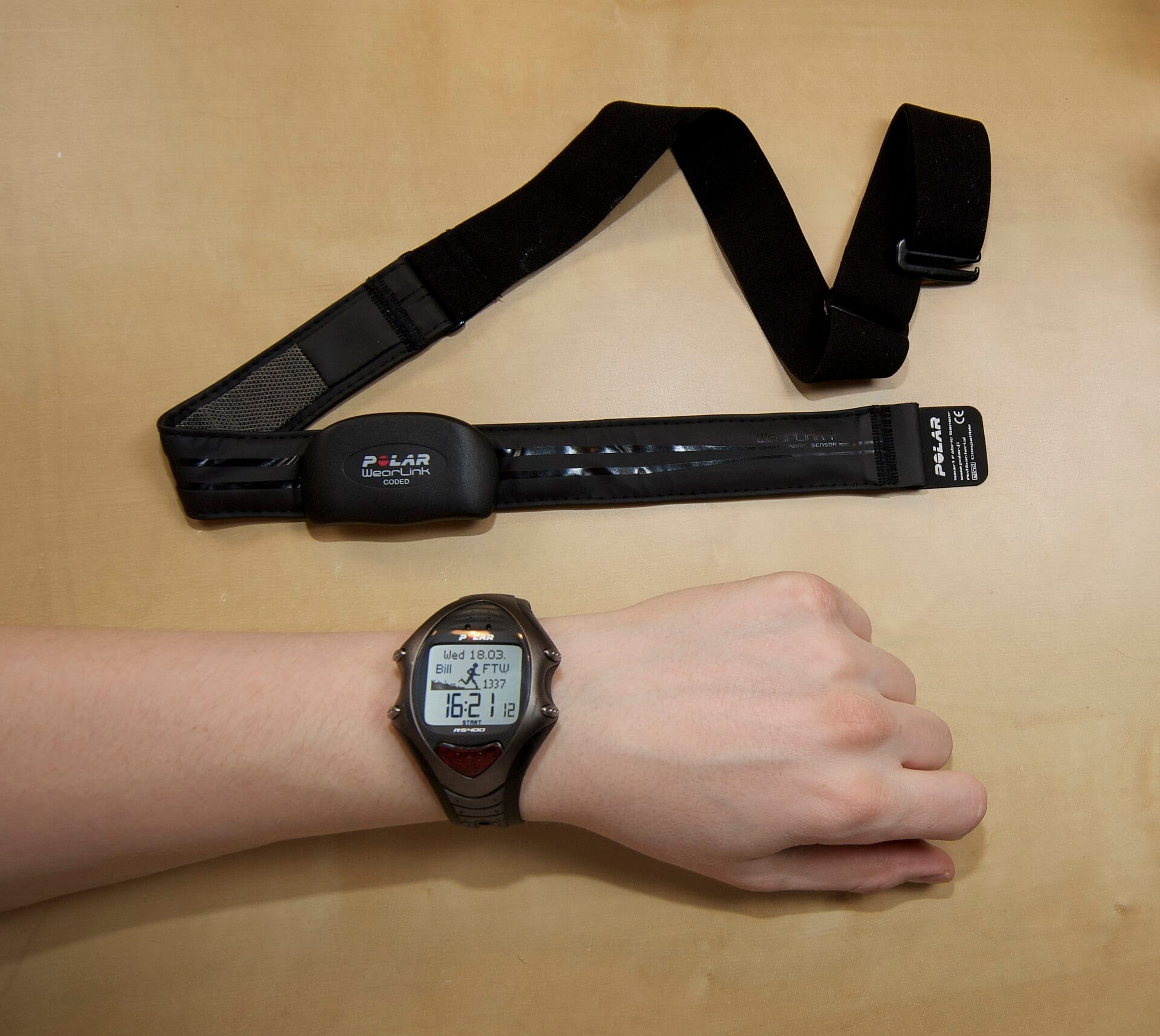
The devices. Chest-strap ECG was the most common tool (23 studies), followed by multi-lead ECG (18). Only a handful used rings or wrist devices. Six studies didn't say what they used.

What to keep in mind
The authors' main message is about method. Breathing has a strong pull on HRV: a sigh or a long exhale can shift the numbers. Close to 60% of studies tried to limit this by measuring people seated or lying down, but many never recorded breathing rate. Caffeine, time of day, posture and recent movement were often uncontrolled or unreported.
They also flag commercial devices and apps with private algorithms and short or vague recording windows, which make results hard to repeat. Their practical advice includes checking recordings by eye and reading results with caution if more than about 10% of beats need correcting.
And they draw a firm line: HRV should be read as one part of a broader picture, and not used for hiring decisions, fitness-for-duty calls or predicting anyone's mental health.
Where Soma fits
The Mind score in the Soma app, which is not yet available, reads HRV, resting heart rate and breathing from Apple Health. This review is a good argument for that pairing. HRV moves with breathing, posture and activity, so it makes more sense read alongside them, and as your own trend over time rather than a single score used to judge anyone.
Sources, as of November 9, 2026: Judith P. Andersen, Jennifer F. Chan, Colleen Little, Sarah C. Scott, Joseph Arpaia, Paul Lehrer and Richard Gevirtz, "Heart rate variability in police research: a scoping review of objective psychophysiological assessment," Frontiers in Psychology, doi 10.3389/fpsyg.2026.1947898, published under CC BY 4.0. This post describes research and isn't medical advice.