A day without the phone: clear changes in young swimmers, but no comparison group
A study in BMC Pediatrics sealed the smartphones of 43 competitive swimmers aged 10 to 16 for 24 hours. Self-rated sleep and an attention test both improved. The authors say the design can't show the phone break caused it.
Soma Labs3 min read
Taking a phone away for a day is about the simplest experiment anyone can run. A study published on October 27 in BMC Pediatrics did exactly that with young swimmers, and got a clear result. The more interesting part is what the authors say that result can and can't mean.
What the swimmers did
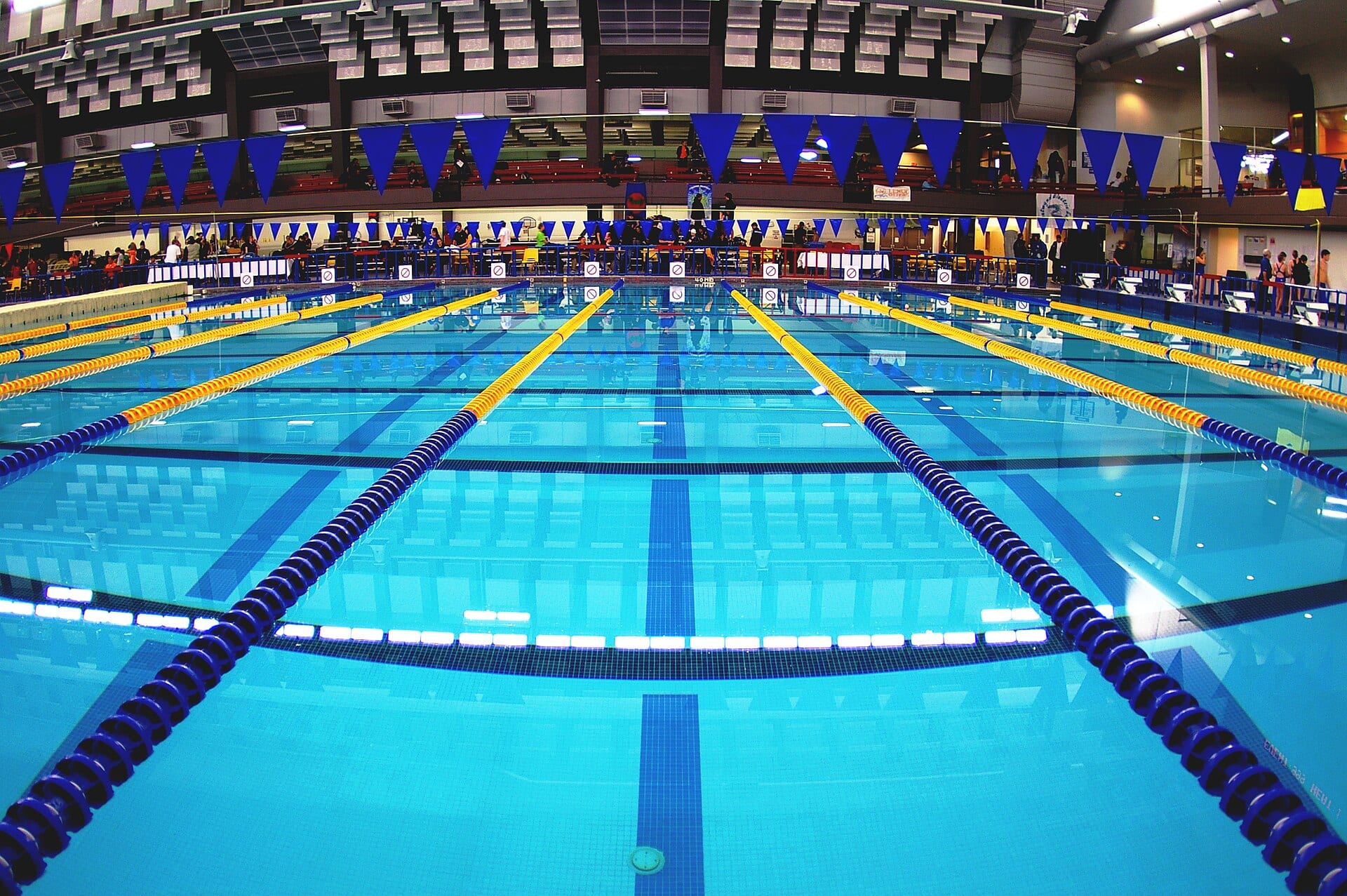
The researchers, based in Türkiye, worked with 43 competitive swimmers aged 10 to 16. The average age was 12.8, and 26 were boys.
Each swimmer gave up their smartphone for 24 hours. The phones went into tamper-evident sealed bags, so the team could check the break actually happened.
Right before and right after the 24 hours, the swimmers rated their sleep on a 10-centimetre line, where 0 meant good sleep and 10 meant poor sleep. They also took the Bourdon test, a timed task that measures sustained attention by counting how many target symbols someone marks correctly and how long it takes.
What changed
Self-rated sleep improved. The average score went from 2.93 to 1.91 on the 10-centimetre line, a drop of about one centimetre.
The attention test improved too. The number of correct responses went up by 6.30 on average, and the time to finish went down by 32.4 seconds.
The changes were similar for boys and girls, and for swimmers who usually used their phones more or less. Swimmers who usually spent more time on their phones did rate their sleep as worse, both before and after.

Why the result isn't the whole story
There was no comparison group. Every swimmer did the phone break, and nobody did the same two test sessions without one.
That matters most for the attention test. People usually do better the second time they take a test like this, simply because they've seen it before. The authors say this directly: the changes can't be put down to the phone break alone, and some of the gain may be practice. They call for randomised studies to sort it out.
The sleep result is self-rated, over a single day, by swimmers who knew their phones were locked away. That knowledge alone can shape how someone rates a night.
So the honest reading is narrow. After a day without phones, these swimmers felt they slept better and did better on a repeated test. Whether the phone break caused that is still open.
Where Soma fits
This study is a good example of why a comparison matters. A before-and-after change can look convincing and still mix the effect you care about with the effect of simply being measured twice.
Soma is a general wellness product, not a medical device. It doesn't diagnose anything, and it doesn't measure sleep or attention. Soma Axon, the pod we are still building, uses the same light, cameras and stance every week, and shows each value with its margin of error, so a change over time is easier to trust. We wrote more about that in The same instrument, every week.
Sources, as of October 28, 2026: Dogan, Futsi, Akyuz, Gunay and Guler, BMC Pediatrics. This post describes research and isn't medical advice.