Three weeks in a sling: weaker arms that seemed to last longer
A small randomized trial in Frontiers in Physiology put athletes' non-dominant arm in a sling for three weeks. Maximal force fell by almost a quarter. Endurance at half of that force went up, and the reason is in the arithmetic.
Soma Labs3 min read
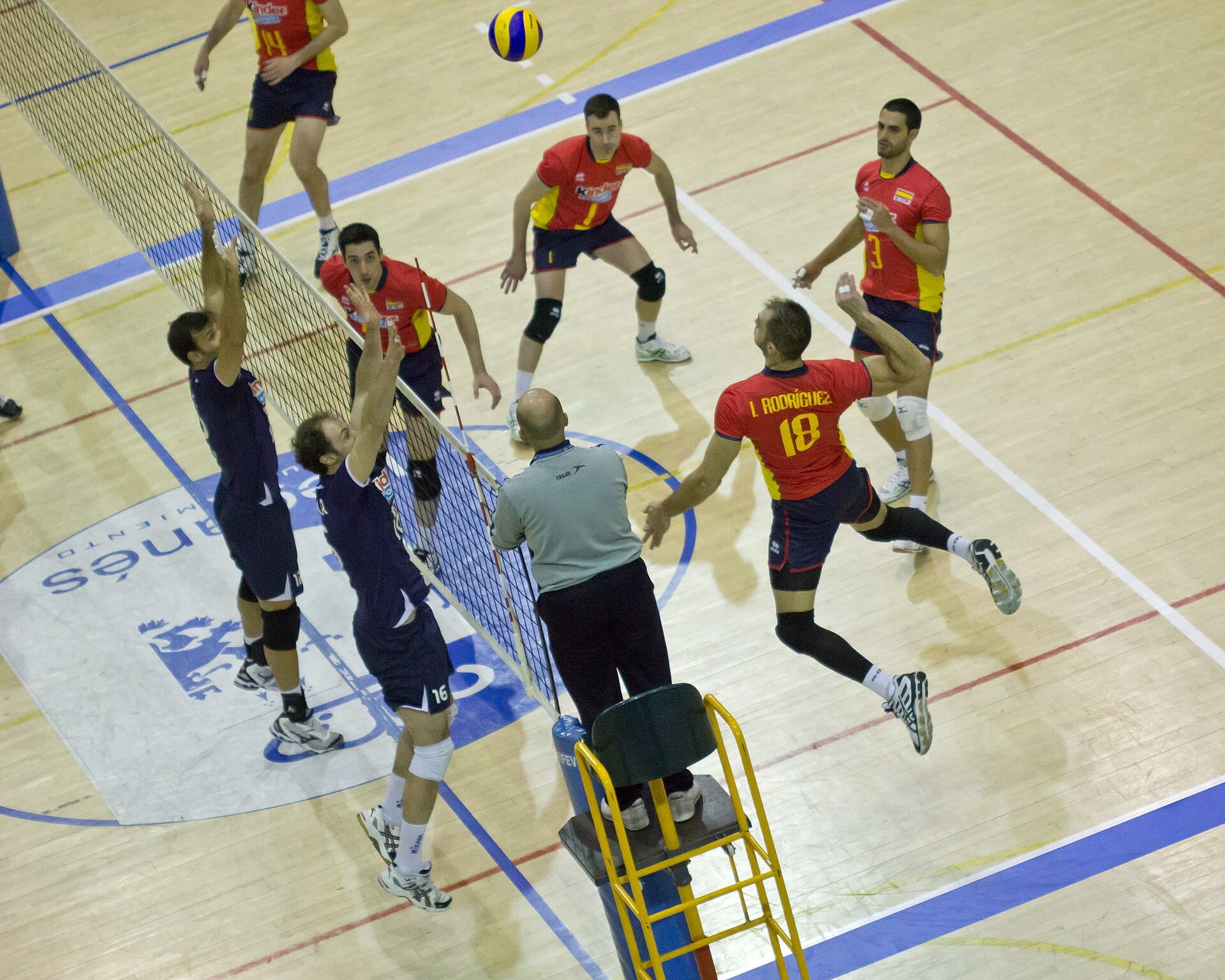
What happens to an arm that stops working for a few weeks? A team in Tunisia asked that question with a simple setup, and the most interesting result is a number that seems to point the wrong way.
The study was published in Frontiers in Physiology on October 28. It is a randomized trial with 24 team-sport athletes who play handball, basketball and volleyball. Eleven were women and 13 were men, all right-handed, with an average age of about 21 to 22.
The setup
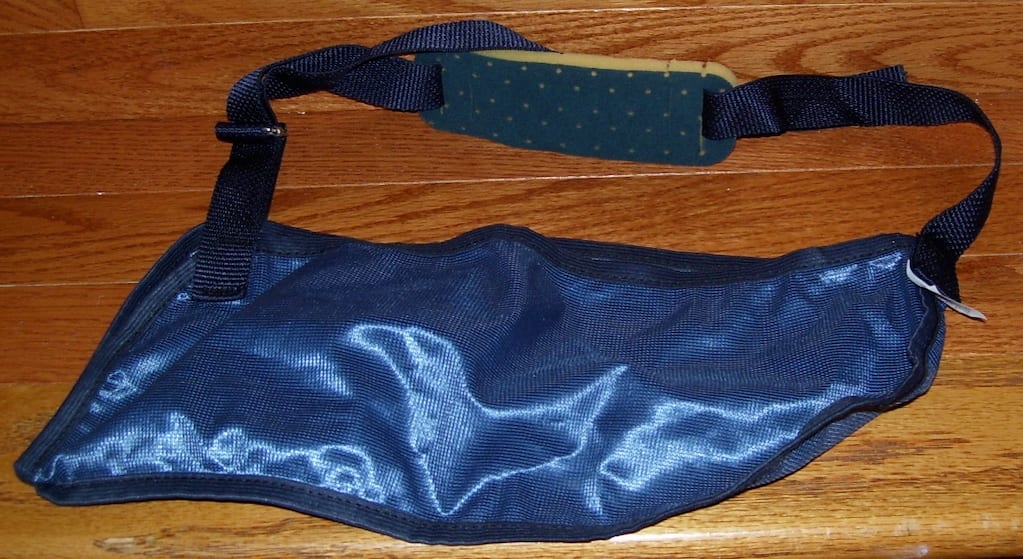
Half of the athletes wore a sling and swathe on their non-dominant left arm for three weeks, 12 to 14 hours a day while awake. Their own records put it at about 12.8 hours a day. The other half had no sling. It was the off-season, and both groups were asked to stop training and structured activity.
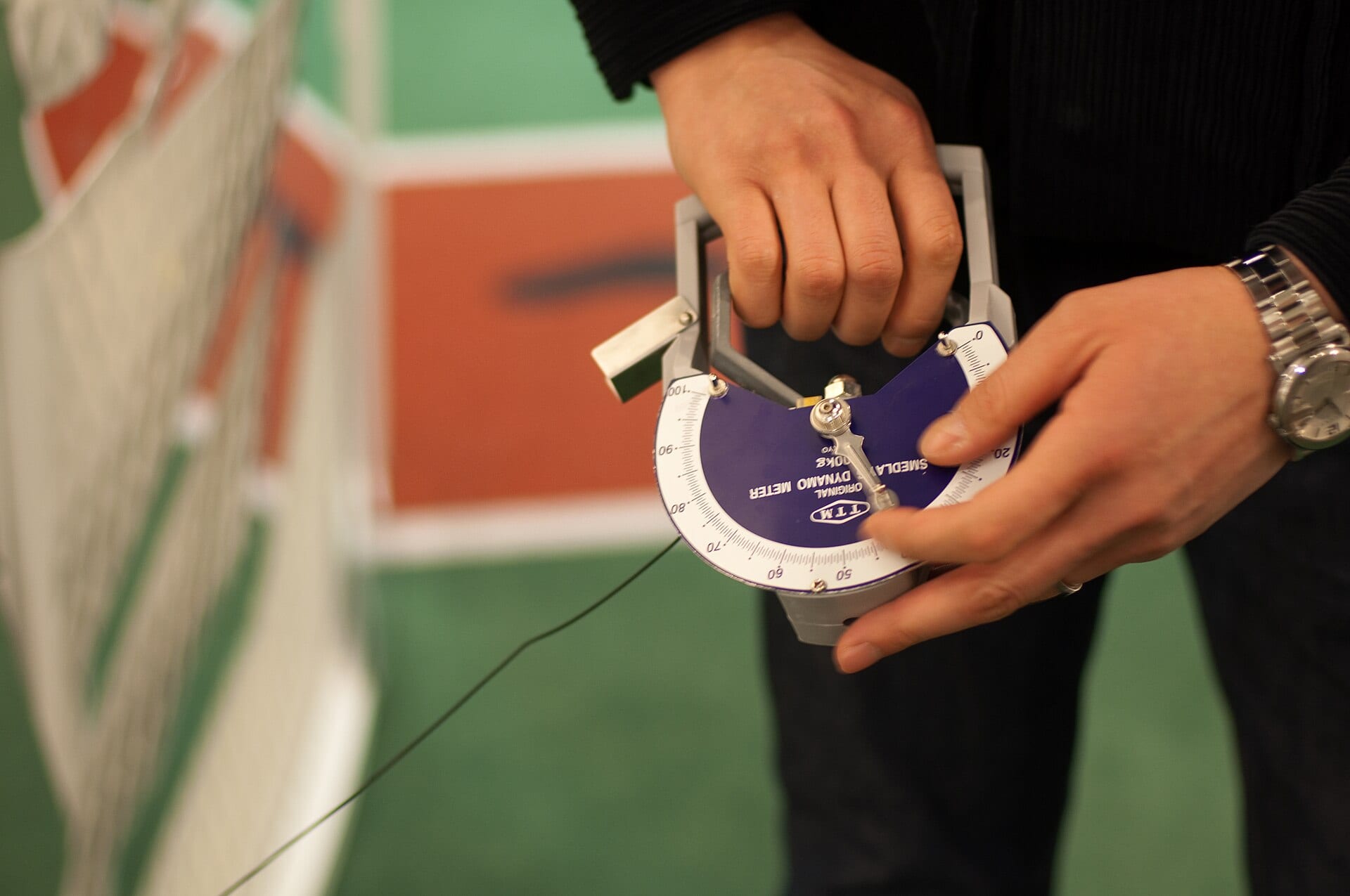
Before and after, the team measured the strongest single pull each person could make, bending the elbow at 90 degrees. Then they asked each athlete to hold 50% of that day's maximum for as long as they could. They also estimated the size of the upper arm, muscle and bone together, from arm circumference and skinfolds.
What changed
In the sling group, maximal force dropped from about 180 newtons to about 139. That is a fall of 22.9%. The control group showed no significant change.
The estimated muscle and bone area of the upper arm fell by 7.3% in the sling group. The authors are clear that this is an indirect estimate from a tape measure and calipers, not a scan of the muscle itself.
Then came the odd part. The time the sling group could hold 50% of their maximum went up, from about 221 seconds to about 282. That is 27.5% longer. And after the hold, their force dropped less than before.
Why the weaker arm lasted longer
The answer is in the target. Each hold was set at 50% of that day's maximum. Before the sling, that meant about 90 newtons. After three weeks in the sling, it meant about 69.
So the sling group wasn't holding the same load for longer. They were holding a lighter one. The control group's target barely moved, and neither did their time.
The authors name this as a key confound themselves. The changes after the hold may reflect an easier task, not an arm that had become harder to tire. A percentage of your own maximum is a moving reference. When the maximum falls, everything measured against it shifts too.
The limits
This is a small trial, and the authors list its weak points. There was no blinding, since a sling is hard to hide. Sling use was self-reported. There was no sample-size calculation. Sleep, food and caffeine weren't standardized. Sex and sport weren't analyzed separately. The trial was registered after the fact. And there was no retraining phase, so it says nothing about how quickly strength comes back.
Where Soma fits
Soma is a general wellness product, not a medical device. It doesn't diagnose anything, and it doesn't measure strength or the size of a muscle. The point we take from this study is about reference points. A number measured against a target that moves can look like progress when it isn't. Soma Axon, the pod we are still building, uses the same light, cameras and stance every week, and shows each value with its margin of error, so a change over time is easier to trust. We wrote more about that in The same instrument, every week.
Sources, as of November 1, 2026: Erriahi, Hamdi, Ben Hsen and colleagues, Frontiers in Physiology, published under CC BY 4.0. This post describes research and isn't medical advice.