Americans drink the same coffee, with more in it
A Tufts analysis of about 30,000 US adults found that coffee intake held steady from 2003 to 2018, while the calories added to each day's coffee rose by nearly 40%. Non-dairy creamer now adds more than sugar or milk.
Soma Labs3 min read

Coffee itself has almost no calories. What goes into it is another matter. A study from Tufts University's Friedman School of Nutrition Science and Policy, published online this week in the Journal of the Academy of Nutrition and Dietetics, tracks how that has changed for American adults.
What the researchers looked at
The team, led by PhD candidate Yongyi Pan with senior author Fang Fang Zhang, used eight cycles of the National Health and Nutrition Examination Survey, known as NHANES, from 2003 to 2018. The data covers about 30,000 adults aged 20 and older, each of whom recalled everything they ate and drank over two separate days.
The researchers split coffee drinks into plain coffee and coffee with additions, then sorted the additions into groups: dairy milk, half-and-half, cream, non-dairy milk, non-dairy creamer, sugar or syrup, sugar substitutes and others.
The data stops in 2018, so it describes a trend up to then, not today's habits.
What changed
The amount of coffee barely moved, staying at roughly 13 ounces a day on average. The calories from coffee did. They rose from 43 to 60 a day over the period, an increase of nearly 40%.
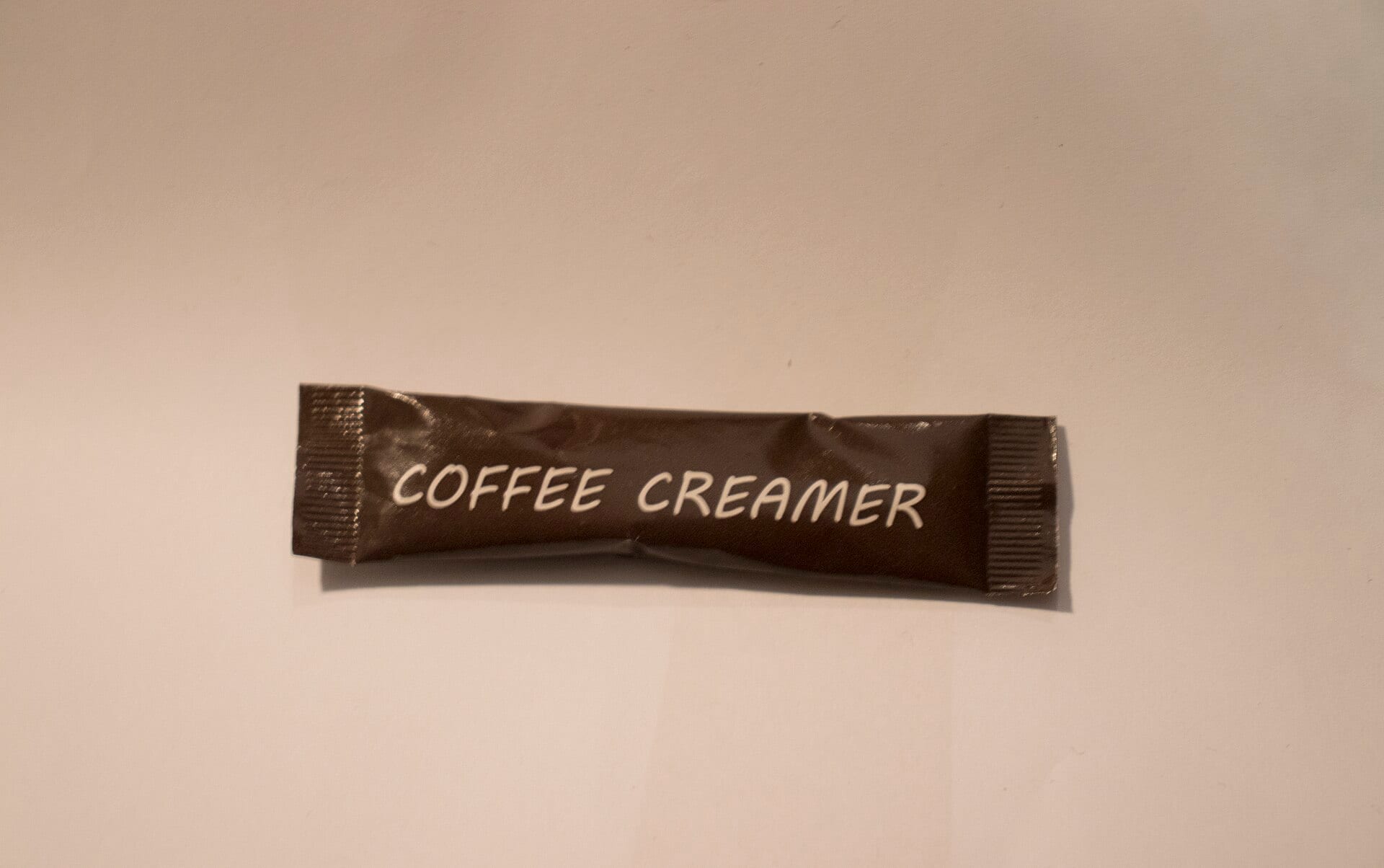
The main driver was non-dairy creamer. Its use went from 3.37 to 8 grams a day, and by 2018 it was the largest source of added coffee calories, at 18.5 a day, ahead of sugar at 16 and dairy milk at 11. In 2003 it had contributed under 8. Non-dairy milk use also climbed, from 0.27 to 2.45 grams a day, while dairy milk, sugar and sugar substitutes showed no statistically significant change.
Pan noted that non-dairy creamers can be high in saturated fat, which is dense in calories, and that they have grown in popularity as people look for plant-based alternatives.
Coffee, sleep and work
The study also looked at routines. People who slept fewer hours drank more coffee on average, and so did people who worked longer hours. Coffee intake was similar between people with higher and lower overall diet quality.

The authors point out the limits of dietary recall: people misremember, and two days don't always reflect a usual week. Seventeen extra calories a day is also a small number on its own. The interest is in the direction, and in which additions are behind it.
Where Soma fits
What we like about this study is that the headline habit didn't change and the details did. The same cup, the same routine, quietly carrying more over fifteen years. Small, steady shifts like that are easy to miss in any single day.
Soma doesn't track what you eat or drink, and it's a general wellness product, not a medical device. Soma Axon, the pod we're still building, is designed to take the same readings under the same conditions once a week, with someone from Soma asking about your recent routine before each visit, so slow changes show up against your own baseline. Every value will come with its margin of error. The same instrument, every week explains the idea.
Sources, as of October 22, 2026: Pan, Zhou and Zhang, Trends in the Consumption of Coffee and Coffee Additions Among U.S. Adults Aged 20+ Years, The National Health and Nutrition Examination Survey 2003–2018, Journal of the Academy of Nutrition and Dietetics (October 2026); Tufts University, release via ScienceDaily. This post describes research and isn't medical or nutrition advice.