A Swedish trial wants blood and urine to show what people actually ate
The BARITONE protocol, from the University of Gothenburg, plans to find chemical patterns for meat, fish, plant protein and produce. No results yet, but the design is worth reading.
Soma Labs3 min read
Most of what we know about diet comes from people telling researchers what they ate. Food diaries and questionnaires are useful, and they drift.
A team at the University of Gothenburg wants a second line of evidence. Their study, called BARITONE, was published as a protocol in Frontiers in Nutrition on October 29. It describes how they plan to find patterns of small molecules in blood and urine that reflect recent intake of meat, fish, plant protein, and vegetables, fruit and berries.
There are no results yet. This post is about the plan.

Two groups, one question
The project has two parts. First, a larger sample of adults, 100 to 200 people aged 18 to 65, comes in for a visit. Each person keeps a seven-day weighed food diary in the week before, and gives fasting blood and urine.
Second, a subset of up to 70 of them joins a controlled trial. The team picks people from both ends of habitual produce intake. High means more than 500 grams of vegetables, fruit and berries a day. Low means less than 200 grams.
Recruitment started in fall 2025. The protocol doesn't say whether data collection has finished.
Three weeks, three plates
In the trial, each person eats three diets for one week each, in a random order. One week is meat-based, one is fish-based, and one is vegetarian. A week of their usual eating, logged in a weighed diary, separates each diet week.
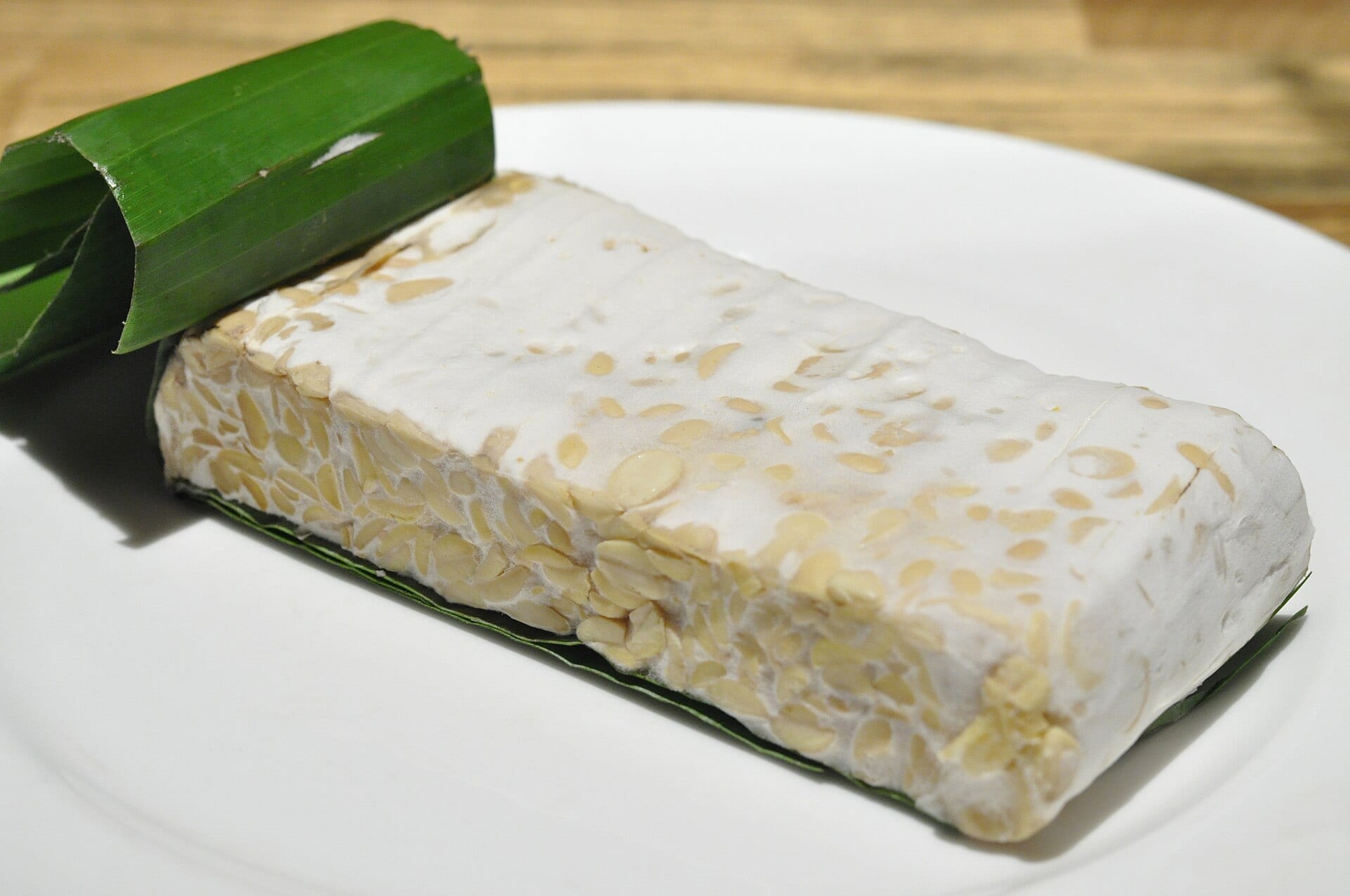
The menus are kept nearly identical on purpose. Breakfast is porridge with apple sauce, dried cranberries and almonds. The snacks are a cheese and cucumber sandwich and a pear muesli bar. Only lunch and dinner change. Lunch is a Stroganoff with rice, made with beef, salmon or soy. Dinner is a noodle stir-fry with beef, cod or tempeh.
Each diet provides about 350 grams of vegetables, fruit and berries a day. Energy is set at one of two levels, about 2,100 or 2,700 kcal, depending on the person. Groceries are delivered to people's homes, and they eat in their normal lives.
For people who usually eat little produce, the trial week is a step up. For people who usually eat a lot, it is a step down. Both directions can be studied.
What they plan to measure
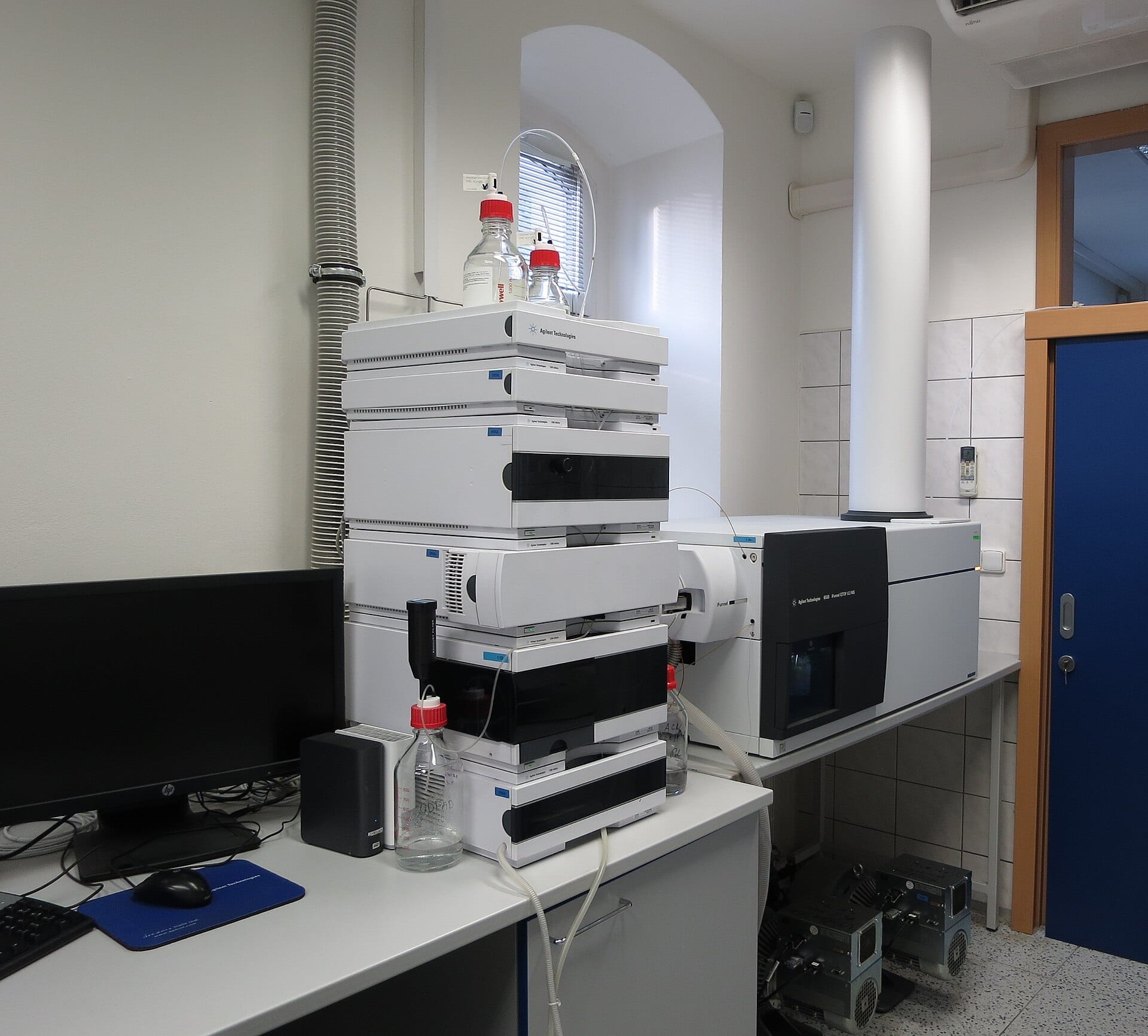
Fasting blood and urine are collected before and after each diet week. The plasma goes to the Swedish Metabolomics Center in Umeå, where mass spectrometry can report about 1,600 untargeted and 300 targeted metabolites on one platform, plus about 80 on another.
The main outcome is simple to state. Do plasma metabolite patterns differ at the end of the meat, fish and vegetarian weeks? The team then plans to build a model that predicts protein source from those patterns, and test it on the larger group's food diaries. A separate cohort of vegans, omnivores and vegetarians is planned for outside checks.
They also want to group people by how their chemistry responds to the same food.
The limits they name
The authors are direct about the weak points. The participants are self-selected and interested in diet, so they don't represent a population. The trial foods aren't chemically analyzed, so batch differences can't be measured. Broad food groups may hide markers that only show up for specific foods.
Still, the logic is sound. A marker found under controlled eating is only useful if it also shows up in ordinary eating. BARITONE is built to test both.
Where Soma fits
Soma is a general wellness product, not a medical device. It doesn't diagnose anything, and it doesn't measure what you eat or the molecules in your blood. Soma Axon, the pod we are still building, uses the same light, cameras and stance every week, and shows each value with its margin of error, so a change over time is easier to trust. We wrote more about that in The same instrument, every week.
Sources, as of October 31, 2026: Oberrauter, Lindqvist and Winkvist, Frontiers in Nutrition, published under CC BY 4.0. Trial registration NCT07128940. This post describes research and isn't medical advice.