Confidence in the kitchen goes with better eating
A national survey of 4,453 US adults found that people with more food agency, the skills, confidence and means to cook, made dinner at home more often, ate fast food less often and scored higher on diet quality.
Soma Labs3 min read
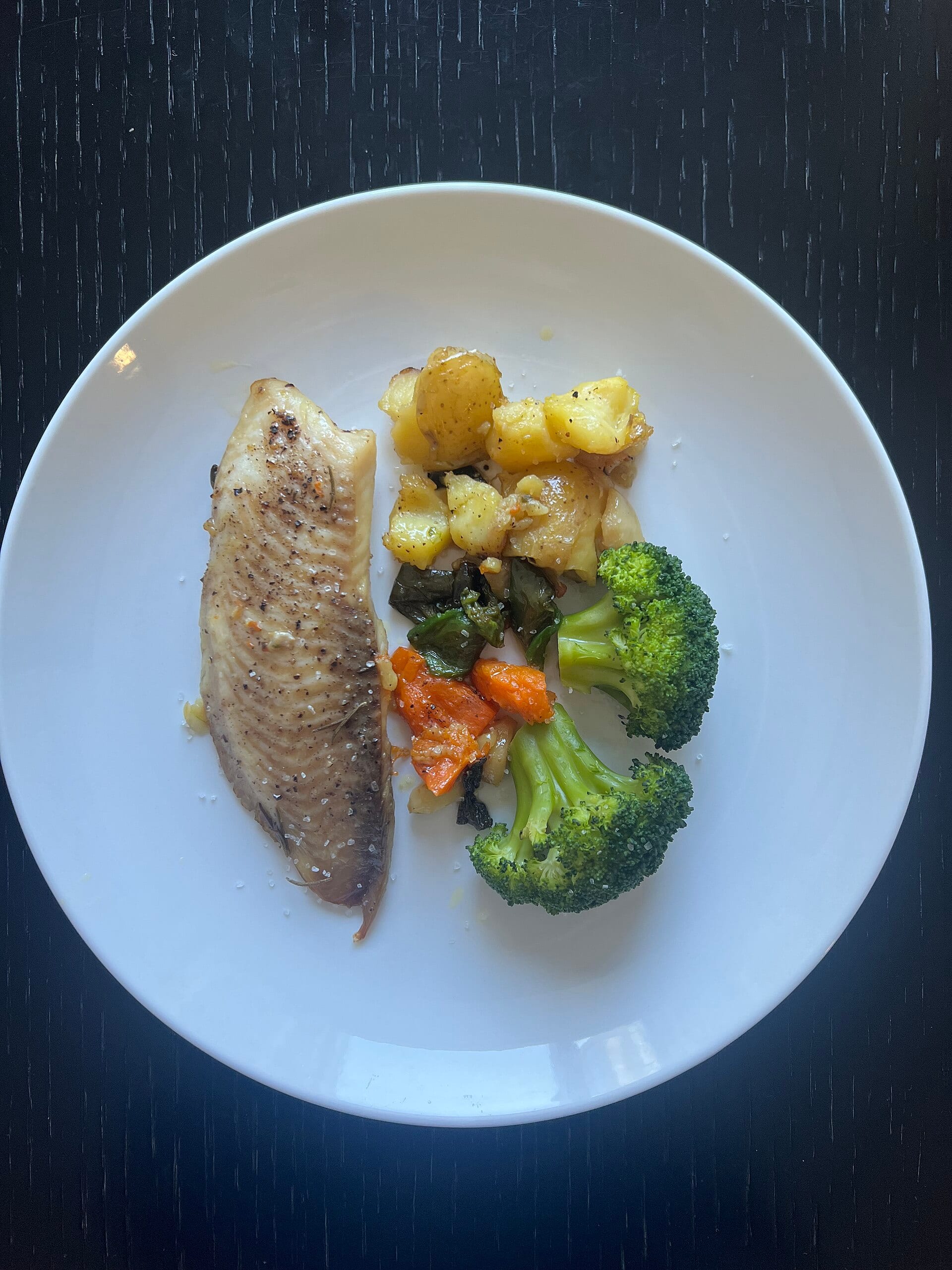
Advice about eating well usually focuses on what to eat. A study published on October 22 in Public Health Nutrition looks at something that comes before that: whether people feel able to cook at all.
What the researchers measured
The team, from the Johns Hopkins Bloomberg School of Public Health with a co-author at the Harvard T.H. Chan School of Public Health, ran a national web survey of US adults in November 2023. It included 4,453 people.
The survey measured food agency, a term researchers use for a person's capacity to plan and prepare meals. It covers how confident people feel in the kitchen, their attitudes toward cooking and the practical barriers in their way, like time, equipment or cost. Participants also reported how often they cooked dinner at home and ate fast food, and answered a questionnaire that scores overall diet quality.
What they found
The researchers compared the quarter of people with the most food agency against the quarter with the least, after adjusting for factors like age, income and education.
People in the top group cooked dinner at home more often, about 27% more by the study's measure. Their predicted dinner cooking frequency was 5.37, against 4.09 for the bottom group. They ate fast food less often, about 26% less, with predicted values of 4.74 against 6.83. And their diet quality scores were higher, 57.2 against 50.8.
Each part of food agency pointed the same way. More confidence, more positive attitudes and fewer practical barriers all went with more home cooking, less fast food and better diet quality.
What it doesn't show
This is a cross-sectional survey: everything was measured at one point in time and self-reported. It shows that food agency and eating habits go together, not that building cooking confidence would change what someone eats. People who already eat well may also enjoy cooking more.
Still, the result suggests that nutrition advice may land better when it comes with practical help, like basic cooking skills and ways around the barriers people actually face.
Where Soma fits
What we take from this is that habits rest on capacity. Knowing what to eat matters less if cooking feels out of reach, and small changes in skill or setup may move more than another list of rules.
Soma doesn't track diet, and it's a general wellness product, not a medical device. Soma Axon, the pod we're still building, is designed to take the same readings under the same conditions once a week, so that the effect of changing a habit can show up over time against your own baseline, each value with its margin of error. The same instrument, every week explains the idea.
Sources, as of October 23, 2026: Choi, Tucker, Leung and Wolfson, Associations between food agency and dinner cooking frequency, fast-food frequency and diet quality among US adults, Public Health Nutrition (October 22, 2026), open access under CC BY 4.0. This post describes research and isn't nutrition advice.