How often does a wearable need to look?
A new study tested how slowly an activity tracker's motion sensor can sample before its numbers drift. Twenty readings a second held up for most everyday movement; ten did not, and the answer depended on the activity and where the sensor sat.
Soma Labs3 min read
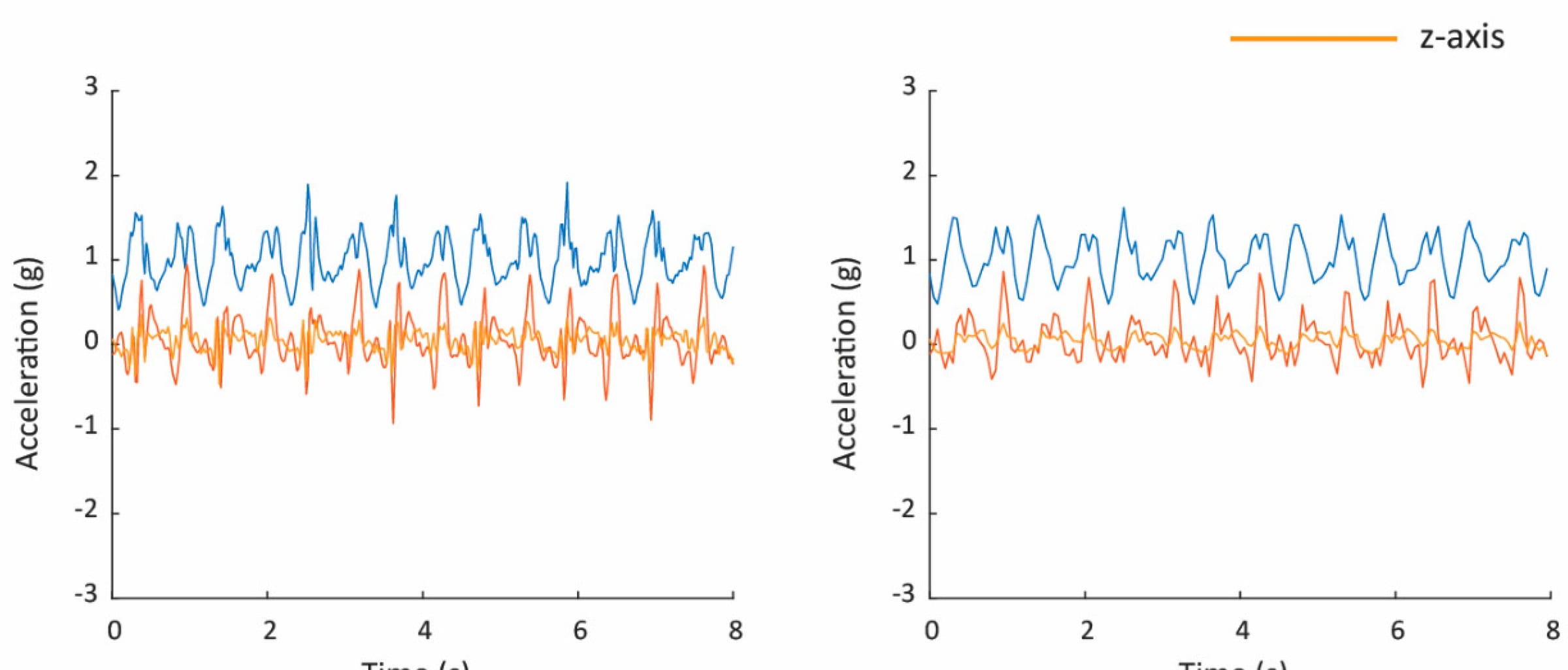
Every step count and activity score starts with an accelerometer, a tiny sensor that measures movement many times per second. How many times matters. Sampling faster captures more detail but drains the battery and fills memory. Sampling slower saves both, at some point at the cost of the numbers themselves.
A study published on October 22 in the open-access journal Sensors tries to put that point on a map.
What was tested
Marcin Straczkiewicz of AGH University of Krakow pooled 315 hours of labelled accelerometer recordings from 321 people, drawn from 11 publicly available datasets. The recordings covered walking, climbing stairs, running, cycling, jumping, household tasks, riding in vehicles and sitting still, with sensors worn at different places on the body.
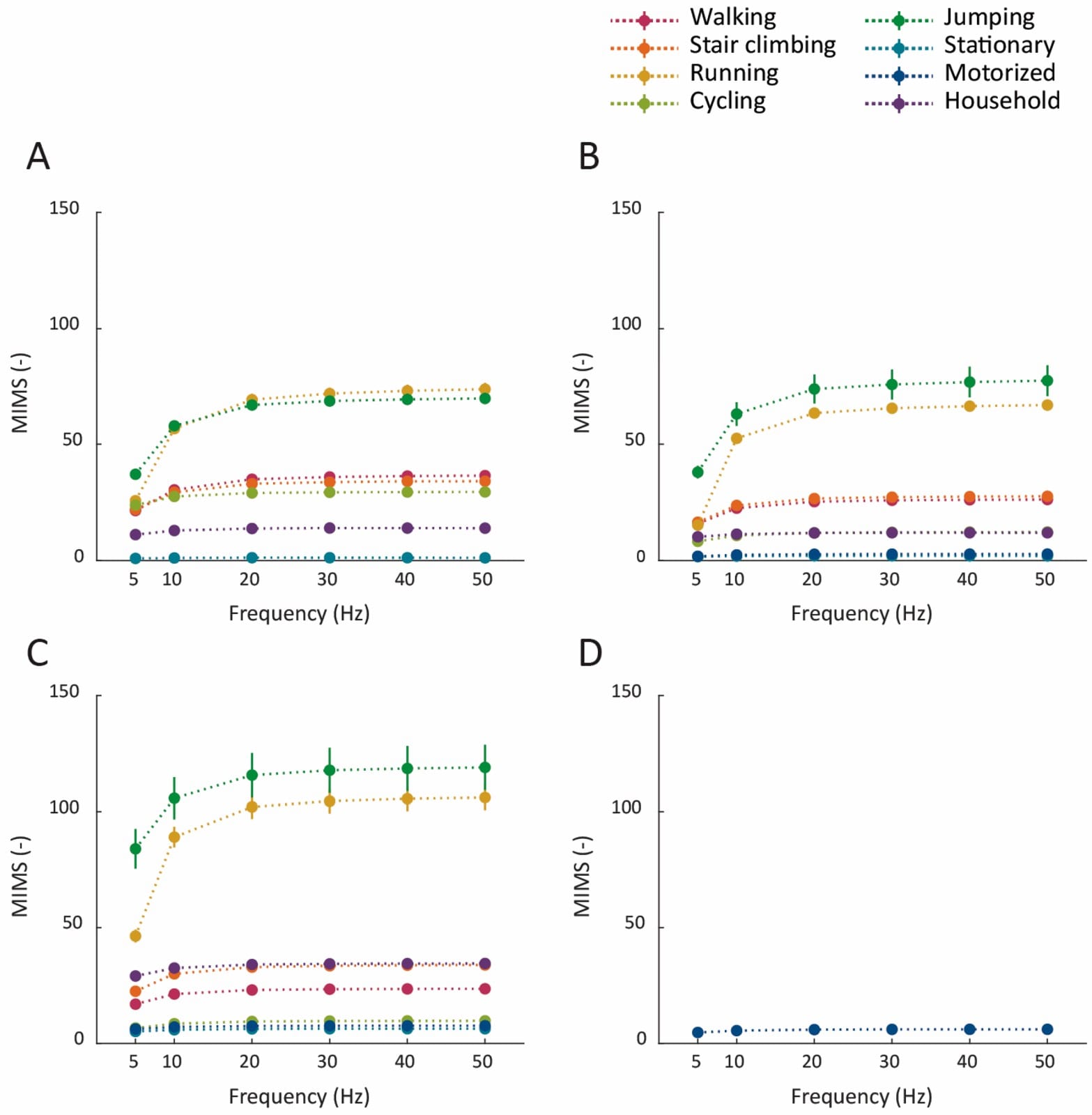
He converted all of them to a common rate of 50 readings a second, then resampled them down to 40, 30, 20, 10 and 5 per second. At each step he recalculated several measures that researchers commonly report, including MIMS and ENMO, two standard summaries of how much a person moved, and compared them with the 50-per-second reference.
Where the numbers start to drift
For MIMS, 20 readings a second stayed within a 5% error margin, set in advance, for many conditions: walking, stairs, cycling, jumping, household activity and riding in vehicles. Running was the exception. At 20 per second it went past the margin when the sensor was on the leg or trunk.
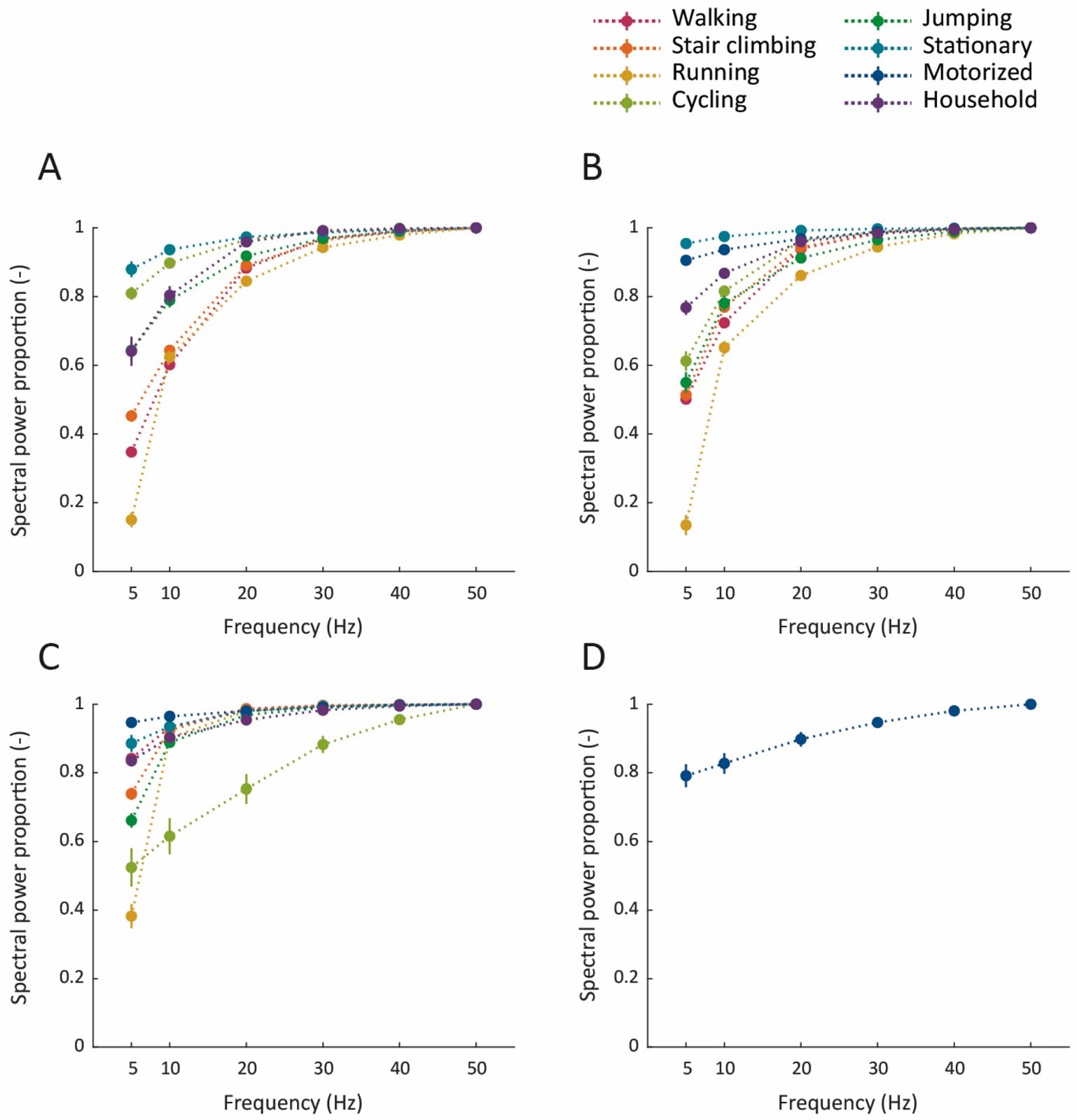
At 10 readings a second, errors grew for most kinds of moving around. For walking and running, only about 60% to 72% of the signal's power survived, even though the basic rhythm of the stride was still there. The errors in MIMS weren't linked to age, sex or body size, though small differences by sex showed up in two of the other measures.
No single right answer
The conclusion is practical: there's no universal sampling rate. What's enough depends on which measure you want, which activity you care about and where the sensor is worn. A wrist device logging daily walking can get away with less than one meant to capture running on the shin.
It also explains why two devices, or two studies, can report different numbers for the same day. Part of the difference may simply be how often each sensor was looking. The study uses public lab-style datasets, so it describes the measurement itself rather than any particular commercial product.
Where Soma fits
We find this kind of work reassuring, because it treats measurement as something to test rather than assume. A number is only comparable when you know how it was produced, and small technical choices can move it.
Soma doesn't track activity through the day, and it's a general wellness product, not a medical device. Soma Axon, the pod we're still building, is designed so that each reading is taken the same way every week, with the same setup and conditions, and every value comes with its margin of error. The same instrument, every week explains why that matters to us.
Sources, as of October 23, 2026: Straczkiewicz, Sampling Frequency Requirements for Estimating Physical Activity Metrics from Wearable Accelerometer Data, Sensors (October 22, 2026), open access under CC BY 4.0.