Passing through greener places went with sharper short-term memory, but only after a stressful moment
A study in Gerontology tracked 123 adults aged 65 to 89 with GPS and a smartphone for two weeks. More greenery than usual in the past two hours went with better working memory, but only when something stressful had just happened.
Soma Labs3 min read
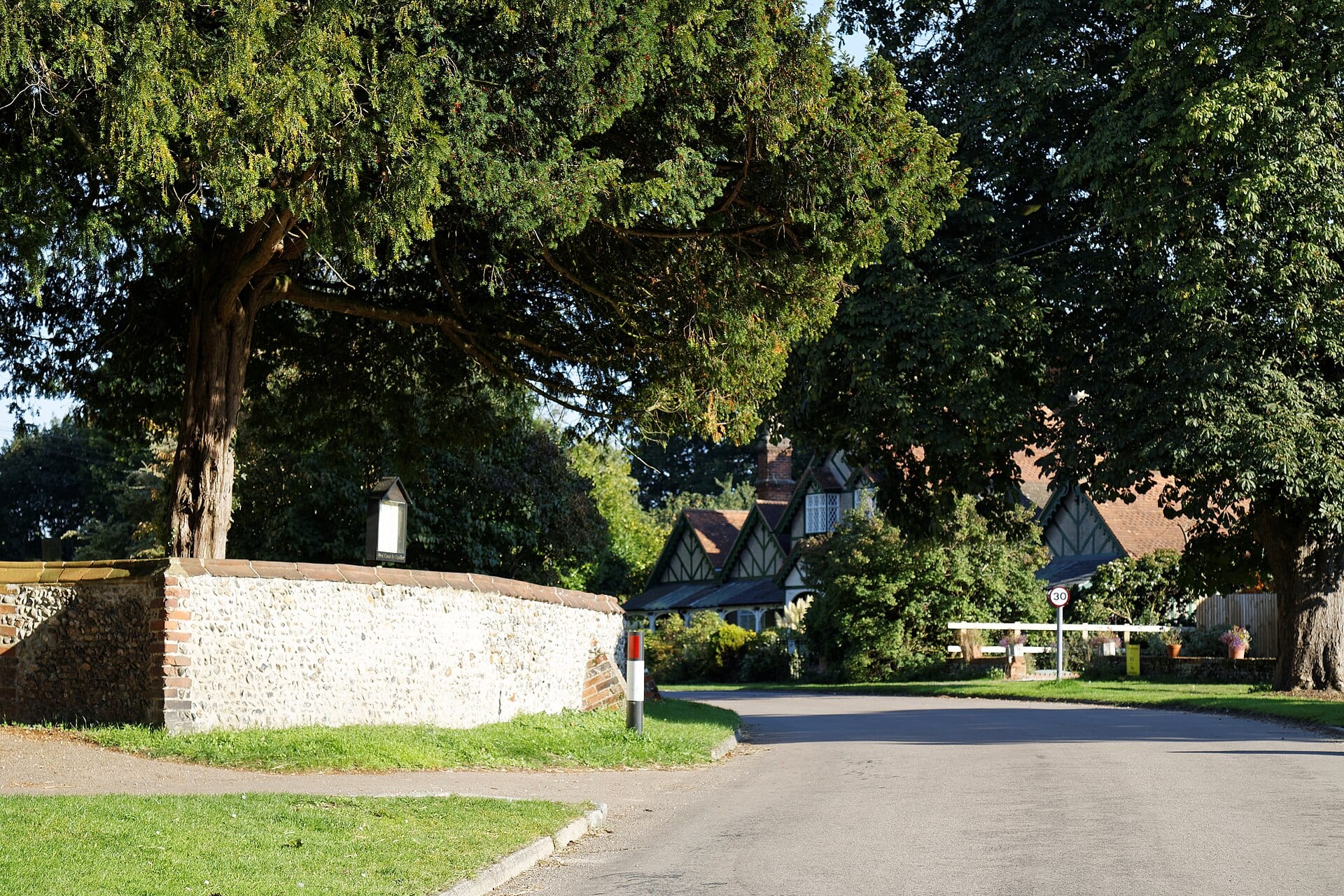
Research on green space usually asks about where people live. A leafy neighbourhood is compared with a less leafy one. A study published on October 21 in Gerontology asked a finer question. Does the greenery you pass through in the last couple of hours make a difference, right now?
How the days were tracked
The authors, Luo, Han, Cui, Zhou, Weibel and Röcke, followed 123 adults aged 65 to 89 for two weeks. Each person wore a GPS device that recorded where they went, and carried a smartphone.
About every two hours, roughly seven times a day, the phone asked them to do a short working memory task and to report whether anything stressful had happened. Across everyone, that added up to 4,844 assessments.
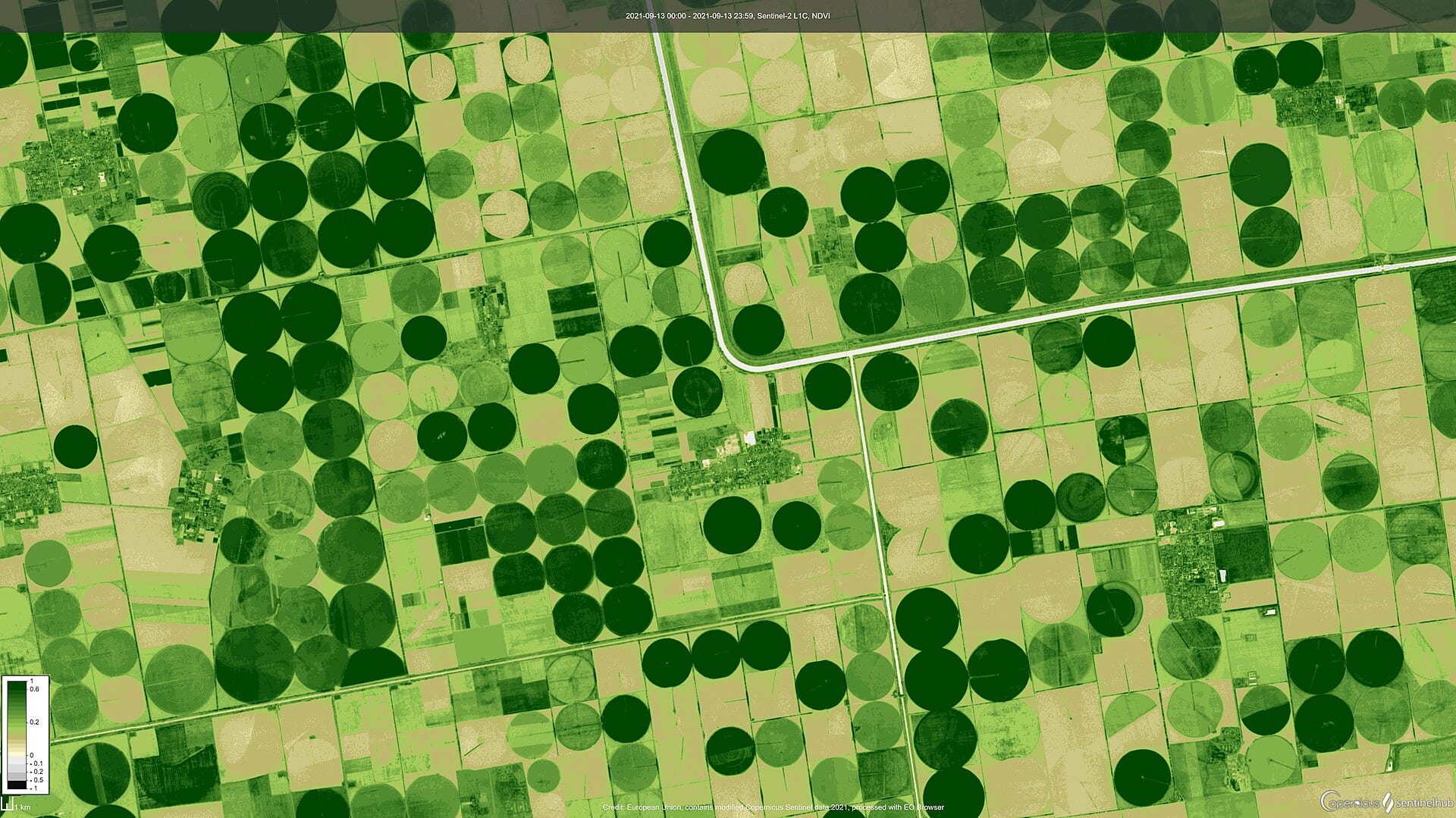
Greenery was measured from satellite data using NDVI, a standard index of how much living vegetation there is in a place. The team counted it within different distances around each person's path, from 50 to 300 metres.
What the moments showed
On its own, a greener-than-usual two hours didn't clearly go with better working memory. The link showed up in combination with stress. When a person had just reported a stressor, more greenery than usual in the past two hours went with better than usual working memory.
The authors read this as a needs-based effect. Greenery seemed to help most when there was something to recover from.
Across people, those with more greenery overall over the two weeks also did better on the memory task.
The detail that matters
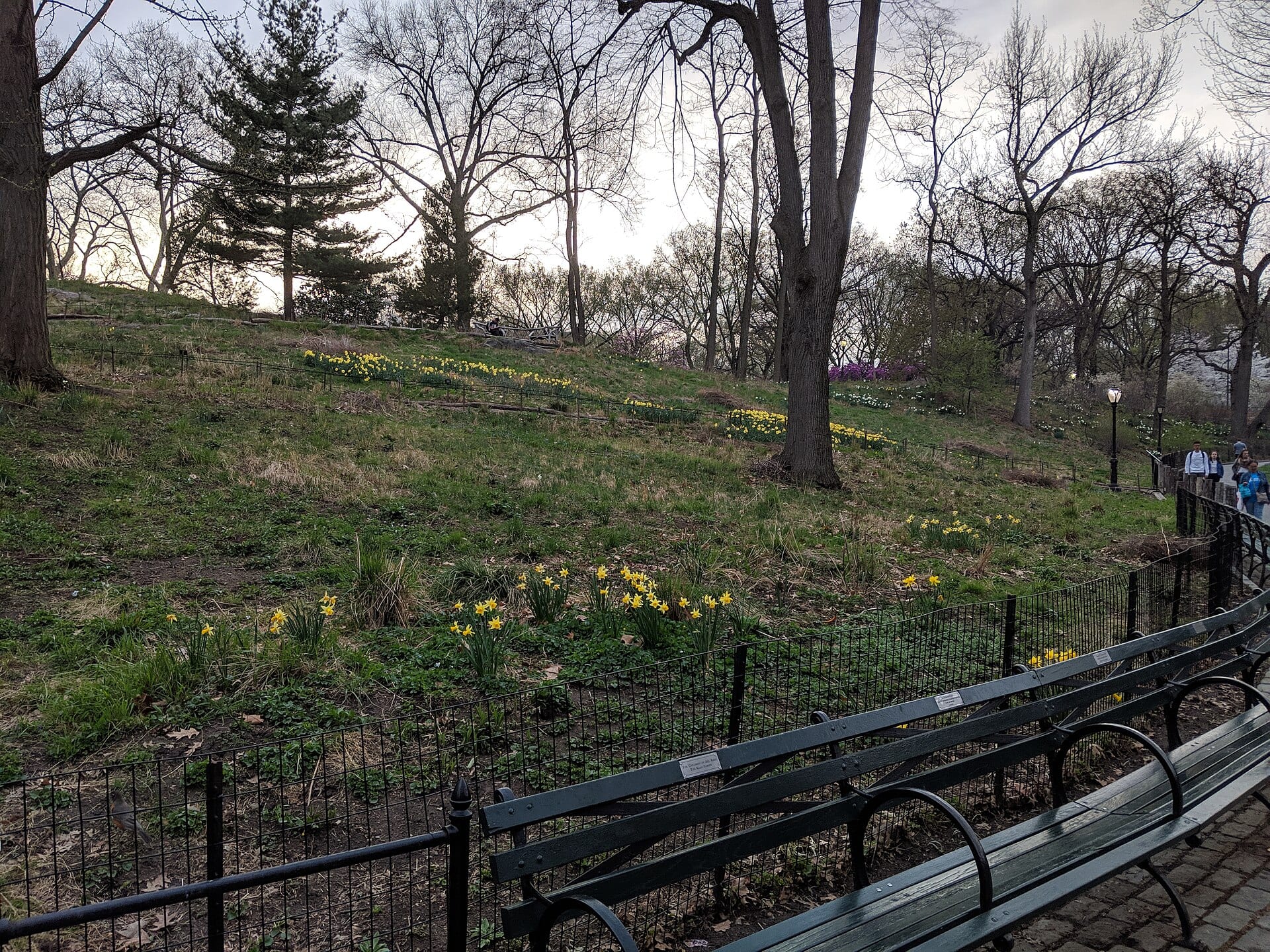
The supplementary tables show how much the result depends on how greenery is counted. The combined effect of recent greenery and recent stress was clear when greenery was measured within 200, 250 or 300 metres. It was not clear at 50 or 100 metres.
The difference between people was the other way around. It was clear only at 100 metres, and not at the other distances.
That doesn't make the findings wrong. It does mean they are sensitive to a choice the researchers had to make, and a different choice could give a different picture.
What it can't say
This is observational. People chose where they went, and the study can't show that greenery caused the better scores. Something else about those moments, or those people, could explain part of the link.
It also covers one group of older adults over two weeks. And it describes short-term task performance, not anyone's long-term health.
Where Soma fits
We like this study for its design. It looked at the same people many times a day and compared each moment with that person's own usual level. That is what lets small, context-dependent effects show up at all.
Soma is a general wellness product, not a medical device. It doesn't diagnose anything, and it doesn't measure memory or track location. Soma Axon, the pod we are still building, uses the same light, cameras and stance every week, and shows each value with its margin of error, so a change over time is easier to trust. We wrote more about that in The same instrument, every week.
Sources, as of October 26, 2026: Luo, Han, Cui, Zhou, Weibel and Röcke, Gerontology and its supplementary tables, published under CC BY 4.0. This post describes research and isn't medical advice.