A body composition reading and everyday habits lined up with muscle and bone in 21,340 adults
A study in the Journal of Health, Population and Nutrition looked at lifestyle and phase angle, a reading from bioelectrical impedance, alongside grip strength and bone status. People with healthier habits and higher phase angle were less likely to have low strength and low bone status together.
Soma Labs3 min read
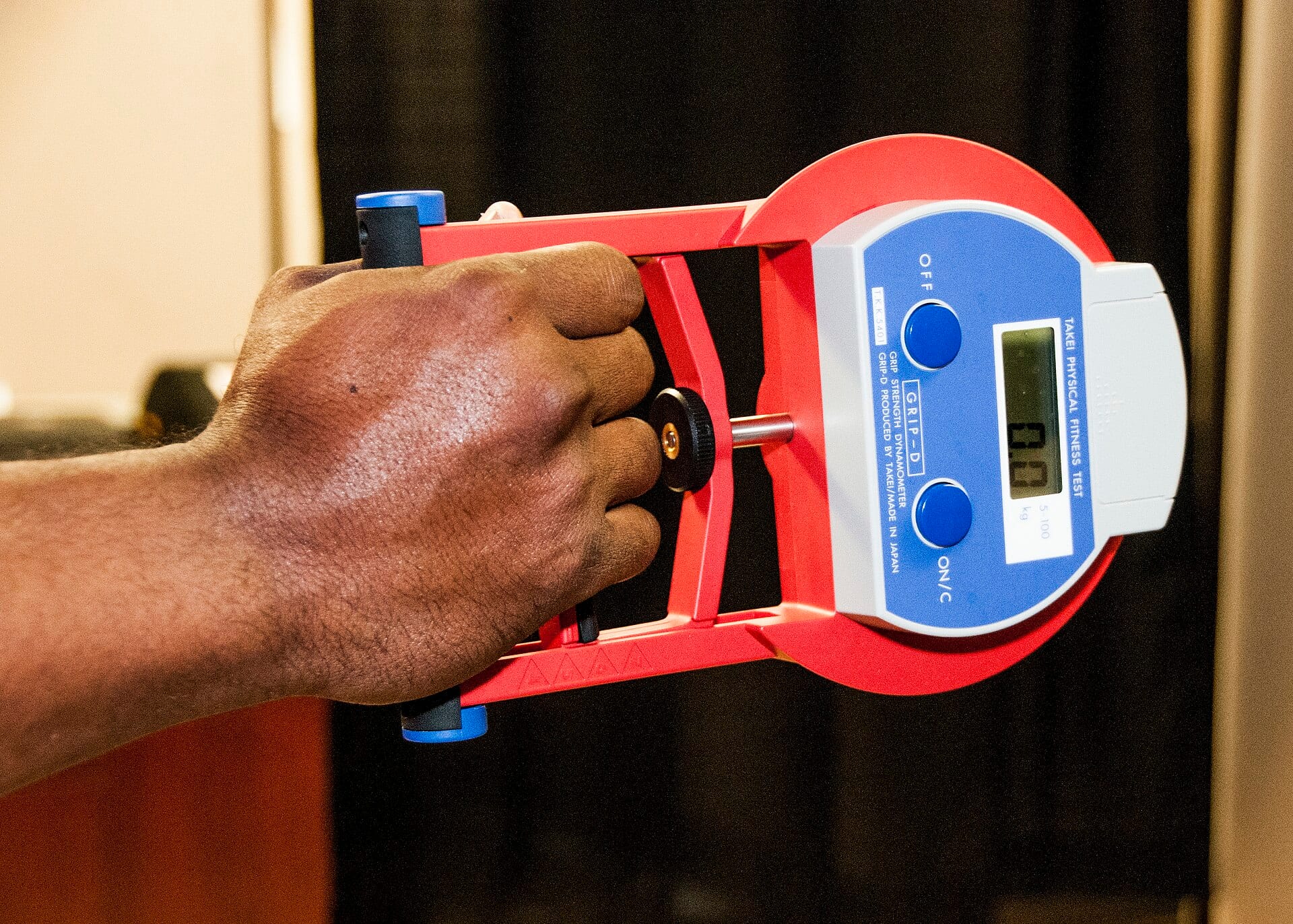
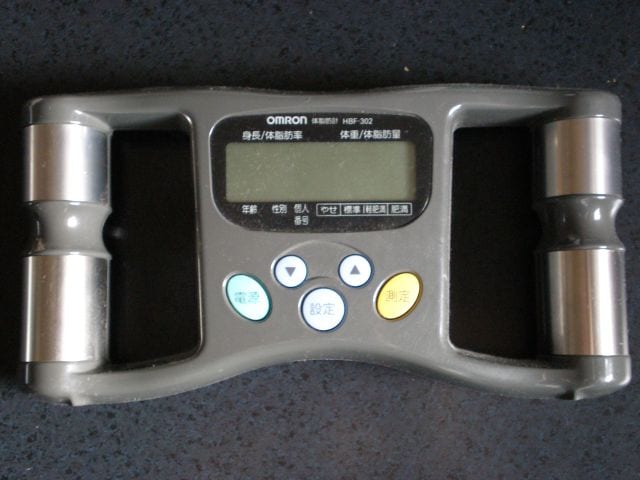
Phase angle is one of the less familiar numbers that comes out of a bioelectrical impedance reading, the same family of measurement used by many body composition scales. A study published on October 25 in the Journal of Health, Population and Nutrition looked at how it, and everyday habits, line up with muscle and bone.
Who was measured, and how
The authors, Xu, Hu, He, Chen, Tu and Ran, used data from 21,340 adults in the China National Health Survey. It is a cross-sectional study, so everyone was measured once.
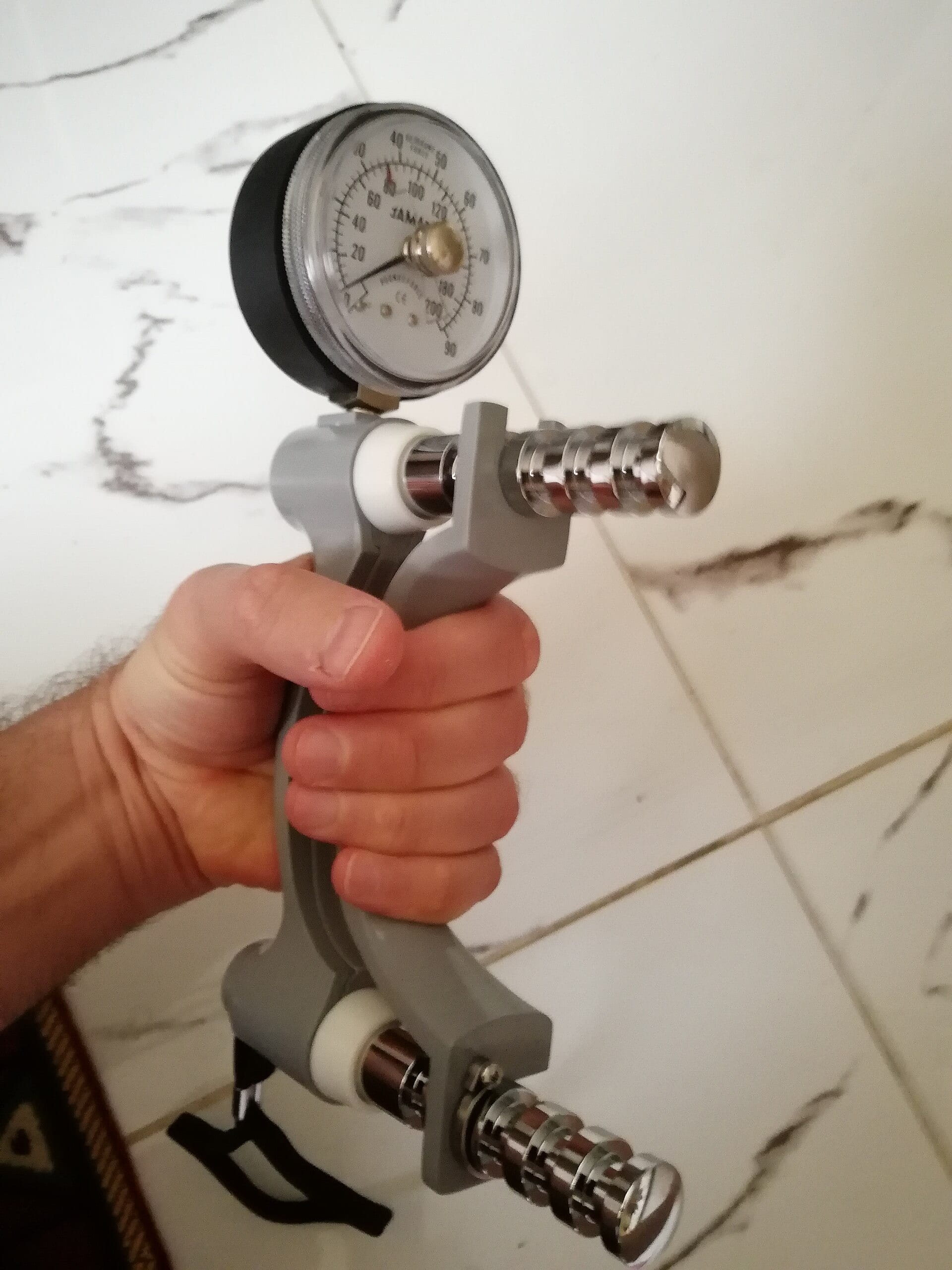
Phase angle was measured with multifrequency bioelectrical impedance. Bone status was measured with ultrasound at the heel. Muscle strength was measured by grip strength, using set cut-offs for what counts as low.
Each person also got a lifestyle score built from four parts: smoking, alcohol, physical activity and diet.
What lined up
People with high lifestyle scores, compared with low ones, had lower odds of low grip strength, with an odds ratio of 0.69. They also had lower odds of low bone status, at 0.76, and of having both at once, at 0.56.
Phase angle told a similar story, with a difference between men and women. For having low strength and low bone status together, men in the highest quarter of phase angle had an odds ratio of 0.39 compared with the lowest quarter. In women it was 0.82, and that estimate was not clearly different from no effect. The authors did not find a significant difference between the sexes for this combined outcome, but they did for strength and bone status measured separately.
The lowest odds of both together were in people who had a high lifestyle score and a high phase angle, with an odds ratio of 0.33.
What it can't tell us
This is a snapshot. Because everyone was measured once, the study can't show that habits or phase angle lead to stronger muscles or bones. People with stronger muscles may, for example, find it easier to stay active. The authors call for longitudinal studies to test the link over time.
The cut-offs for low strength and low bone status come from set definitions, and moving them would change the numbers. The study also covers one national population.
Where Soma fits
What interests us is the idea of reading several signals side by side. A single number rarely tells the whole story, and the pattern across habits, body readings and strength said more here than any one of them.
Soma is a general wellness product, not a medical device. It doesn't diagnose anything, and it doesn't measure phase angle, grip strength or bone. Soma Axon, the pod we are still building, uses the same light, cameras and stance every week, and shows each value with its margin of error, so a change over time is easier to trust. We wrote more about that in The same instrument, every week.
Sources, as of October 28, 2026: Xu, Hu, He, Chen, Tu and Ran, Journal of Health, Population and Nutrition. This post describes research and isn't medical advice.