In elite football, how unbroken sleep was mattered more than how long it lasted
A 14-week study in Scientific Reports followed 15 players from an Italian Serie A women's team. Sleep efficiency went with a morning recovery marker, while total sleep time did not. Match days went with lower sleep quality and perceived recovery.
Soma Labs2 min read
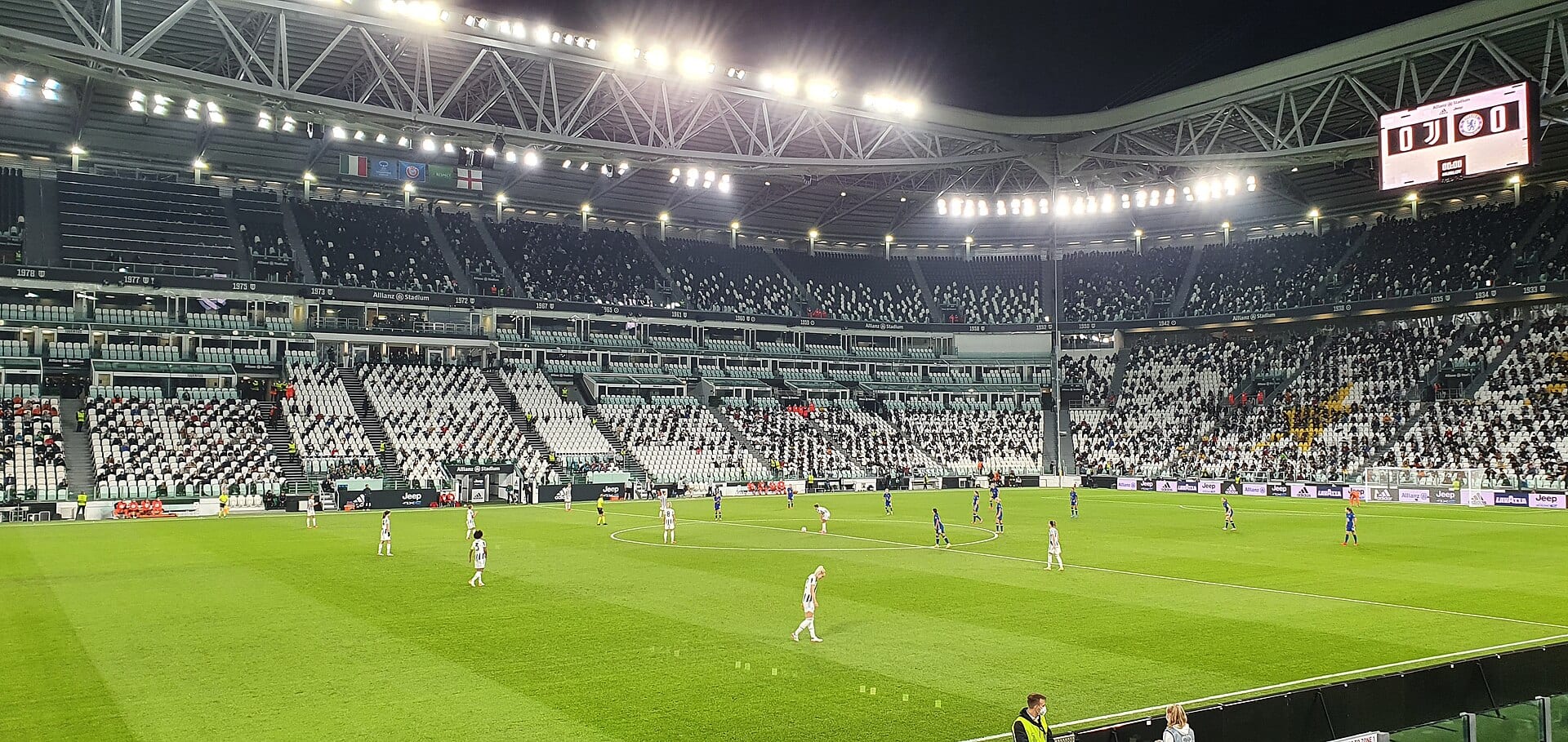
Athletes are often told to sleep more. A study published on October 26 in Scientific Reports looked at a slightly different question in a professional team. Over a season, which parts of sleep tracked with how recovered players actually were?
How the team was followed
The researchers, led by Di Pinto and Curzi, monitored 15 elite players from one Italian Serie A women's team for 14 weeks during a competitive season.
Sleep was recorded with wrist-worn actigraphy and sleep diaries. Each day, players also rated their sleep quality and how recovered they felt on short scales. Every morning, a one-minute seated heart recording gave an autonomic marker of recovery.
Because each player was measured many times, the team used statistical models that compare a player with herself over time, rather than only comparing players with each other.
Continuity over length
When the sleep measures were looked at together, sleep efficiency stood out. Sleep efficiency is the share of time in bed actually spent asleep. Higher efficiency went with a higher morning recovery marker.
Total sleep time did not show a significant link with that marker once efficiency was taken into account.
Length still mattered for how players felt. On nights when a player slept longer than usual, she rated her sleep quality higher and reported feeling more recovered.
Match days stood apart
Match days went with lower self-rated sleep quality and lower perceived recovery than training days and rest days.
The authors' conclusion is that recovery shouldn't be judged from one marker. Objective sleep, self-ratings and the morning heart signal each picked up different things.
How far this goes
Fifteen players from one team is a small group, and the results describe them, not athletes in general. It is also observational. A night of broken sleep and a lower morning reading appearing together doesn't show that one caused the other.
The recovery marker came from a one-minute recording, which is practical in a team setting but brief. And self-ratings can be shaped by how a match went, not only by how someone slept.
Where Soma fits
What we like about this study is that it measured the same people, the same way, every day, and let each one be her own baseline. That is how it could separate the length of sleep from its continuity.
Soma is a general wellness product, not a medical device. It doesn't diagnose anything, and it doesn't track sleep or recovery. Soma Axon, the pod we are still building, uses the same light, cameras and stance every week, and shows each value with its margin of error, so a change over time is easier to trust. We wrote more about that in The same instrument, every week.
Sources, as of October 28, 2026: Di Pinto, Marcelli, Colombo, Bertollo, Sartor, di Fronso and Curzi, Scientific Reports. This post describes research and isn't medical advice.