A decade of measured nights shows sleep moving later in real time
A study in Current Biology followed Toba/Qom communities in northern Argentina from 2012 to 2024. Sleep shifted nearly an hour later in both rural and semi-urban groups, and rural participants lost 35 minutes of sleep.
Soma Labs2 min read

It is widely assumed that electric light and digital devices push sleep later and make it shorter. Direct evidence that follows the same communities over time, though, is scarce. A study published on October 15 in Current Biology, and highlighted by Nature on October 23, did something rarer. It watched sleep change in the same communities over more than a decade.
A long view of the same communities
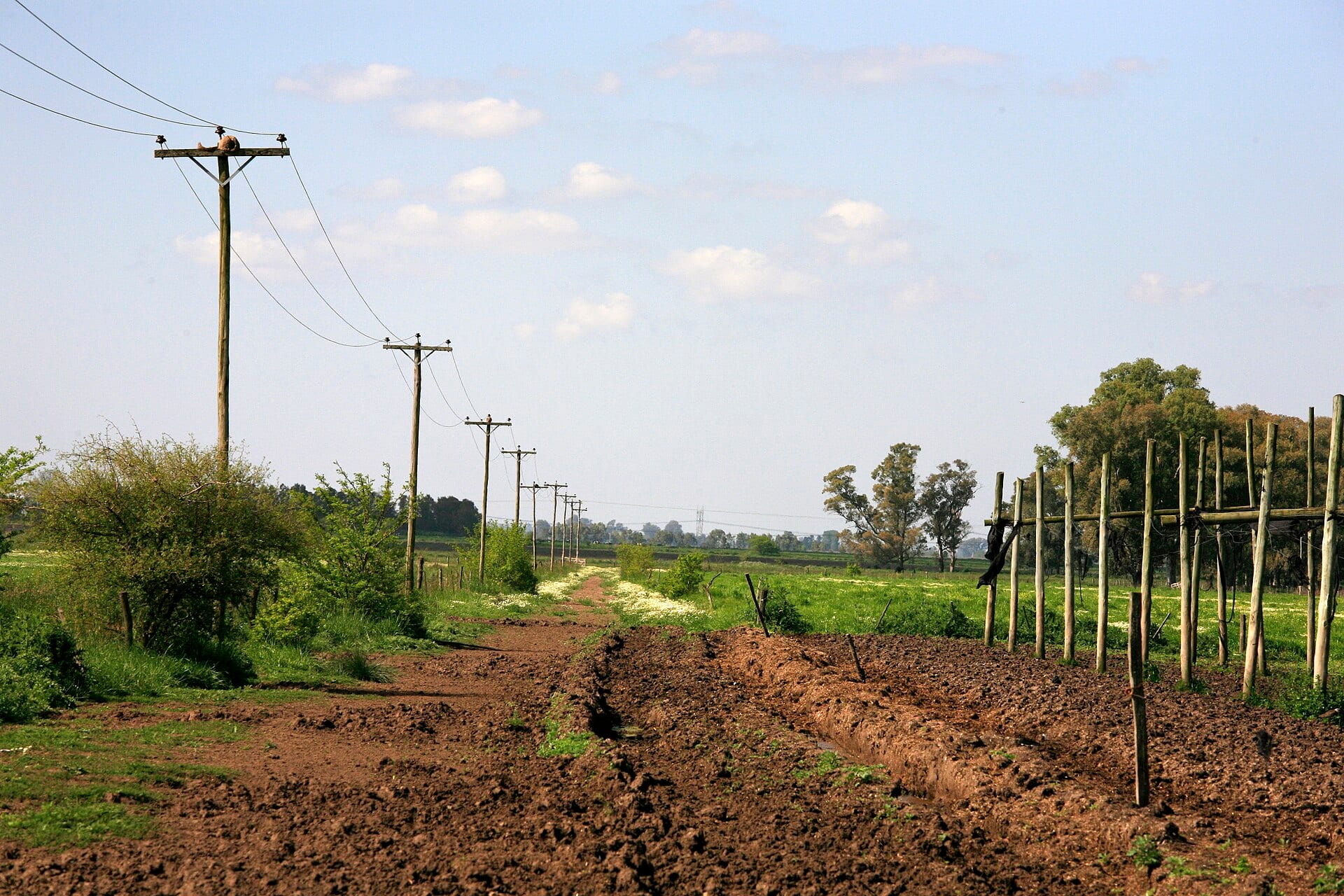
The team, led by Casiraghi, Golombek and de la Iglesia, worked with Toba/Qom communities in northern Argentina from 2012 to 2024. Some of the groups were rural and got electricity only after 2016. Others were semi-urban and had access to electricity earlier.
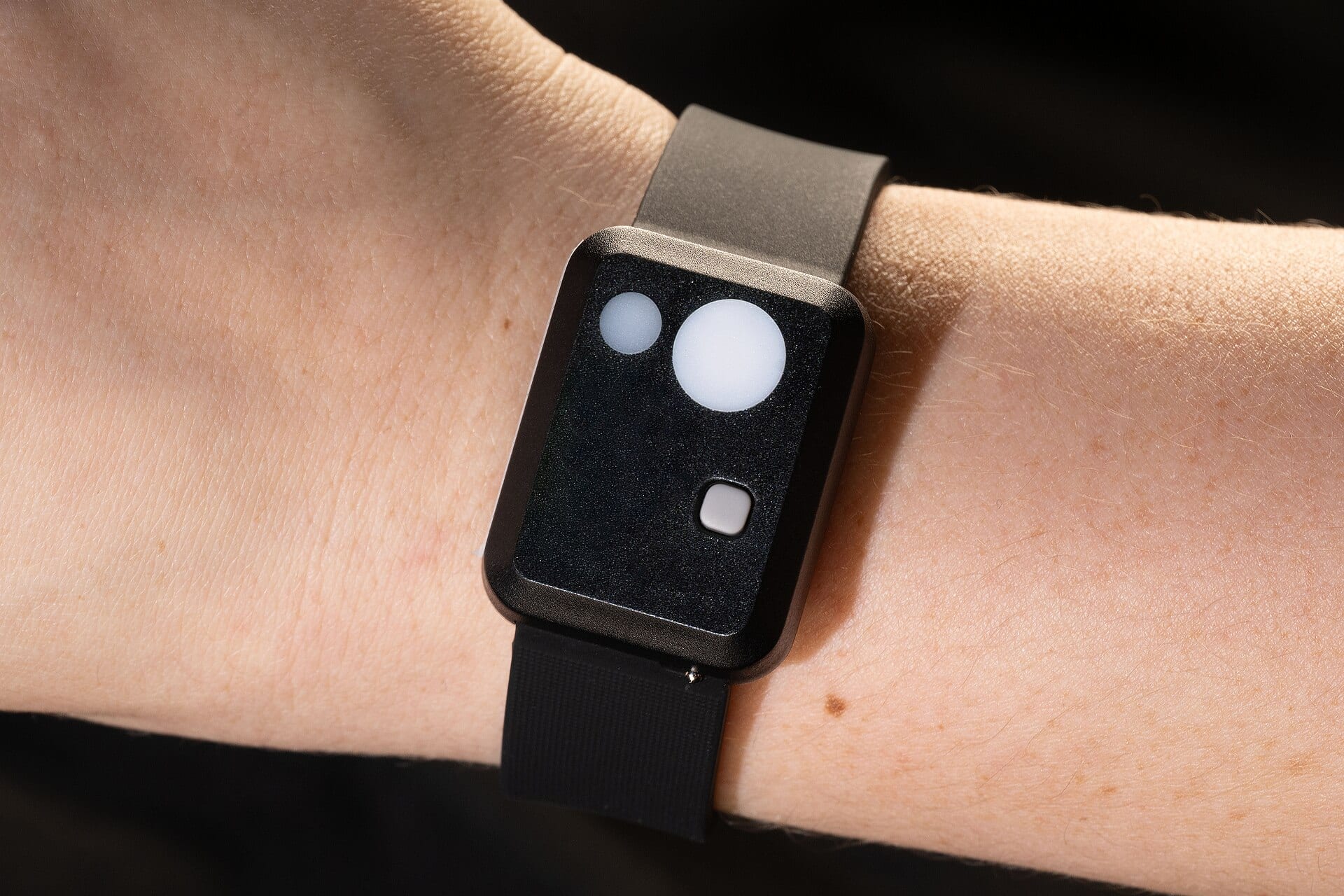
Sleep was recorded with actigraphy, small wrist-worn devices that log movement. Across those years, the team collected more than 12,000 recorded sleep events from 156 participants, measured at different times, and analysed them with statistical models built for repeated measurements.
What changed
Both groups shifted their sleep timing by close to an hour later. Participants from the rural communities also lost 35 minutes of sleep over the course of a decade.
Those years covered two big changes. First, electricity reached the rural communities after 2016. Later, the internet and smartphones spread.
What the authors think explains it
Earlier work in these and other communities has linked both electricity and smartphones with changes in sleep habits. Here, though, the authors' analyses suggest that neither factor fully explains the shift in sleep timing on its own.
They describe the pattern as consistent with broader processes of modernization and change in daily life happening at the same time. In their framing, the communities offer a present-day parallel to the shifts in human sleep that are thought to have come with industrialization elsewhere.
What it can't tell us
The study describes change over time in specific communities. It doesn't show which single factor caused the shift, and the authors are careful not to claim one. With 156 participants measured at different times, the numbers describe these communities, not people in general.
It also doesn't say whether the later, shorter sleep matters for anyone's health. That isn't what was measured.
Where Soma fits
What we find most useful here is the method. The change only became visible because the same kind of measurement was repeated in the same place for twelve years. A single snapshot would have missed it, or blamed the wrong cause.
Soma is a general wellness product, not a medical device. It doesn't diagnose anything, and it doesn't track sleep. Soma Axon, the pod we are still building, uses the same light, cameras and stance every week, and shows each value with its margin of error, so a change over time is easier to trust. We wrote more about that in The same instrument, every week.
Sources, as of October 26, 2026: Casiraghi, Spiousas, Trebucq et al., Current Biology and the Nature research highlight. This post describes research and isn't medical advice.