Five minutes of slow breathing raised heart rate variability in 962 men
A study in the European Journal of Applied Physiology compared normal breathing with breathing at six breaths a minute. Every short-term measure of heart rate variability went up, and the gain was clearer in men who breathed faster at rest.
Soma Labs3 min read
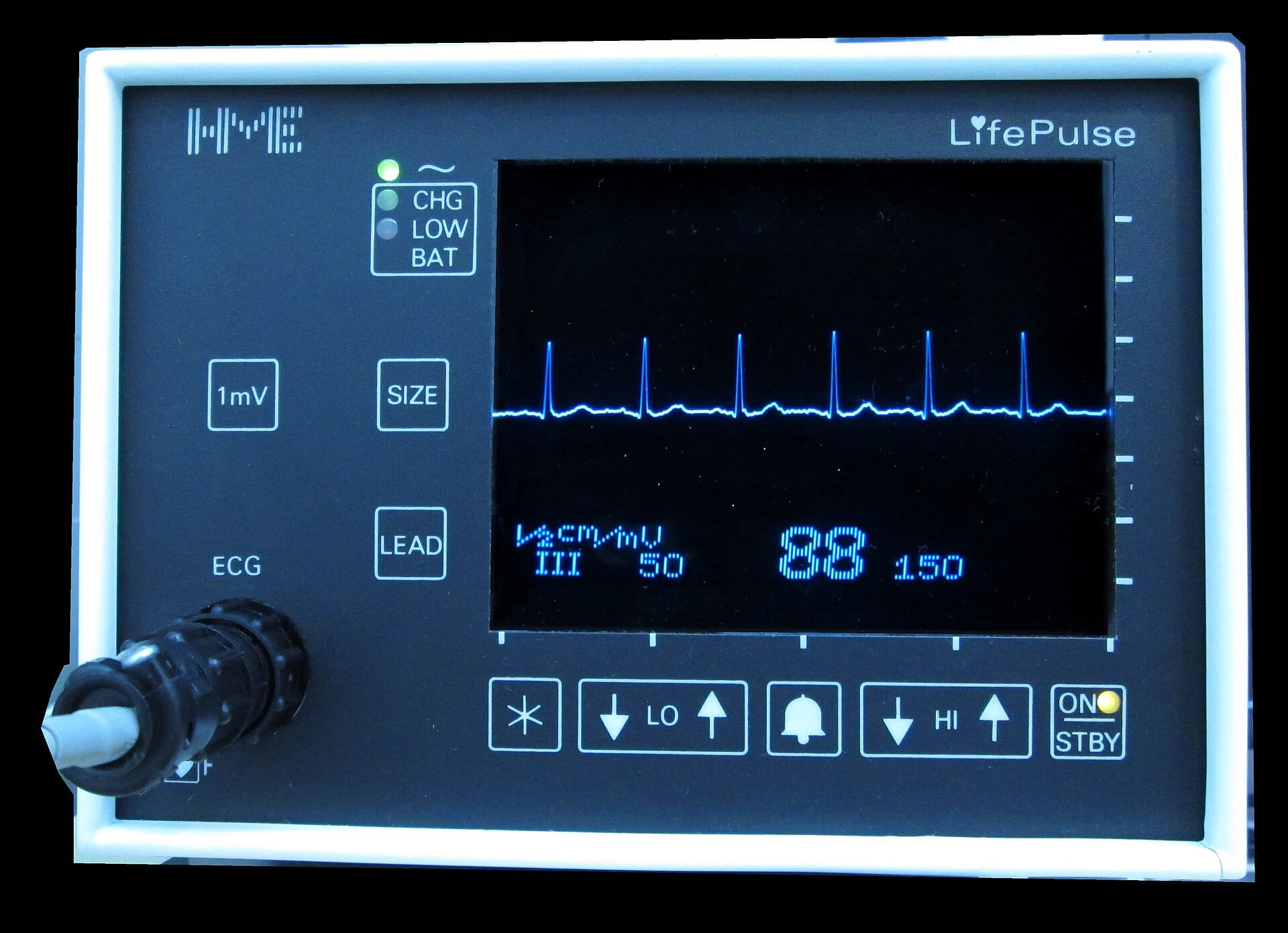
Slow, paced breathing is one of the simplest things people try when they want to settle down. A study published on October 24 in the European Journal of Applied Physiology looked at what it does to heart rate variability in a large group, and at who seems to respond most.
How the comparison worked
The authors, Maqsood, Schofield, Bull, Fear, Kemp and Bennett, used data from the ADVANCE cohort. It follows British men who served in Afghanistan between 2003 and 2014, recruited in two matched groups. This analysis used the first follow-up visit, on average 11 years after deployment.
Each man had a single-lead heart recording for five minutes of normal breathing, then five more minutes breathing at a set pace of six breaths a minute. The team compared short-term heart rate variability between the two, in 962 men with a median age of 37.6.
They also checked whether the effect depended on a few things measured at the same visit: which of the two study groups a man belonged to, his breathing rate at rest, how far he walked in six minutes, and how much moderate-to-vigorous activity he reported.
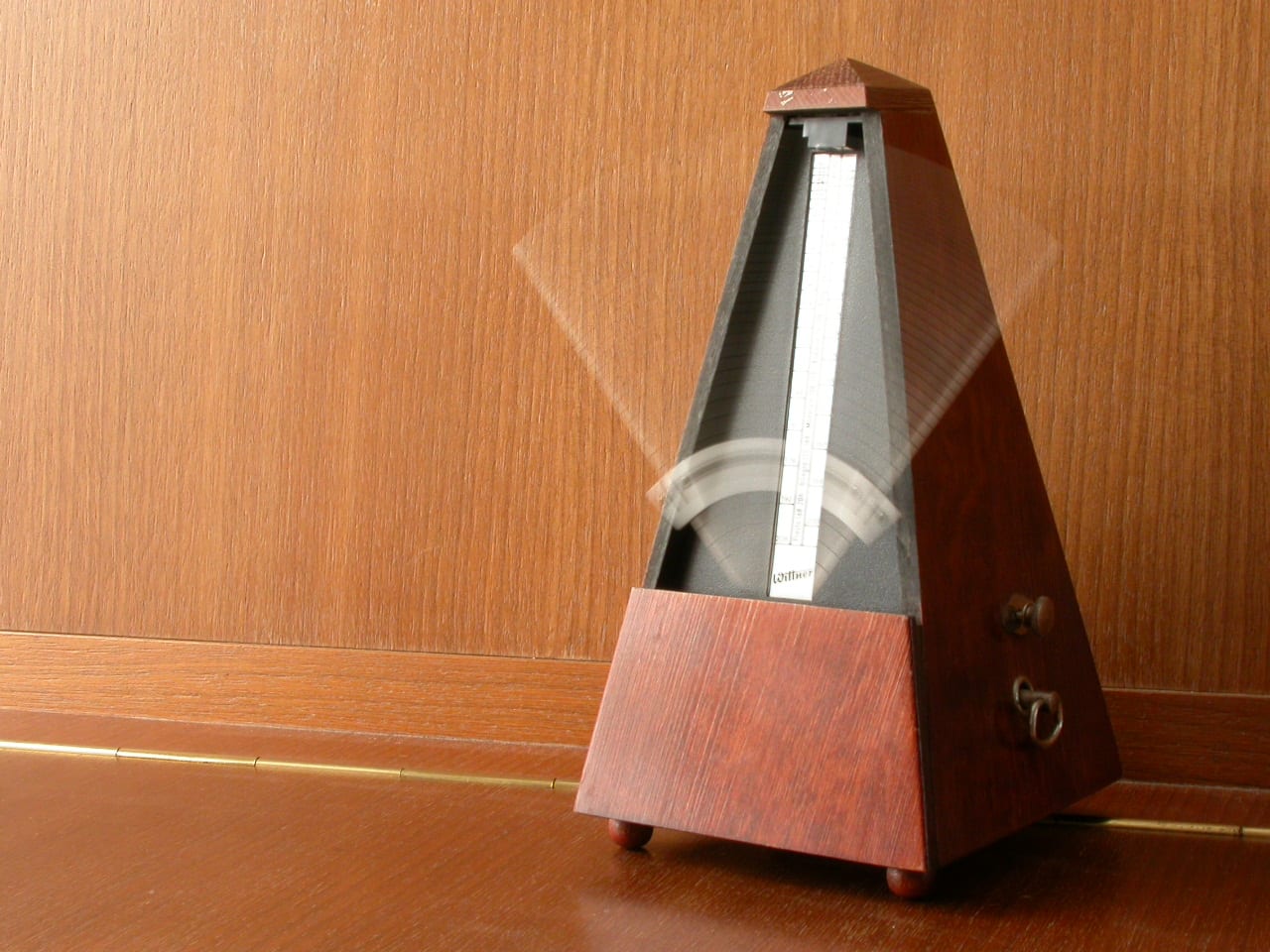
What changed during slow breathing
Every short-term heart rate variability measure went up during the paced breathing. For RMSSD, a common measure of beat-to-beat variation, the median increase was 12.12 milliseconds.
Most of the factors the team tested made no clear difference. The effect was similar across the two study groups, and walking distance and reported activity didn't change it either.
Breathing rate at rest did. In men who breathed 15 times a minute or more at rest, RMSSD went from 15.57 to 21.89 milliseconds during the slow breathing, and the authors found this group more likely to see a clear gain.
What it doesn't show
This was one five-minute session, always done after the normal-breathing block. There was no recording afterwards, so the study can't say how long the change lasts, or what regular practice would do over weeks.
The group was all men, from one specific population, so the results may not carry over to women or to people with different backgrounds. And heart rate variability is a sensitive measure that moves with posture, time of day and many other things, which is why the authors used a standardized collection procedure.
Where Soma fits
What stands out to us is how much the starting point mattered. The same five minutes produced a bigger change in people whose resting rhythm was different to begin with, and you only see that if the baseline is measured carefully.
Soma is a general wellness product, not a medical device. It doesn't diagnose anything, and it doesn't measure heart rate variability. Soma Axon, the pod we are still building, uses the same light, cameras and stance every week, and shows each value with its margin of error, so a change over time is easier to trust. We wrote more about that in The same instrument, every week.
Sources, as of October 26, 2026: Maqsood, Schofield, Bull, Fear, Kemp and Bennett, European Journal of Applied Physiology, published under CC BY 4.0. This post describes research and isn't medical advice.