Strength training two or three days a week went with a smaller waist, in a study careful not to overclaim
In 913 adults at a health check centre in China, people who reported resistance training on two or more days a week had smaller waists. The authors list plenty of reasons the link may not be about lifting alone.
Soma Labs3 min read
Guidelines ask adults to do muscle-strengthening work on at least two days a week. Most of the research behind that looks at strength and function. Less of it asks how often people lift and how that lines up with the shape of the body, especially around the middle.
A study published in Frontiers in Public Health on November 3 looked at that question. Yue Shi of Jiangsu Vocational College of Medicine, with Cai Wang and Yan Fan of the Affiliated Taizhou People's Hospital of Nanjing Medical University, used data from a health examination centre in Taizhou, China. People there were seen between November 2025 and July 2026.

One question, four groups
People answered one question: in a typical week, on how many days do you do resistance or muscle-strengthening exercise? The answers were grouped as zero, one, two, or three or more days.
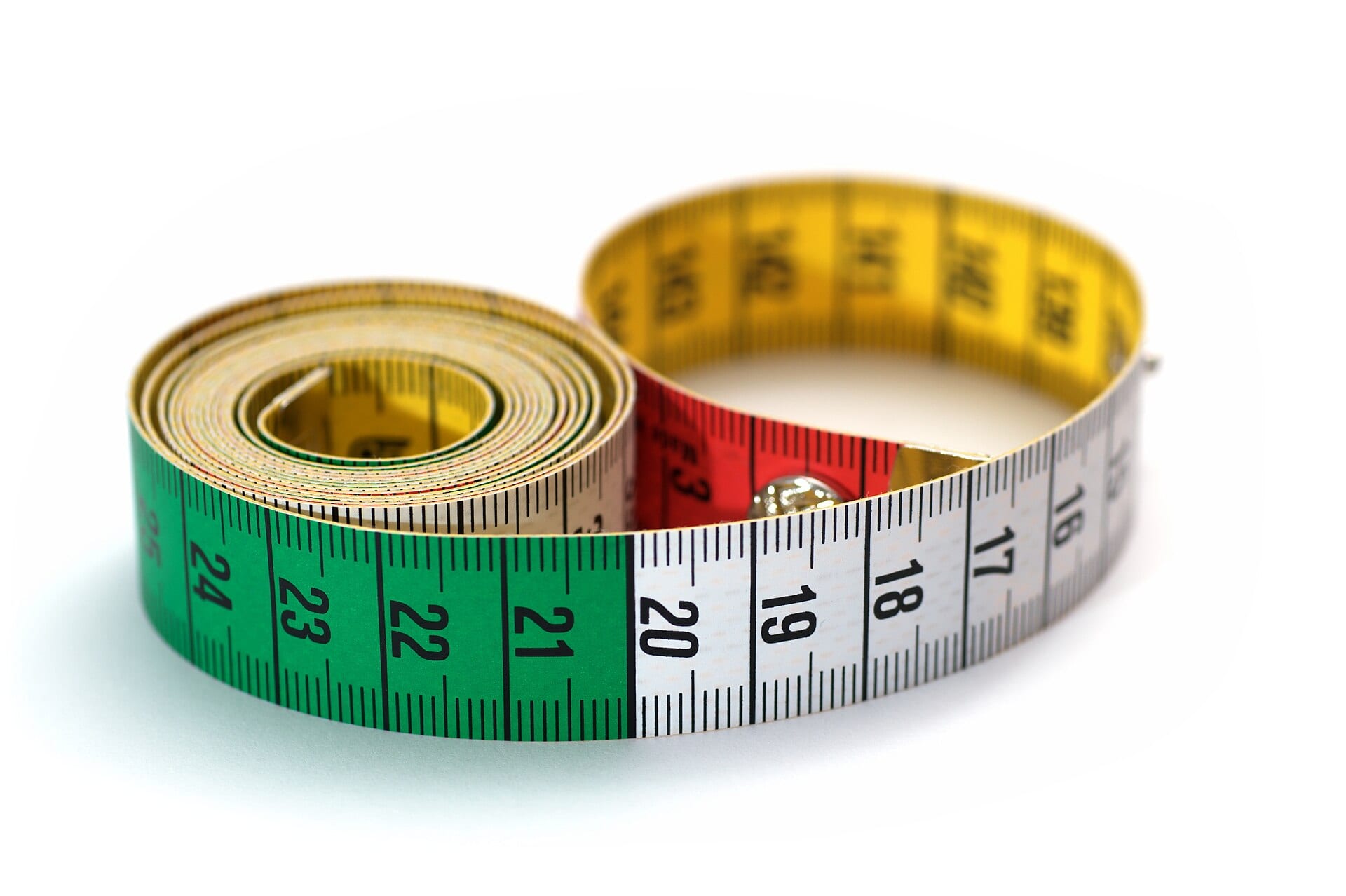
Staff measured height, weight and waist. The main outcome was the body roundness index, which combines waist and height into one number. Waist size, body mass index and waist-to-height ratio came second.
Of 3,411 people seen, 2,958 remained after health-related exclusions. The main analysis used the 913 with complete answers. Their average age was 46, and 57% were men. Two in three reported no resistance training at all.
What lined up
The models adjusted for age, sex, aerobic activity, sitting time, smoking and alcohol. Compared with people who did none, those who trained on two days a week had a waist about 2.5 cm smaller. Those who trained on three or more days had a waist about 3.5 cm smaller. The roundness index and waist-to-height ratio followed the same pattern.
One day a week did not differ clearly from none. Body mass index showed a weaker link, significant only for three or more days. When the team filled in missing answers for all 2,958 people, the pattern held.

Why the authors hold back
The authors are unusually direct about the limits. This was a single snapshot, so it can't show which came first. The question about lifting was new and not validated. People who lifted on three or more days also did more aerobic exercise, about 434 minutes a week against 243 for those who didn't lift. Of the 210 people who met the strength guideline, only 18 did not also meet the aerobic one.
In a smaller group of 324 people with extra details on diet, sleep, work, income and education, the link for three or more days was weaker and not significant. Adding those details shrank it further. Waist was measured once, at the narrowest point, not with imaging. The authors conclude that the link cannot be put down to resistance exercise alone, and that the study does not set an ideal number of days.
Where Soma fits
Soma is a general wellness product, not a medical device, and nothing here is advice on how often to train. What this study shows is how much a single tape measurement, taken once, has to carry. Soma Axon, the pod we are still building, is designed to read body composition, balance and grip in a few minutes, with the same light, cameras and stance every week. It shows each value with its margin of error, so a change over time is easier to trust. We wrote more about that in The same instrument, every week.
Sources, as of November 3, 2026: Shi, Wang and Fan, Frontiers in Public Health, published under CC BY 4.0. This post describes research and isn't medical advice.