Wearable blood oxygen readings held up at rest, and got patchy once people moved
A study in Frontiers in Digital Health compared four consumer pulse oximeters with clinical monitors in 49 adults at rest, on a treadmill and during recovery. Agreement depended on the device and the activity, and one watch gave almost no readings while walking.
Soma Labs3 min read
Many watches and rings now show a blood oxygen number. A study published on October 30 in Frontiers in Digital Health checked how well four consumer devices lined up with clinical monitors, and whether that changed with movement or skin tone.
How the devices were compared
The team, Miller, Whitney, Chavez and Seshadri, tested 49 adults in a lab at Lehigh University in Pennsylvania. Twenty-six were women. Ages ran from 18 to 72, with an average of 25.5.
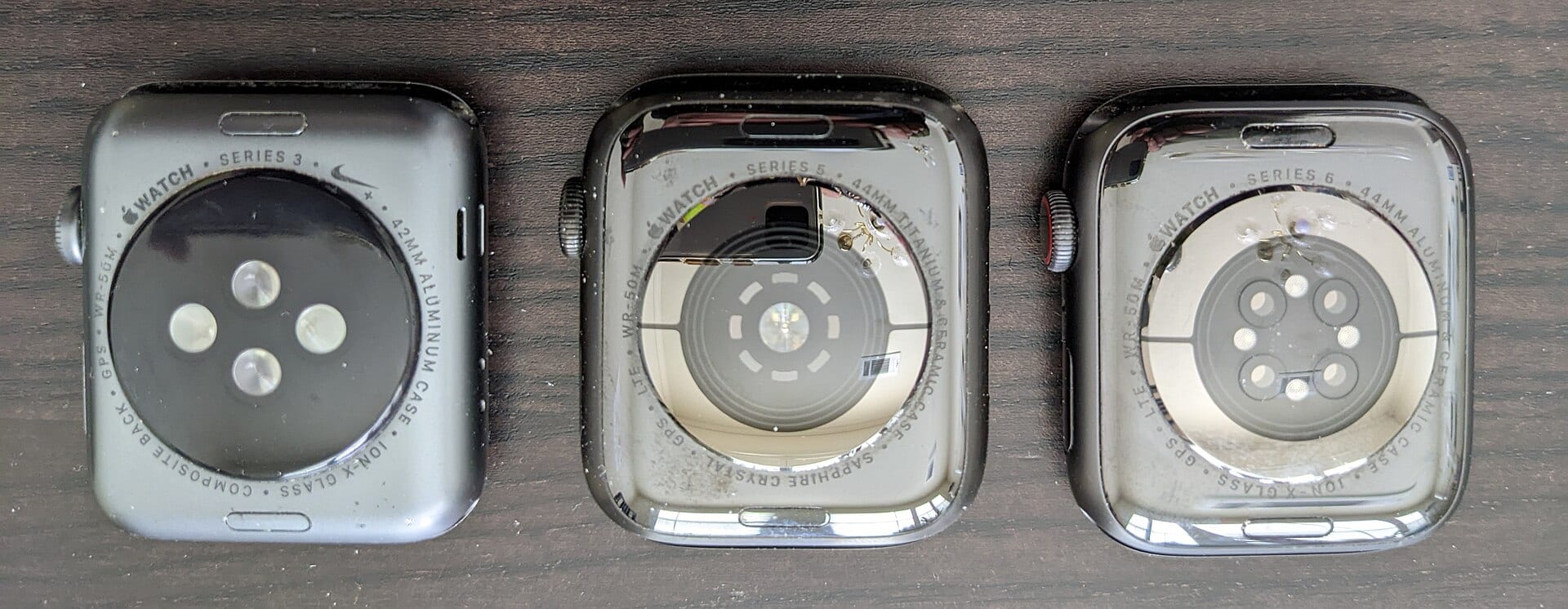
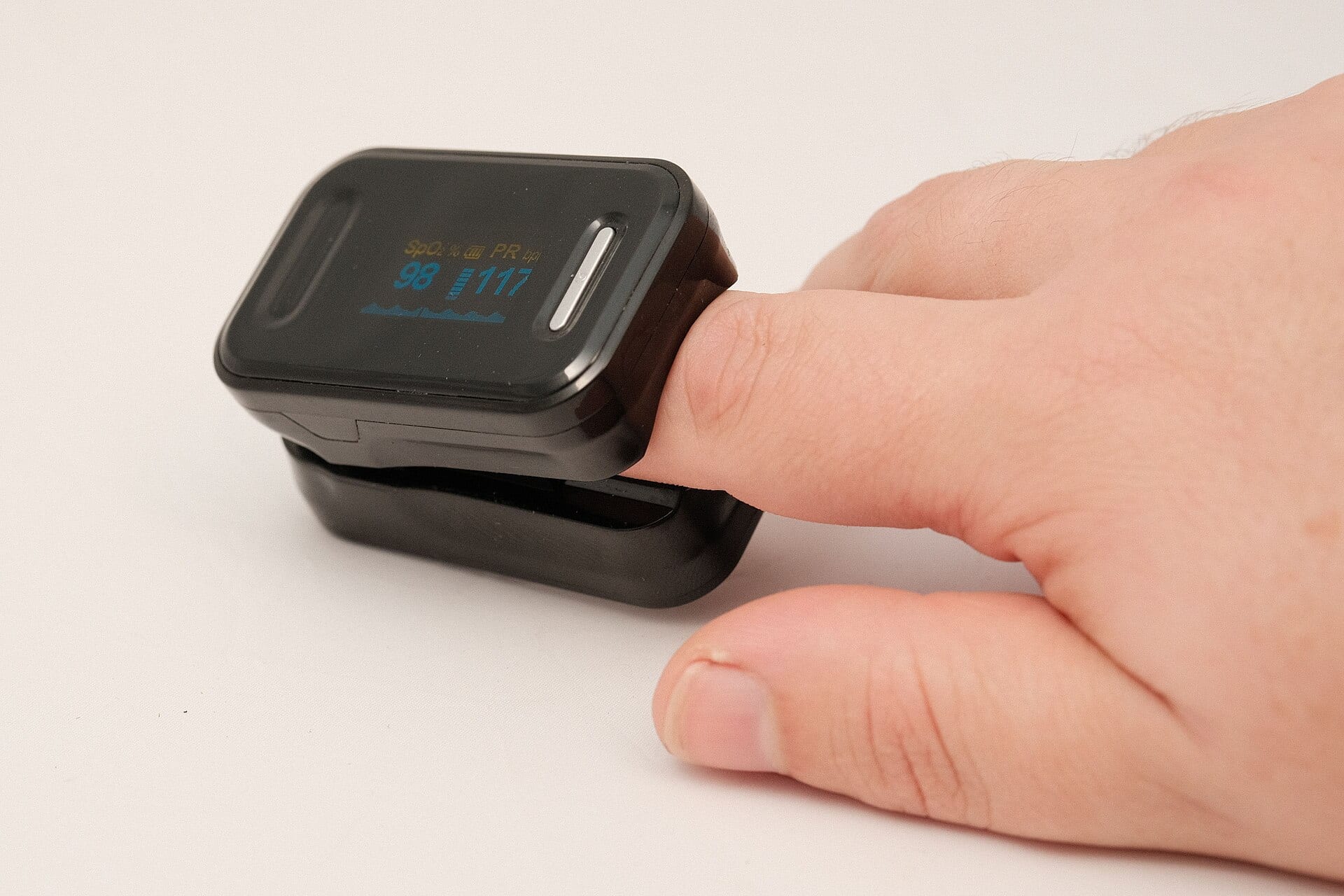
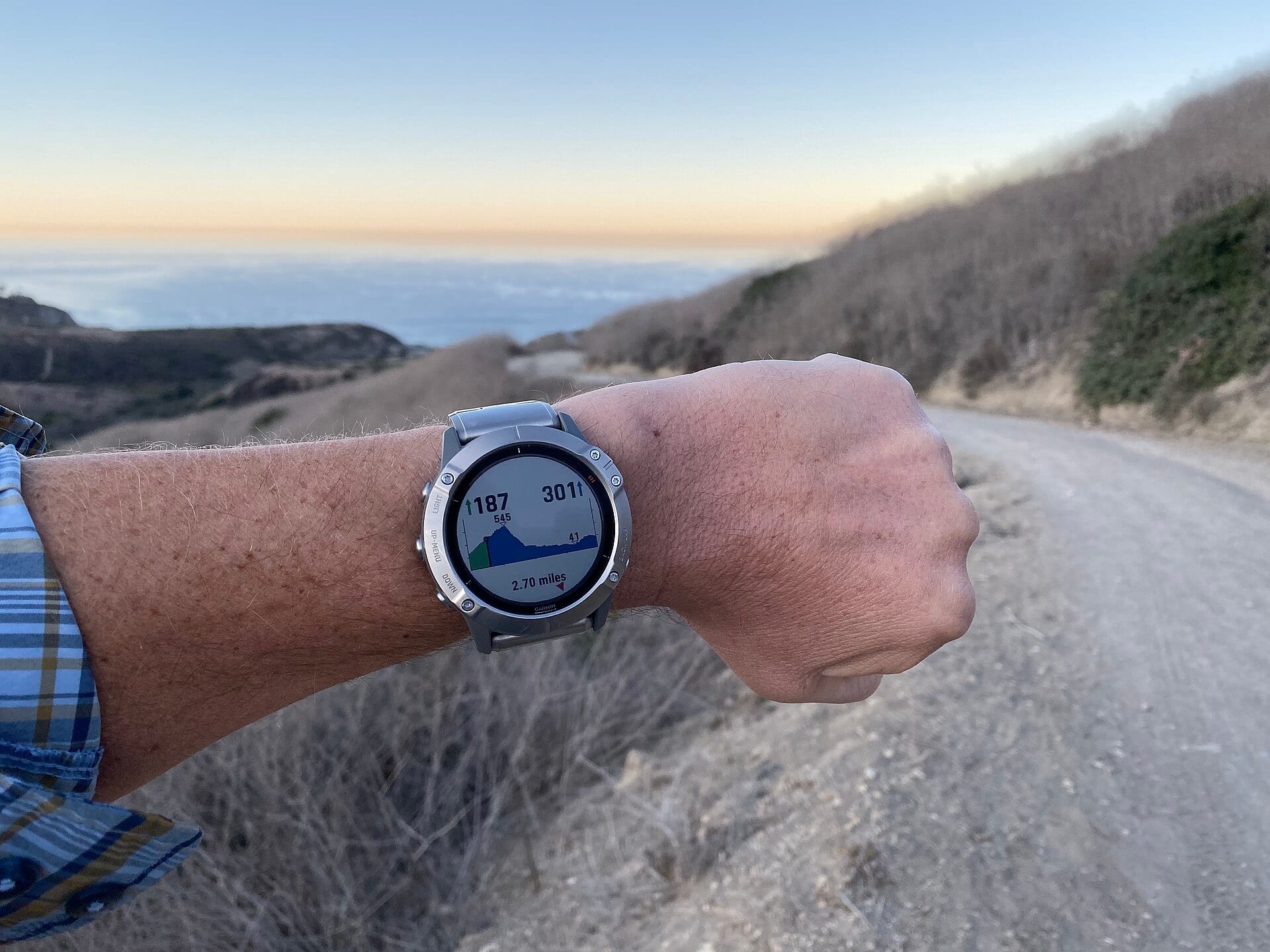
The four consumer devices were a Garmin Fenix 7, an Apple Watch Series 6, a Wellue O2Ring and a Zacurate fingertip oximeter. Two clinical monitors served as the comparison.
Each person sat for five minutes, walked on a treadmill at 2.5 miles per hour for five minutes, then sat again for five minutes of recovery. Readings were taken once a minute.
Skin tone was assessed two ways: the visual Fitzpatrick scale, and an objective measure of skin colour called the Individual Typology Angle.
What lined up, and what didn't
Agreement varied by device and by activity. The Garmin read slightly lower than its clinical comparison during recovery, by 0.72 percentage points on average. The Wellue read lower during treadmill walking, by 1.03 points, and its error shifted between walking and recovery.
The average size of the differences, in either direction, mostly sat between about 1.2 and 2.6 percentage points across devices and conditions.
Movement also affected whether a reading appeared at all. The Garmin produced a reading 82.4% of the time on the treadmill. The Apple Watch produced one only 0.4% of the time, because its on-demand reading requires the wearer to stay still.
Skin tone
After correcting for the number of comparisons, no device showed a significant link between skin pigmentation and its error, on either skin tone measure.
The authors are careful with that result. The groups at the lightest and darkest ends were small, with 12 and 11 people. A small study can miss a real difference, so "no significant link" here doesn't mean "no difference".
What it doesn't cover
The participants were mostly young and healthy, and their blood oxygen stayed in a narrow, normal range. The comparison was against clinical monitors, not against blood samples, so the study measures agreement between devices rather than which one is right. The order of testing was fixed, readings were recorded by hand, and the sensor and firmware versions weren't logged.
A lab treadmill is also not daily life. The authors call for objective skin tone measures, more diverse participants and test protocols that include movement.
Where Soma fits
The finding we keep coming back to is that a reading depends on the conditions it was taken in. The same device can line up well at rest and drift, or go quiet, once you move.
Soma is a general wellness product, not a medical device. It doesn't diagnose anything, and it doesn't measure blood oxygen. Soma Axon, the pod we are still building, uses the same light, cameras and stance every week, and shows each value with its margin of error, so a change over time is easier to trust. We wrote more about that in The same instrument, every week.
Sources, as of October 30, 2026: Miller, Whitney, Chavez and Seshadri, Frontiers in Digital Health, published under CC BY 4.0. This post describes research and isn't medical advice.