Stress or a bike ride? A wristband's signals can blur the two
A reanalysis of two open lab datasets found that cycling moved heart rate far more than a stressful game did, that heart rate variability shifted in opposite directions for the two, and that a simple skin model did no better than a coin flip.
Soma Labs3 min read
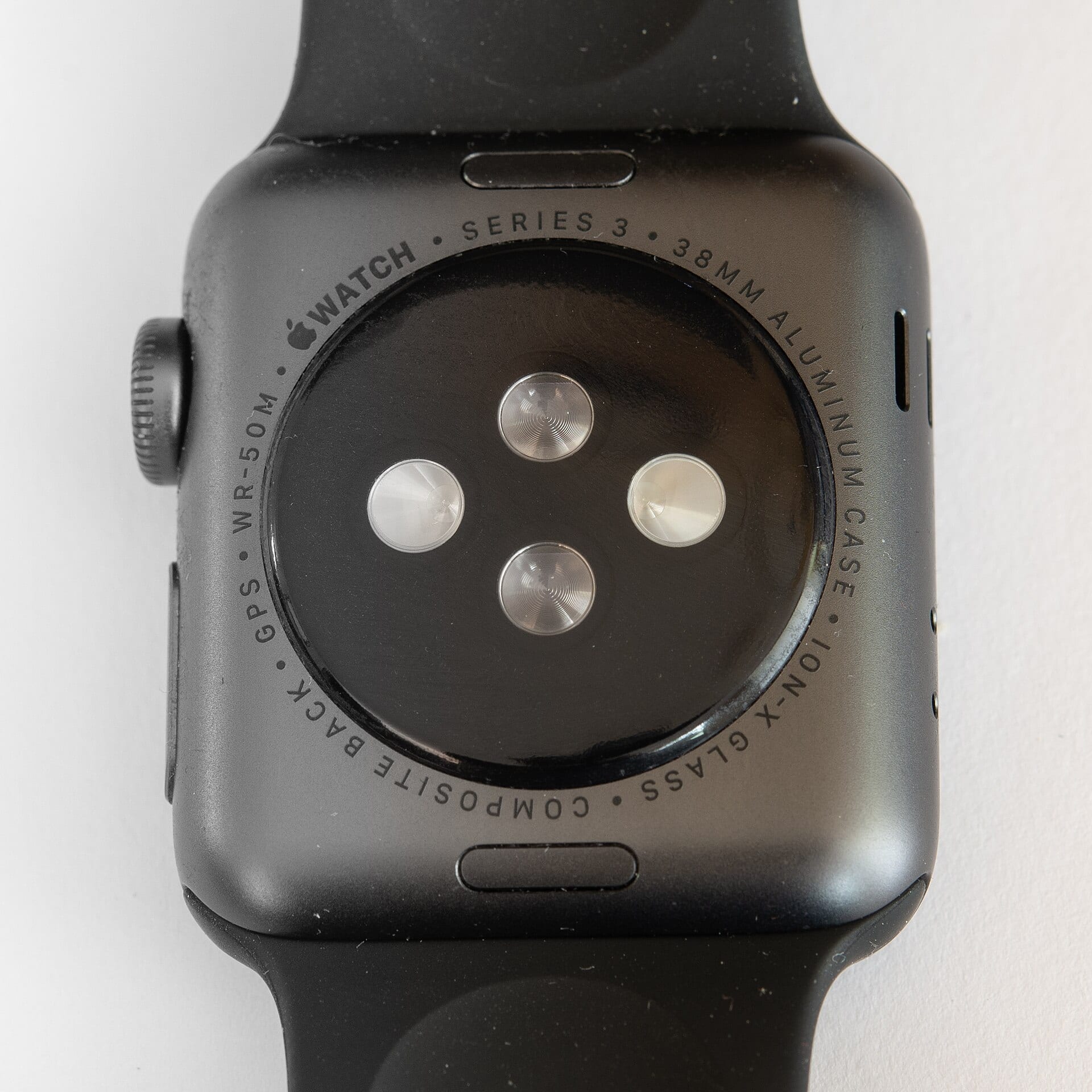
Many watches and rings now turn heart rate and heart rate variability into a "stress" number. Earlier today we wrote about dairy farmers wearing smartwatches through calving season, where that kind of score rose and fell with the work. A new paper looks at the same question from the lab side: when the body is moving, how much of a wrist signal is about mental pressure and how much is just effort?
The answer from two small open datasets: effort can easily drown out the rest, and context changes how the numbers read.
The setup
Qitong Chen, Fang Tang and Qin Zhou, from Central South University and the National University of Defense Technology in Changsha, reanalyzed two public datasets in which people wore an Empatica E4 research wristband.
The first, hosted on PhysioNet and recorded in Buenos Aires, covers 36 people in two protocols of 18. Each did a timed mental arithmetic task under pressure, the Trier Mental Challenge Test, and rated how stressed they felt before and after. In both protocols, ratings during the task were higher than at baseline.
The second, the Canadian PASS database, recruited 48 people, with 46 contributing usable tasks. It crossed two kinds of video game, one built to be stressful and one calm, with cycling at 0 or 24 km/h. That design lets researchers pull mental load and physical load apart.
What the reanalysis found
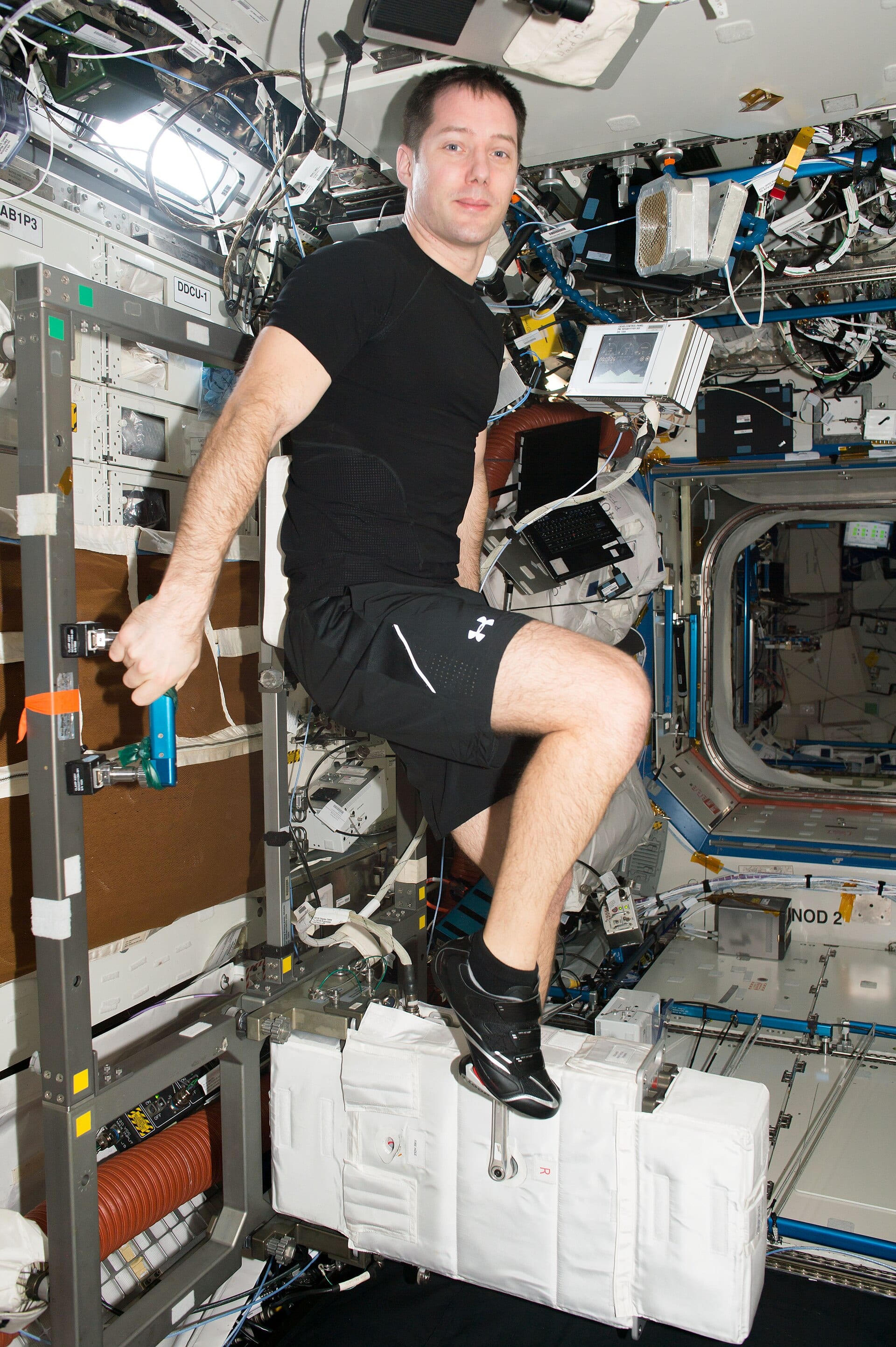
Effort moved heart rate, the game barely did. Cycling at 24 km/h raised average heart rate by 9.14 beats per minute compared with sitting still. The stressful game added 1.69 beats per minute, and the confidence interval for that crossed zero.
Heart rate variability went opposite ways. SDNN, a common measure of beat-to-beat variation, was 5.79 ms higher in the stressful game and 11.20 ms lower during cycling. Same metric, two pressures, two directions.
A simple skin model guessed at chance. The team built a fixed model from average skin conductance and skin temperature and tested it across the two datasets in both directions. It scored an AUROC of 0.474 one way and 0.462 the other, where 0.5 is a coin flip. Inside each dataset it did no better (0.508 and 0.513).
What to keep in mind
The samples are small and come from lab tasks, not daily life. A timed arithmetic test and a video game are stand-ins for real pressure. PASS was shared as already-processed features, so the authors couldn't rebuild every step of the signal work, and the two datasets used different protocols. In the PhysioNet set, one protocol was all men and the other almost all women, so differences between them stay descriptive.
The skin model was deliberately simple. The authors say it carried little information in these samples. That doesn't rule out better approaches, but it shows why claims about wrist stress need testing in more than one setting.
Where Soma fits
Soma doesn't measure stress. The Mind score in the Soma app, which is not yet available, reads heart rate variability, resting heart rate and breathing from Apple Health. This paper is a useful reminder of why those signals only make sense next to what you were doing: a lower variability reading after a ride says something different from the same reading at your desk. Reading a trend against your own activity and your own baseline beats reading any single number on its own.
Sources, as of November 8, 2026: Qitong Chen, Fang Tang and Qin Zhou, "Contextual discriminant validity in wearable stress research across activity and datasets," Frontiers in Psychology, doi 10.3389/fpsyg.2026.1953323, published under CC BY 4.0. Datasets: PhysioNet Wearable Device Dataset from Induced Stress and Structured Exercise Sessions, and the PASS database (Parent et al., 2020). This post describes research and isn't medical advice.